The Biodiversity Council is a registered Australian not-for-profit charity, recognised by the Australian Charities and Not-for-profits Commission (ACNC), meeting national standards for integrity, transparency and accountability.
Acknowledgements
The Biodiversity Council acknowledges the First Peoples of the lands and waters of Australia, and pays respect to their Elders, past, present and future and expresses gratitude for long and ongoing custodianship of Country.
The Biodiversity Council is an independent expert group founded by 11 Australian universities to promote evidence-based solutions to Australia’s biodiversity crisis. It receives funding from 11 university partners and The Ian Potter Foundation, The Ross Trust, Trawalla Foundation, The Rendere Trust, Isaacson Davis Foundation, Coniston Charitable Trust, Angela Whitbread and the Nature Impact Collective.
Newsletter subscriptions
*You can read ourprivacy notice to learn how we handle the personal information of people who subscribe to our newsletter.
Experts concerned over tree loss and legal process in Adelaide Park Lands development
22 September 2026
A new report has found the SA Government bypassed normal planning scrutiny and community input by creating special legislation to approve two North Adelaide parklands developments that will clear 1000 trees.
Top marine scientists urge Australia to expand marine sanctuaries and remove industrial threats
28 August 2026
More than 275 leading marine scientists are urging the Federal Government to strengthen Australia’s marine parks, warning that the waters around mainland Australia remain significantly under-protected.
Leading science and conservation groups say today’s announcement of $20 million to build wildlife resilience in the face of bird flu is grossly inadequate and are renewing calls for $200 million over 2 years.
$200 million rapid-response action plan to protect Australian wildlife at greatest risk from H5N1 bird flu
26 August 2026
Leading nature organisations have put forward a rapid-response action plan that will enable the Australian Government to rapidly deploy the $200-million investment that leading nature groups have been calling for since July.
Feeding wild birds can spread bird flu: Experts have four ways to reduce the risk
20 August 2026
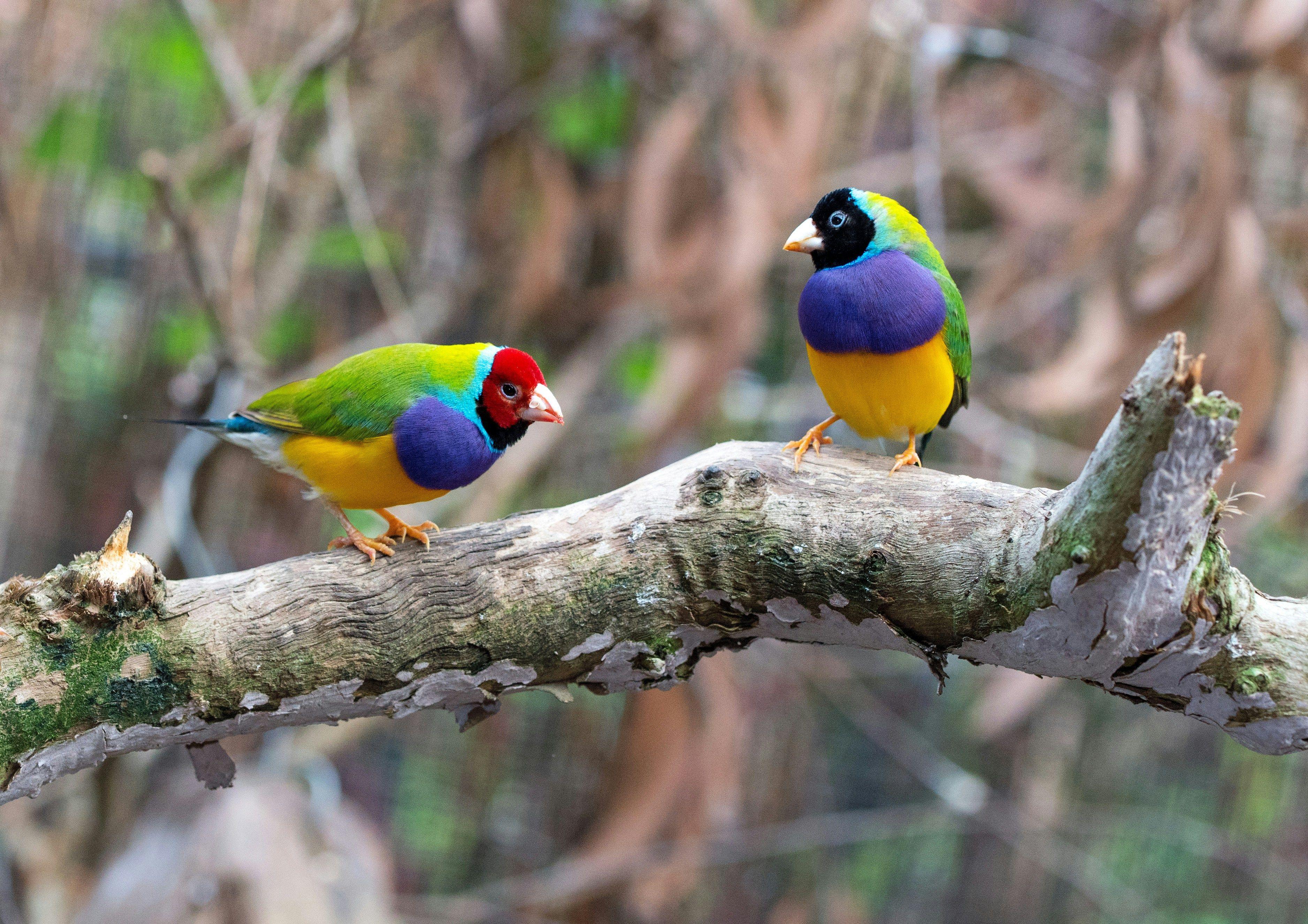
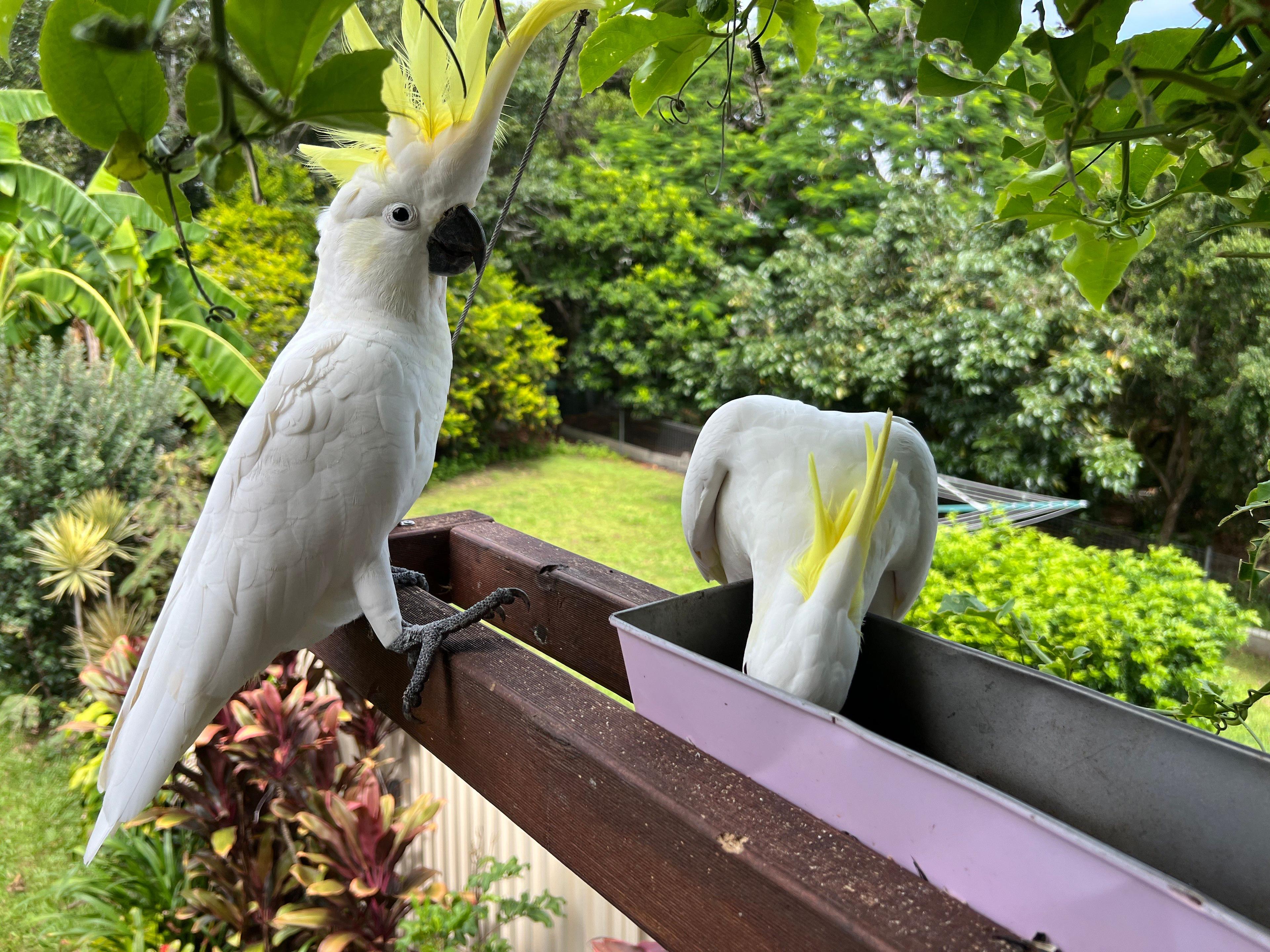
Many Australians feed wild birds, but as H5 bird flu spreads, the Biodiversity Council warns that backyard bird feeders can create hotspots for disease transmission. Here are four ways you can reduce your risk.