Register for our webinar: H5N1 Bird Flu and Australian Wildlife
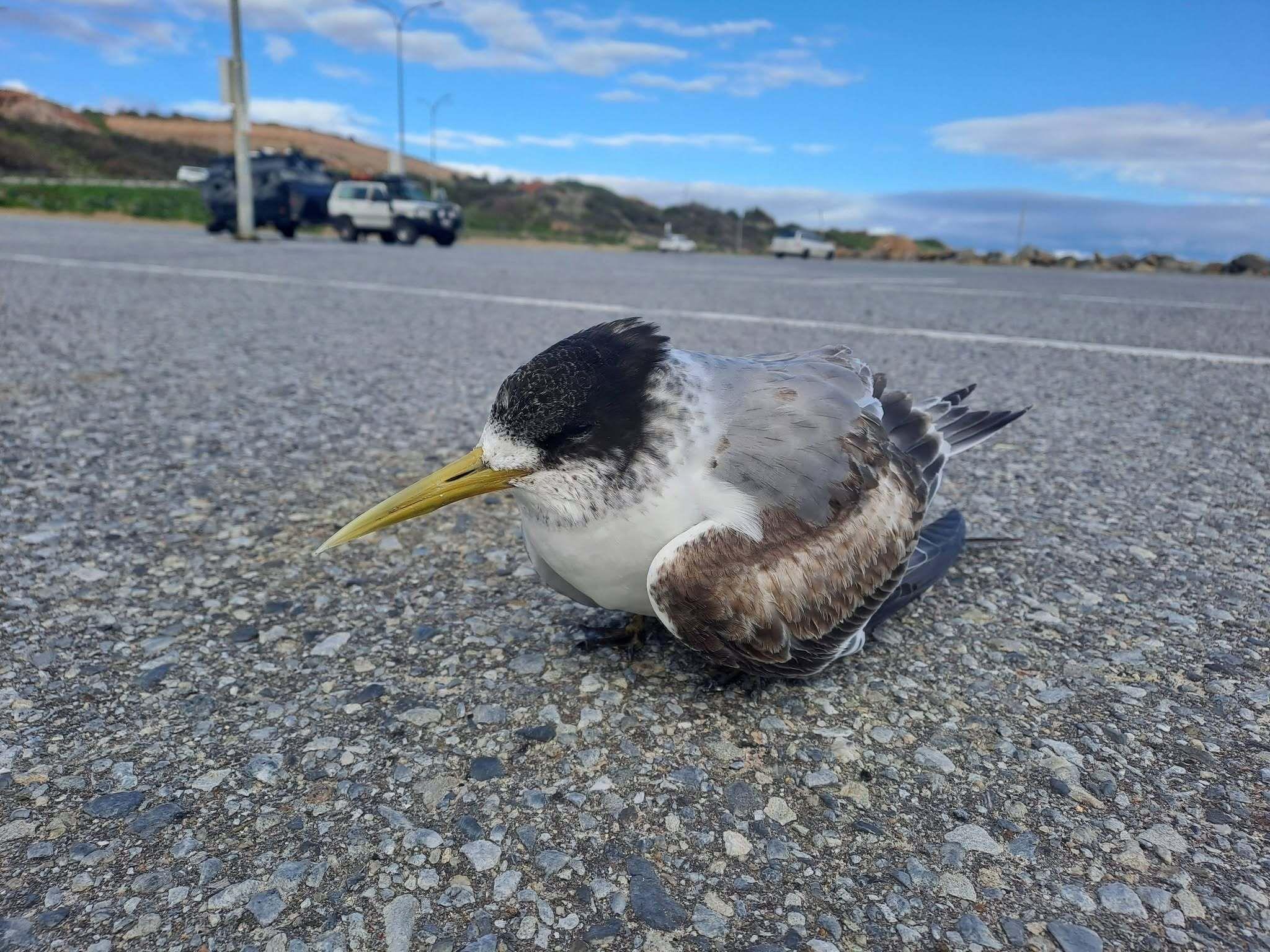
Join our webinar where experts unpack the potential impacts of bird flu on at-risk species and ecosystems, and identify urgent actions needed today to improve Australia's response.
The Biodiversity Council is a registered Australian not-for-profit charity, recognised by the Australian Charities and Not-for-profits Commission (ACNC), meeting national standards for integrity, transparency and accountability.
Acknowledgements
The Biodiversity Council acknowledges the First Peoples of the lands and waters of Australia, and pays respect to their Elders, past, present and future and expresses gratitude for long and ongoing custodianship of Country.
The Biodiversity Council is an independent expert group founded by 11 Australian universities to promote evidence-based solutions to Australia’s biodiversity crisis. It receives funding from 11 university partners and The Ian Potter Foundation, The Ross Trust, Trawalla Foundation, The Rendere Trust, Isaacson Davis Foundation, Coniston Charitable Trust and Angela Whitbread.
Newsletter subscriptions
*You can read ourprivacy notice to learn how we handle the personal information of people who subscribe to our newsletter.
Experts back urgent five-point plan for H5N1 bird flu
7 July 2026
The Biodiversity Council says much more needs to be done now to help protect wildlife, ecosystems, people and the economy from the deadly threat of H5N1 avian flu on the Australian mainland.
Scientists and young people send joint letter to PM about intergenerational failure of the budget on nature
2 June 2026
Deep frustration with the budget has led more than 400 scientists, young people, Indigenous leaders, and conservation experts to write collectively to the Prime Minister and Treasurer, pleading for adequate funding to stop rapid nature loss.
The damage caused to nature by Australia’s biggest 200 companies
27 May 2026
Our new report identifies the industries and individual companies with the most harmful impacts on nature through water use, greenhouse gas emissions, land clearing, and pollution.
Could entrepreneurial nature finance approaches fill the nature funding gap? Results from global review
21 May 2026
A new global review has found that nature finance and biodiversity markets alone are not a silver bullet for closing conservation funding gaps, with governments and philanthropy set to remain essential for protecting and restoring nature.
Biodiversity Council warns: handing environmental approval powers to states is premature and high-risk
30 April 2026
The Biodiversity Council has called on the federal government to scrap plans to hand national environmental approval powers to states and territories until strong National Environmental Standards (NES) have been developed.
Robodebt for the environment - Rushing AI into EPBC Act assessments could repeat past policy failures
7 April 2026
The Minerals Council of Australia has called on the Australian Government to invest $13 million to embed AI tools into federal environmental approval processes, which may drive endangered species closer to extinction.
‘Optimistic spin’ hides worsening nature crisis in government report to UN, experts say
16 March 2026
The Biodiversity Council says the Australian Government is using spin to hide the nature loss crisis and avoid doing enough work to address it, after assessing their first report to the UN under the Kunming-Montreal Global Biodiversity Framework.
Federal Govt rewards years of illegal jarrah forest clearing by Alcoa with “national interest” shield
19 February 2026
We have raised concern over the Federal Government’s decision to grant a national interest exemption to Alcoa, allowing the American mining giant to continue operations despite years of unauthorised clearing and failed post-mining regeneration.
The Australian Government’s $26 billion per year nature-harming problem revealed by study
17 February 2026
Groundbreaking research has uncovered that the Australian Government is providing $26 billion per year in financial support to activities that harm the nation's unique natural environment, known as biodiversity-harmful subsidies.