It’s surprisingly cheap to prevent extinctions in the sea – first estimates of marine conservation funding needs
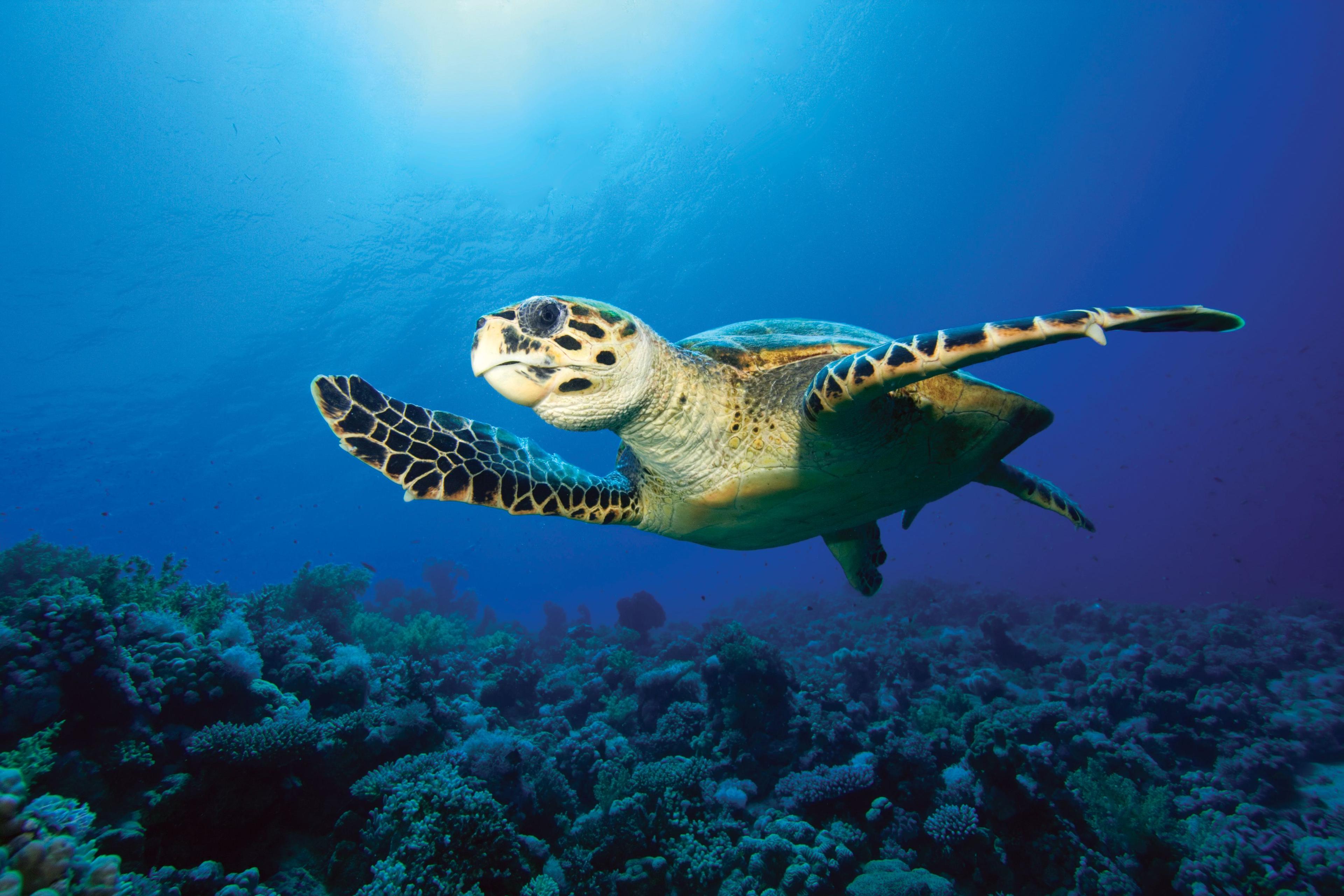
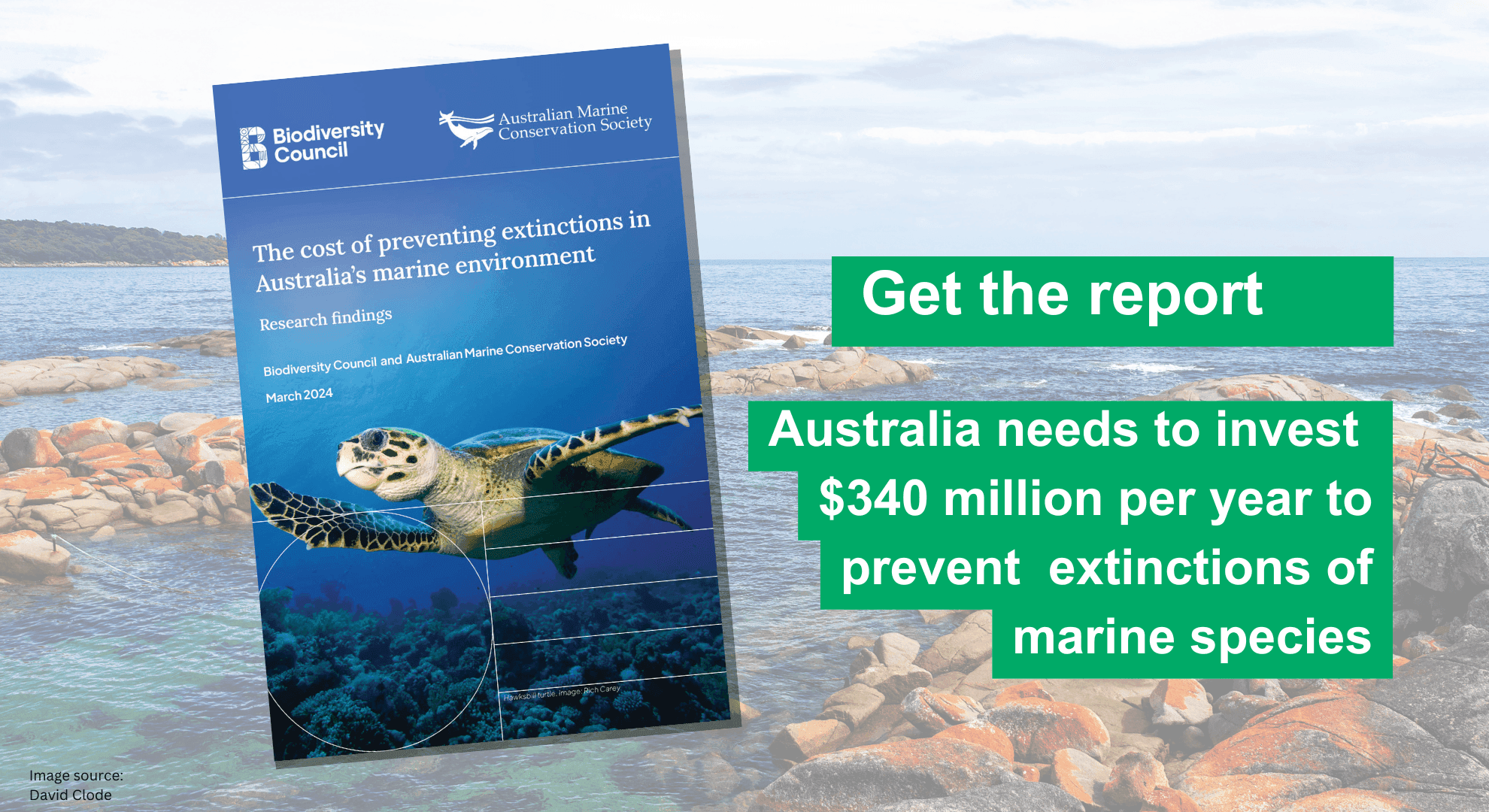
Hawksbill turtle. Image source: richcarey iStock
Media Release
7 April 2025
An annual investment of $340 million is needed to prevent the extinctions of Australia’s 95 threatened marine species, which include dolphins, sea lions, sea turtles, whale sharks, handfishes and a wide variety of seabirds and shorebirds.
That’s a key finding of new research by The University of Melbourne undertaken for the Biodiversity Council and the Australian Marine Conservation Society (AMCS) and just released in a major new report.
Successive Australian Governments have committed to preventing extinctions and recovering threatened species, but the cost of this work for marine species had never been estimated until this study.
As there have been too few successful threatened species recovery programs in Australia to estimate the cost using Australian data, the research drew data from the United States.
The United States has many of the same marine turtle species on its Endangered Species Act 1973 list and also has a comparable array of marine mammals, sea and shorebirds, and fish from different environments.
The United States also has a history of implementing successful recovery programs for species protected under the Endangered Species Act.
A key element of the United States’ success has been that their act mandates funding for threatened species recovery once species are listed.
Biodiversity Council Lead Councillor Professor Brendan Wintle from The University of Melbourne, said, “Many Australian marine species are declining, and without targeted investment, many will vanish.
“We’ve seen the US Endangered Species Act (ESA) successfully recover over 100 species through mandatory recovery funding and transparent public reporting - adopting similar policies in Australia could significantly improve conservation outcomes and prevent further marine species extinctions.
“Our research found that Australia needs to spend $340 million per year to prevent marine species from becoming extinct.
“That’s just $12 per Australian per year to safeguard our iconic marine species, including amazing things like dolphins, sea lions, sea turtles, whale sharks and seabirds.
“Healthy marine ecosystems are not just part of our identity; they are important to our economy. Marine environments and the ocean industries that they underpin support 462,000 jobs in Australia and contribute $150 billion to the Australian economy each year.
“They provide critical benefits, including food security, coastal protection, and carbon storage but current government funding is falling short of what’s required to protect endangered species and sustain these ecosystems.”
The Biodiversity Council is an independent expert group founded by 11 Australian universities to promote evidence-based solutions to Australia’s biodiversity crisis.