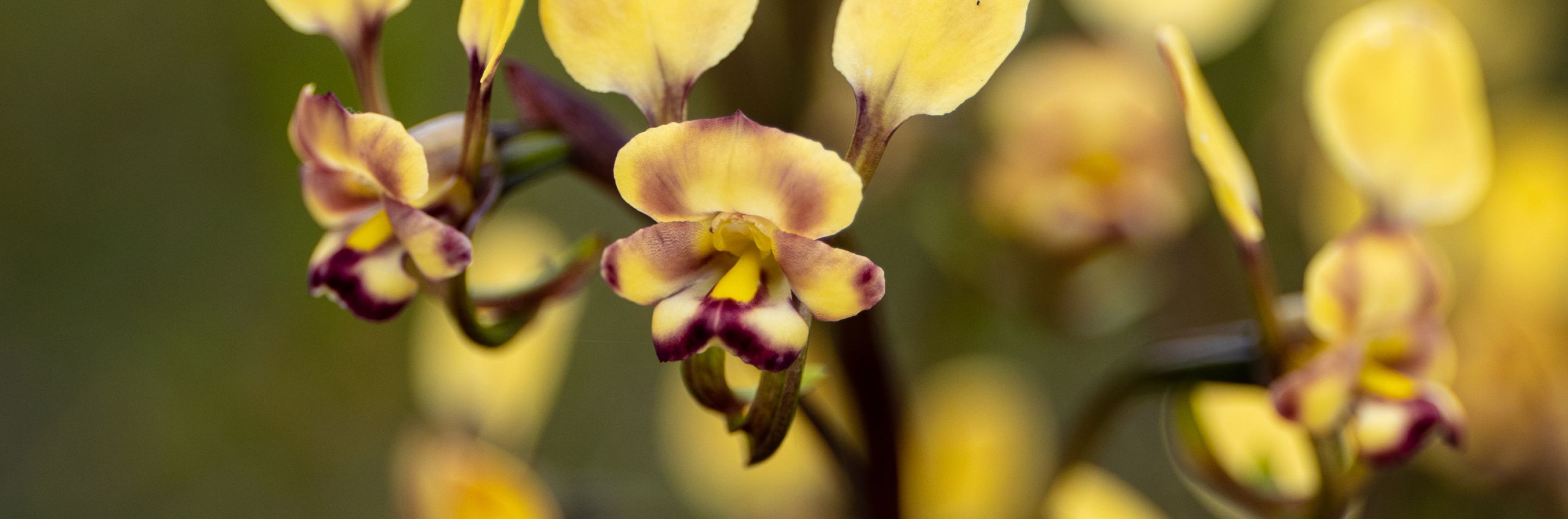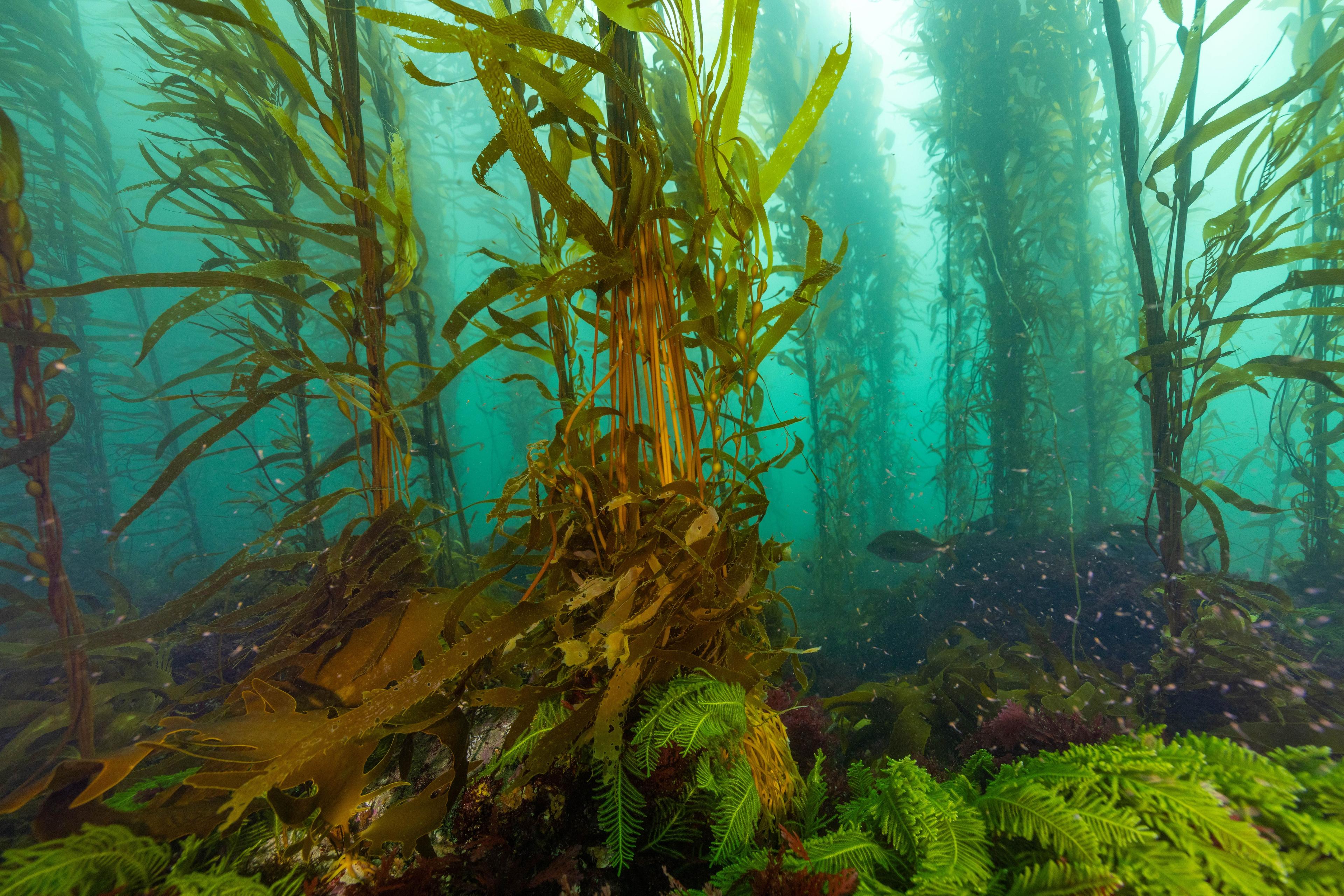
Giant kelp at Port Davey, Tasmania. Image: Stefan Andrew courtesey Great Southern Reef Foundation
2025 Impacts Report
Report
19 December 2025

CEO's message
I’m proud to share a snapshot of the extraordinary impact we achieved together in 2025, strengthening our position as Australia’s trusted, independent expert voice for biodiversity.
This year, we made 20 submissions to federal and state environmental policy and planning processes.Our evidence and recommendations influenced outcomes across biodiversity legislation, having an instrumental role in hardwiring critical safeguards into the new EPBC Act, such as the register of protected matters. We also shaped renewable energy planning, invasive species governance, forestry standards, and major project decisions.
We helped shape South Australia’s statewide cat strategy and improvements in national environmental law reforms and other policies across the country. Collectively, these impacts will deliver genuine, on-the-ground benefits for biodiversity, from strengthened legal protections to improved environmental decision-making.
We supported the development of the Indigenous-led South Australian Aboriginal Land and Sea Management Alliance (SAALSMA), which has now secured initial funding and will amplify Aboriginal voices in environmental decision-making. We also championed Indigenous-led biodiversity research.
We launched Australia’s first Nature Media Centre, in close collaboration with the Australian Land Conservation Alliance and the Pew Charitable Trusts, to create new champions for biodiversity and to enable more stories about nature to be told in more places.
We launched 15 curriculum-aligned “Biodiversity in Action” lessons with Cool.org. Our media and social media reached 21 million people, helping inform them on key biodiversity issues and how to take practical actions for nature in their daily lives.
We rapidly mobilised expertise to lead during moments of national urgency, including South Australia’s harmful algal bloom, where we played a key role in helping the community to understand the issues and responses and strongly influenced the Senate Inquiry’s findings and government action.
We prompted new government investment for threatened freshwater fishes, highlighted the urgent need to secure the only known wild population of Melbourne’s critically endangered Grassland Earless Dragon, and released new research with the Australian Marine Conservation Society on the investments needed to prevent marine extinctions.
The Council also took a critically important step, becoming a stand-alone registered charity with DGR status, following three years of incubation within the University of Melbourne. The Council now stands as an independent expert voice for nature, working in close partnership with the University sector and other experts and organisations in the conservation field.
Thank you to our out-going advisory board members John Thwaites AM, Prof Bradley Moggridge, Jenny Gray and Cullen Gunn. And thank you to the University of Melbourne for supporting us through our establishment.
Thank you to our supporters, board, partners, and the extraordinary experts across our universities and Indigenous networks. Together, we will continue to elevate evidence, challenge misinformation, and champion the protection of nature and Country with determination and optimism.
Please download the report to learn more about the incredible impacts we have had this year.
Yours for nature,
James Trezise