Experts concerned over tree loss and legal process in Adelaide Park Lands development
Media Release
22 September 2026
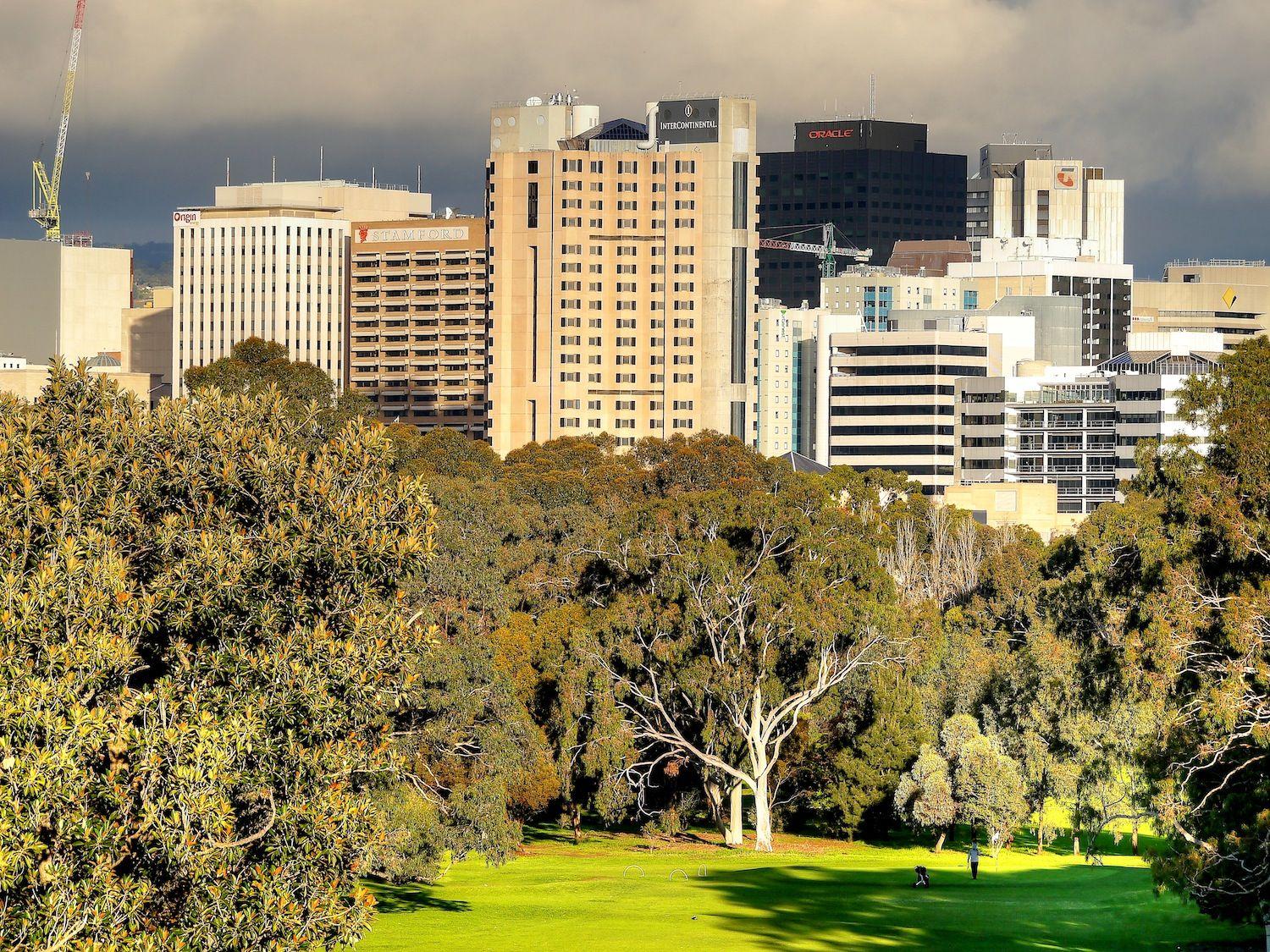
The Biodiversity Council has raised concerns about the loss of hundreds of mature trees from Adelaide’s nationally heritage-listed Park Lands, and the South Australian Government's process for approving major developments within them.
Almost 1,000 trees are being removed to redevelop the North Adelaide public golf course for LIV Golf Adelaide and to build a new MotoGP circuit.
A new law and policy analysis by Adelaide University experts says the problem goes beyond the loss of trees. The report finds the South Australian Government created special legislation that bypassed normal planning processes and protections, including opportunities for community scrutiny and participation.
Lead author of the report, Adelaide University law expert Associate Professor Alex Wawryk, said the North Adelaide Public Golf Course Act 2025 created an extraordinary approval process.
“Normally, a development of this kind would be assessed against planning criteria, with opportunities for the community to scrutinise the proposal and have input,” Associate Professor Wawryk said.
“Instead, the government passed special legislation that effectively guaranteed approval for its own development, without requiring it to be assessed against the usual planning criteria.
“In effect, the government wrote its own rules for its own development, while removing many of the checks, balances and opportunities for public participation that other developers need to abide by.”
Associate Professor Wawryk said this raised concerns extending well beyond the golf course.
“The precedent is troubling. Governments should be held to high standards when developing public land, not place themselves above processes that other developments are expected to follow.
“The Park Lands belong to the community and their National Heritage values explicitly recognise Adelaide’s exceptional history of community involvement in protecting them. Excluding the community from decisions about their future is particularly concerning.”
The report also raises concerns about the availability of environmental assessments underpinning government claims about the project, its consideration of Aboriginal cultural heritage and the potential impact on the National Heritage values of the Park Lands.
The Biodiversity Council is calling for the remaining mature trees to be protected wherever possible and for decisions affecting the Adelaide Park Lands to be subject to transparent environmental assessment, clear planning criteria and meaningful community participation.
Urban greening and sustainable design expert Professor Veronica Soebarto from Adelaide University said mature trees were enormously valuable pieces of urban infrastructure.
“Large mature trees provide shade and cooling, habitat for wildlife, store carbon and make cities healthier and more liveable places for people,” Professor Soebarto said.
“Adelaide is already facing a hotter future. We should be doing everything we can to retain its large established trees, particularly in nationally significant green spaces like the Adelaide Park Lands.”
“With hundreds of trees being lost for the golf course and hundreds more now slated for removal for the MotoGP circuit, we need to look at the cumulative loss of mature trees across the Park Lands, not consider each development in isolation.
“Planting new trees is important, but saplings are not an ecological replacement for large mature trees. It can take many decades to replace the large hollows, habitat, canopy, and cooling and mental health benefits being lost today.”
The full report, North Adelaide Golf Course Redevelopment: Law and Policy Brief, is available from the Biodiversity Council.