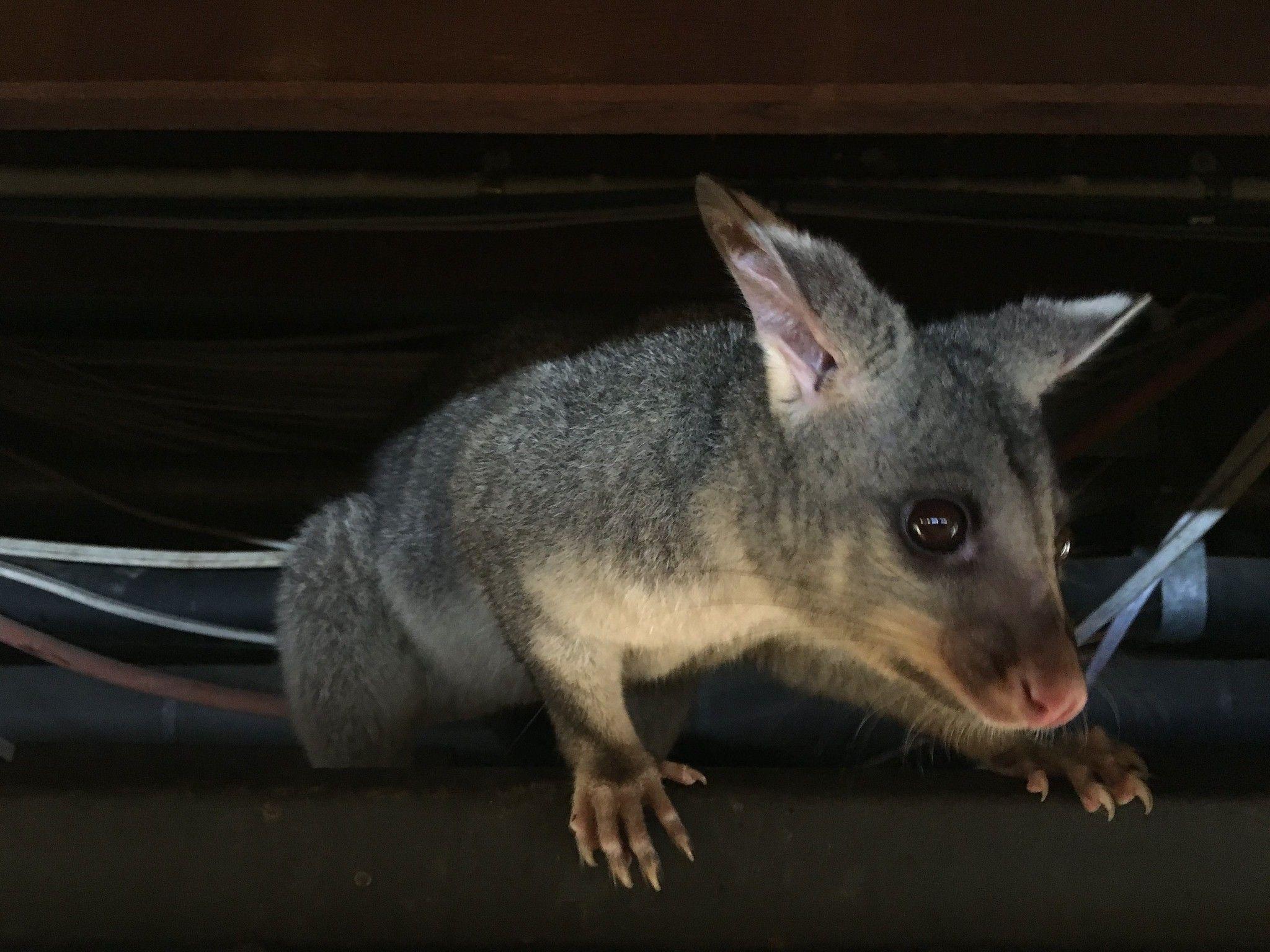
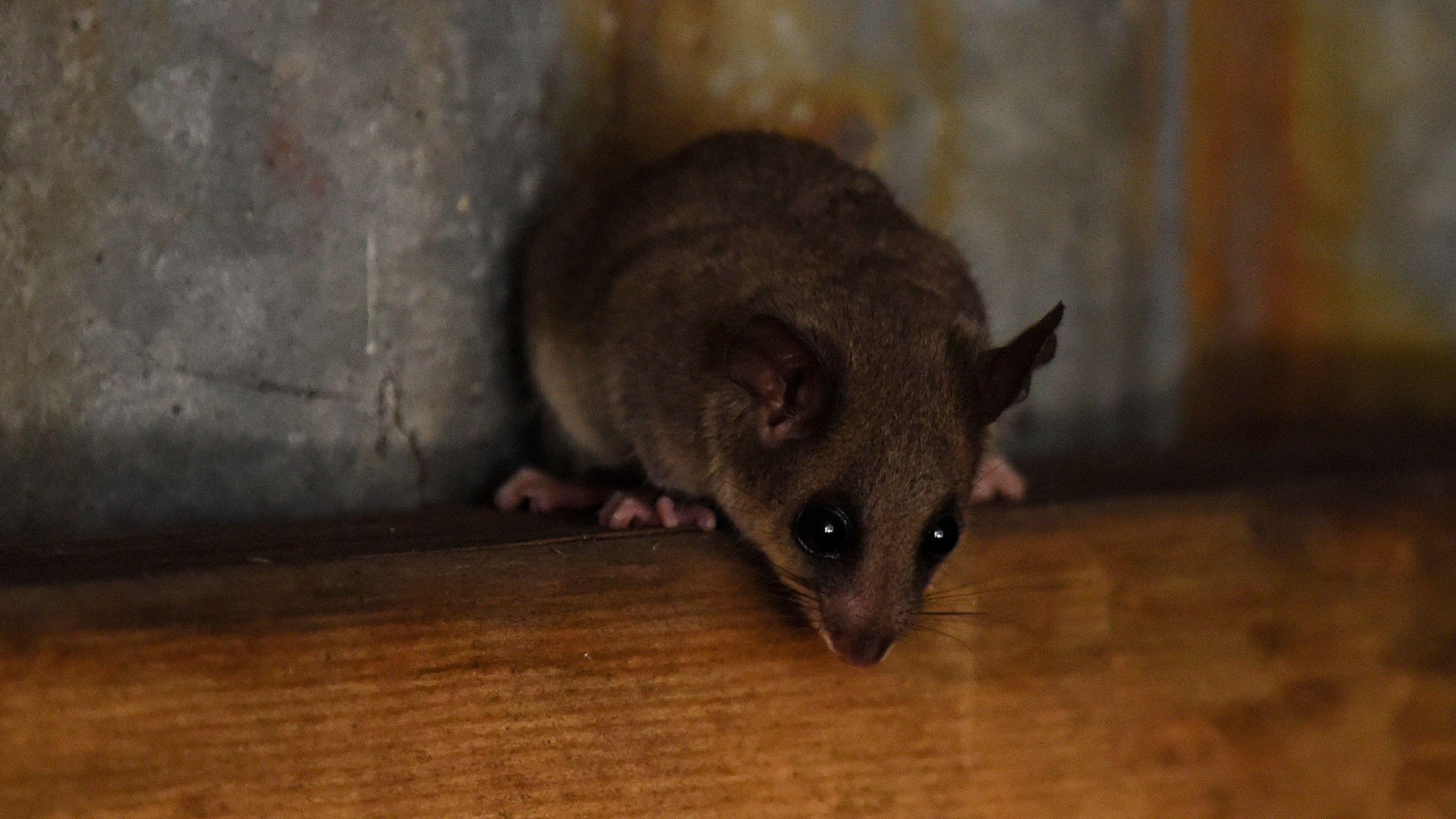
The top 10 native animals living in our homes, study
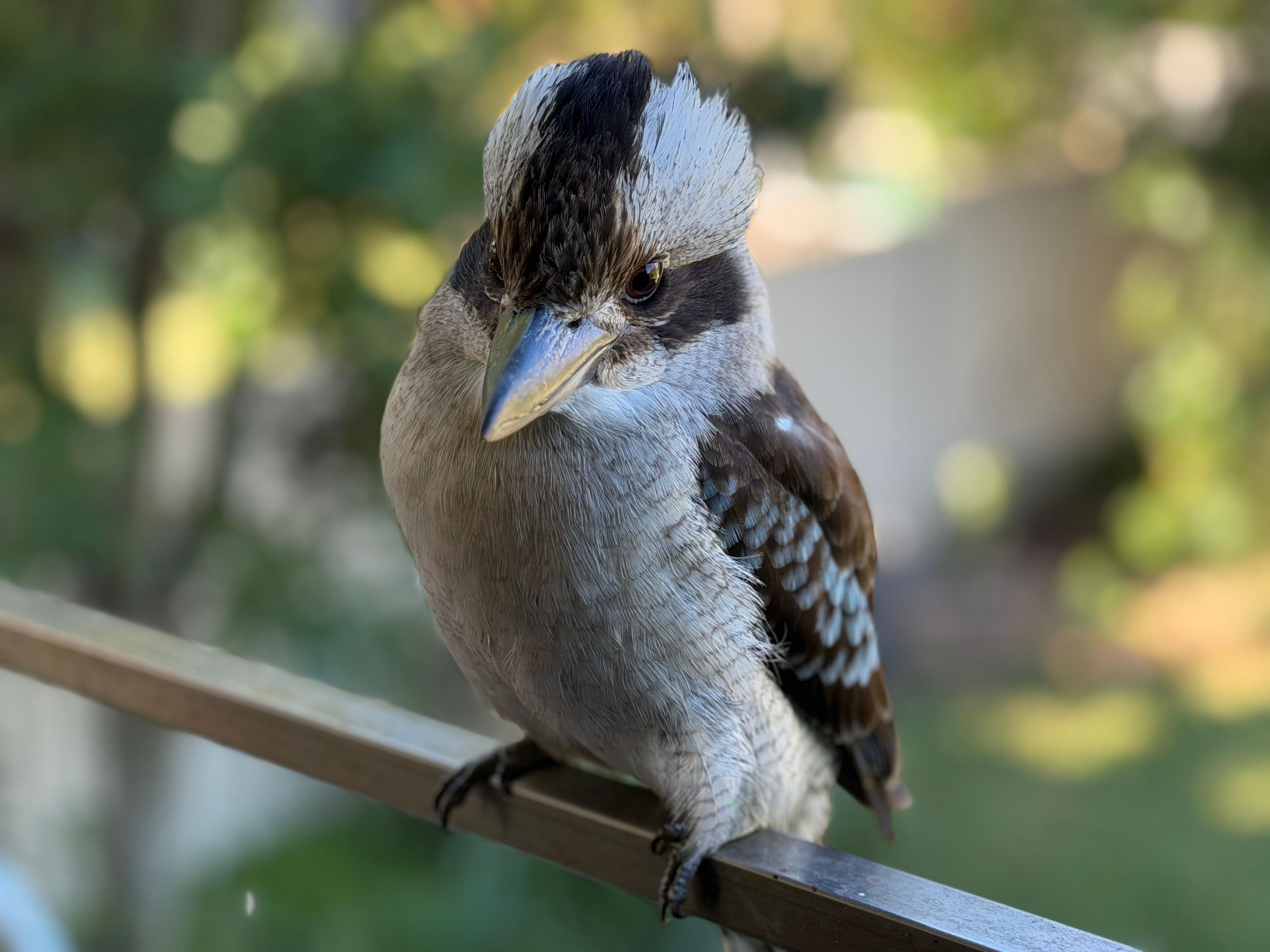
Laughing kookaburras were recorded living in roofs, garages, walls and on windows. Image: Jaana Dielenberg
New research has revealed what wildlife is living in our homes, what they are doing and where.
The study published in People and Nature was a collaboration between the University of Melbourne and Wildlife Victoria, a statewide wildlife rescue service that receives reports and queries about native animals.
Drawing on 76,663 Wildlife Victoria records collected over a decade, the study identified 2,399 verified records of 36 native species using 28 different parts of buildings, and logged their activities.
The top 10 native animals recorded using our houses in the study, the top 10 locations animals were found and how many different types of species were found in each location.
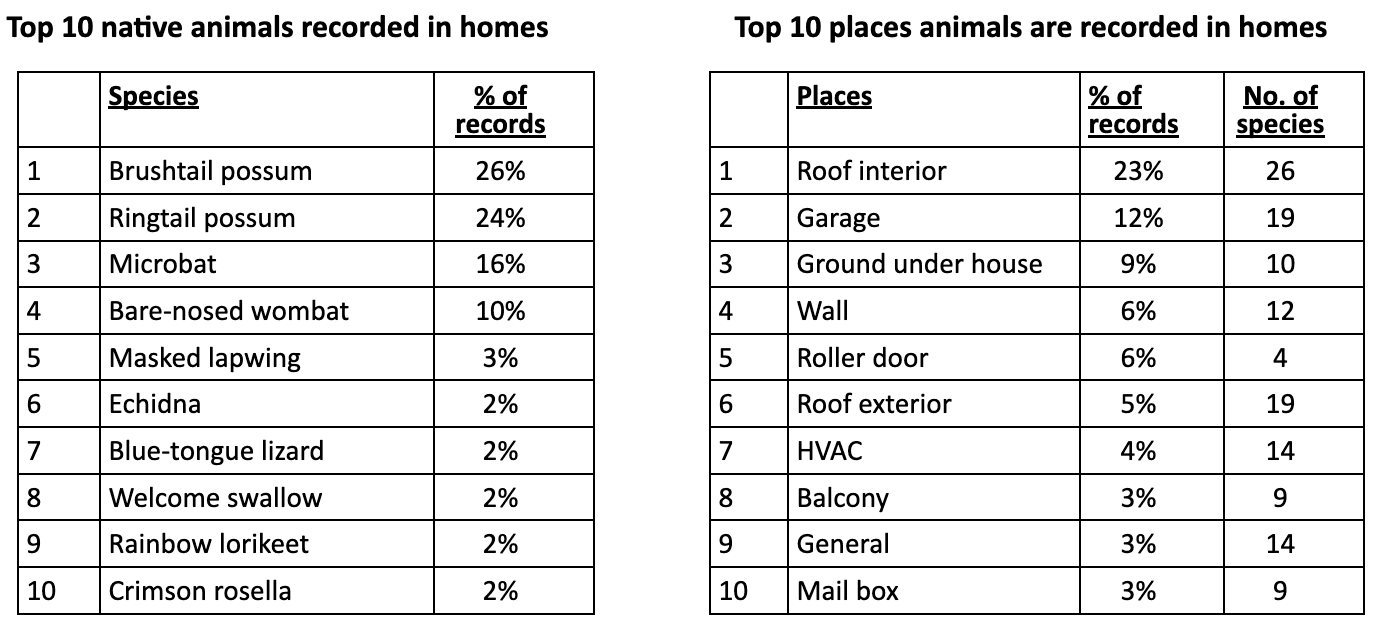
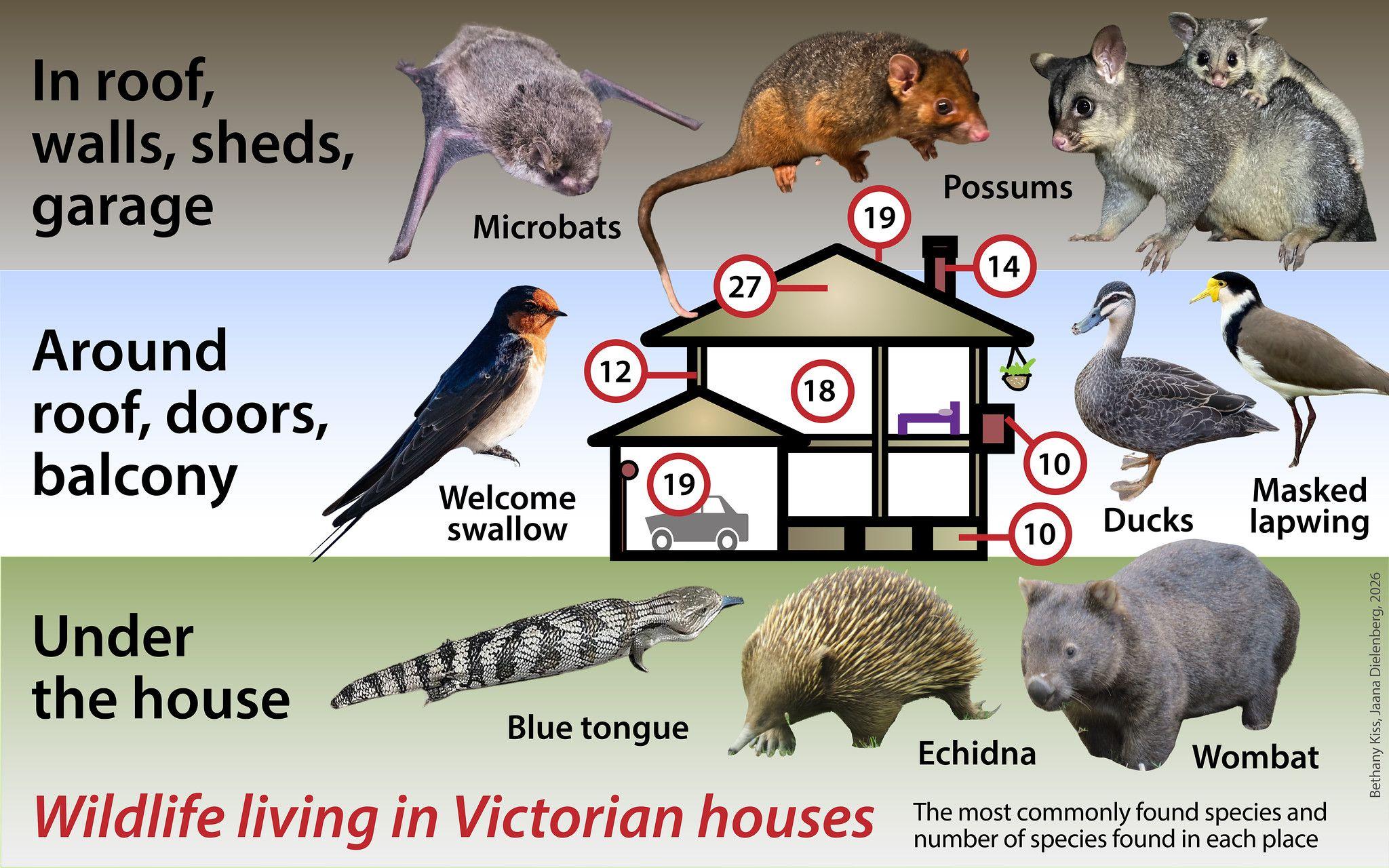
Lead researcher Bethany Kiss, an architect and PhD Candidate at The University of Melbourne, said the findings show buildings are increasingly acting as substitute habitat as cities expand and natural hollows disappear.
“We found native wildlife using almost every part of the house imaginable, from possums sleeping in roofs and wombats under houses to microbats in wall cavities and ducks nesting on balconies,” Ms Kiss said.
“Most animals using our houses were mammals, and they were mainly using them for sleeping. Birds showed the greatest diversity, with 22 species recorded, and were primarily using houses for nesting.
“People often think these are unusual incidents, but they’re actually very common. Wildlife is adapting to our cities and using our homes because many of the natural places they once relied on for shelter are disappearing.”
Ms Kiss said the patterns observed closely reflected animals’ natural ecology.
“Tree-dwelling animals are seeking elevated cavities that mimic tree hollows, while ground-dwelling species are sheltering underneath buildings in spaces that resemble burrows or rocky refuges,” she said.
“What’s striking is that we’re providing habitat for wildlife, mostly by accident.
“We could do it intentionally by creating features that support co-existence, like swallow shelves or possum boxes, and that also minimise potential conflicts, like being woken by possums fighting over your ceiling at 3am.
“Intentional design for wildlife is already occurring in the UK, with ‘swift nesting bricks’ mandated in new builds.
“New homes typically have less gaps, nooks and crannies than older homes, making them less useful to wildlife as habitat, so it is becoming increasingly important that we design for wildlife intentionally.
“Small design changes can make a huge difference for wildlife that is struggling to find habitat in urban areas.”
Lead researcher Bethany Kiss, an architect and PhD Candidate at The University of Melbourne discusses the findings.
Study co-author and Biodiversity Council Lead Councillor and urban ecologist Professor Sarah Bekessy from The University of Melbourne said, “This research highlights the important role cities can play in conservation.
“We often think biodiversity conservation only happens in national parks or remote bushland, but our suburbs and cities are also critical habitat for many species,” Professor Bekessy said.
“As Australia’s cities continue to grow, we need to think much more carefully about how we design urban landscapes so people and wildlife can thrive together.
“Research also consistently shows that people benefit from everyday interactions with biodiversity.
“Wildlife in our neighbourhoods can improve our mental wellbeing, strengthen people’s connection with nature and make cities healthier, more resilient places to live,” she said.