Cats and foxes did it. Leading Scientists refute “Invasive Species Denialism,” reaffirming introduced predators as a major cause of mammal extinctions
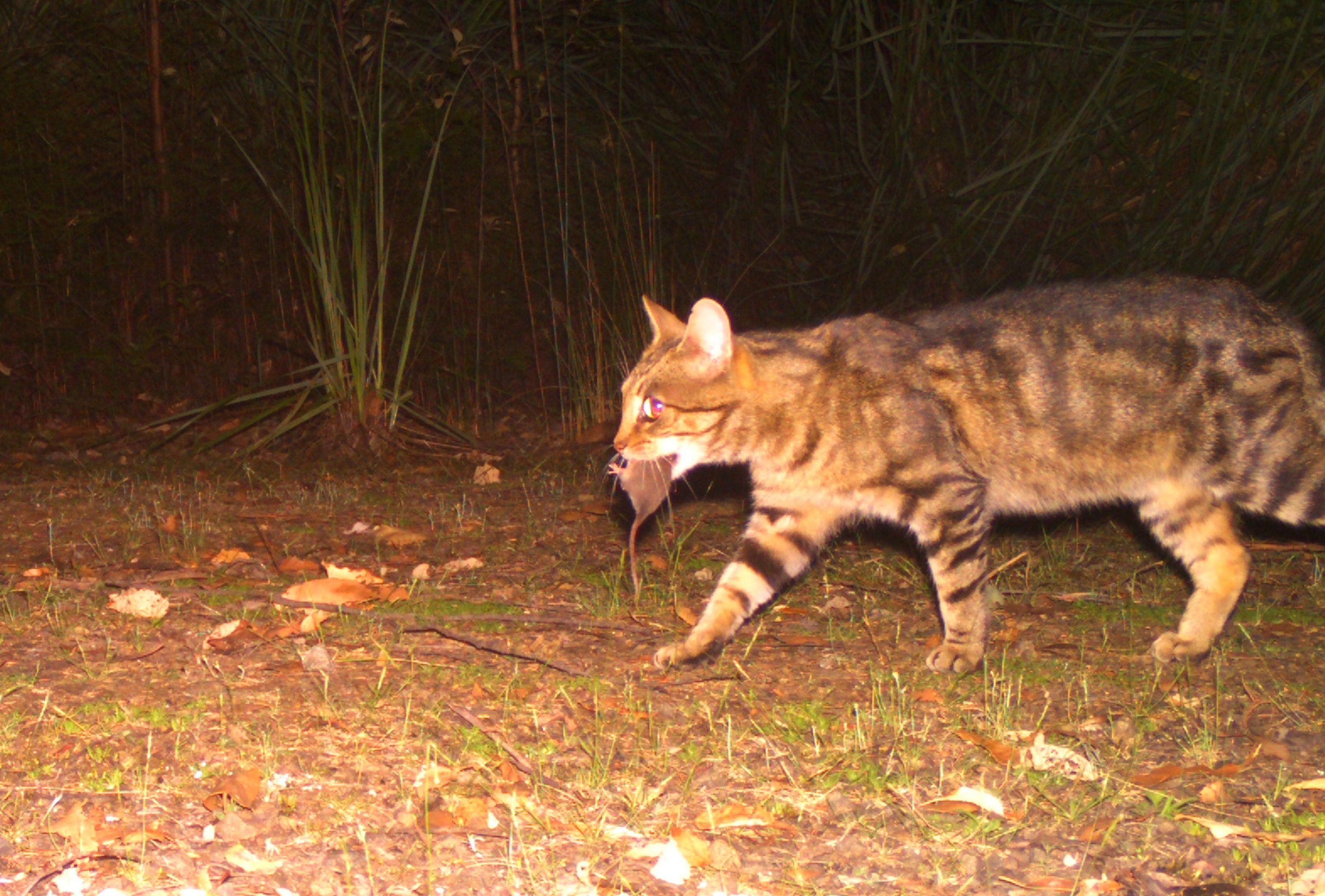
The Critically Endangered pygmy possum, as well as many small-bodies mammals, are hunted by feral cats and foxes. Image: BW Brook and JC Buettel / University of Tasmania
Media Release
22 January 2026
Today, 25 leading conservation scientists, ecologists, and mammal experts published a comprehensive rebuttal to claims that there is little evidence that introduced cats and foxes were the primary cause of most of Australia’s 40 mammal extinctions since European colonisation.
It follows a scientific uproar over a widely publicised and controversial 2025 paper in BioScience by Dr Arian Wallach (QUT) and Dr Erick Lundgren (University of Alberta, Canada), which cast strong doubt on the role of non-native feral cats and red foxes in Australian mammal extinctions.
Today’s study, also published in BioScience, systematically dismantles the arguments made by Wallach and Lundgren, presenting multiple lines of strong evidence that they most certainly were.
The rebuttal, led by Biodiversity Council member Adjunct Professor John Woinarski of Charles Darwin University, reveals deep flaws in the assumptions, analyses, data, interpretations and conclusions of the Wallach and Lundgren paper.
"Wallach and Lundgren misinterpreted their own data, made naive false arguments and ignored key evidence to claim that cats and foxes were innocent bystanders rather than culprits in Australia’s world-leading mammal declines.
“For example, they ignored vital firsthand accounts by Indigenous people and European settlers who observed native mammal populations declining after the arrival of cats or foxes to an area.
“They did not consider the many native species, like the greater stick-nest rat, that were wiped out on mainland Australia, and only survived on islands that were not reached by cats and foxes.
“Or that many threatened native mammals almost always flourish in fenced areas or on islands where cats and foxes are excluded, but fail when reintroduced to areas where predators remain.
“The evidence is overwhelming; cats and foxes were the primary driver of the decline of most of the Australian mammals that have become extinct since 1788, and continue to drive the decline of many remaining species.
“Claims and counter-claims are part of the process that continually tests, shapes and hones science, but in this case, we consider the denialist case made by Wallach and Lundgren to be so flawed and unsubstantiated that it should never have been given any legitimacy through publication in a scientific journal or popular media.
"It matters because this is more than just an academic argument; the survival of many of Australia’s remaining native mammals, and other species like ground nesting birds, depends on controlling cats and foxes effectively.
“Inaccurate publications have the potential to fuel misinformation, undermine social license for pest management, and ultimately increase the risks of further extinctions".
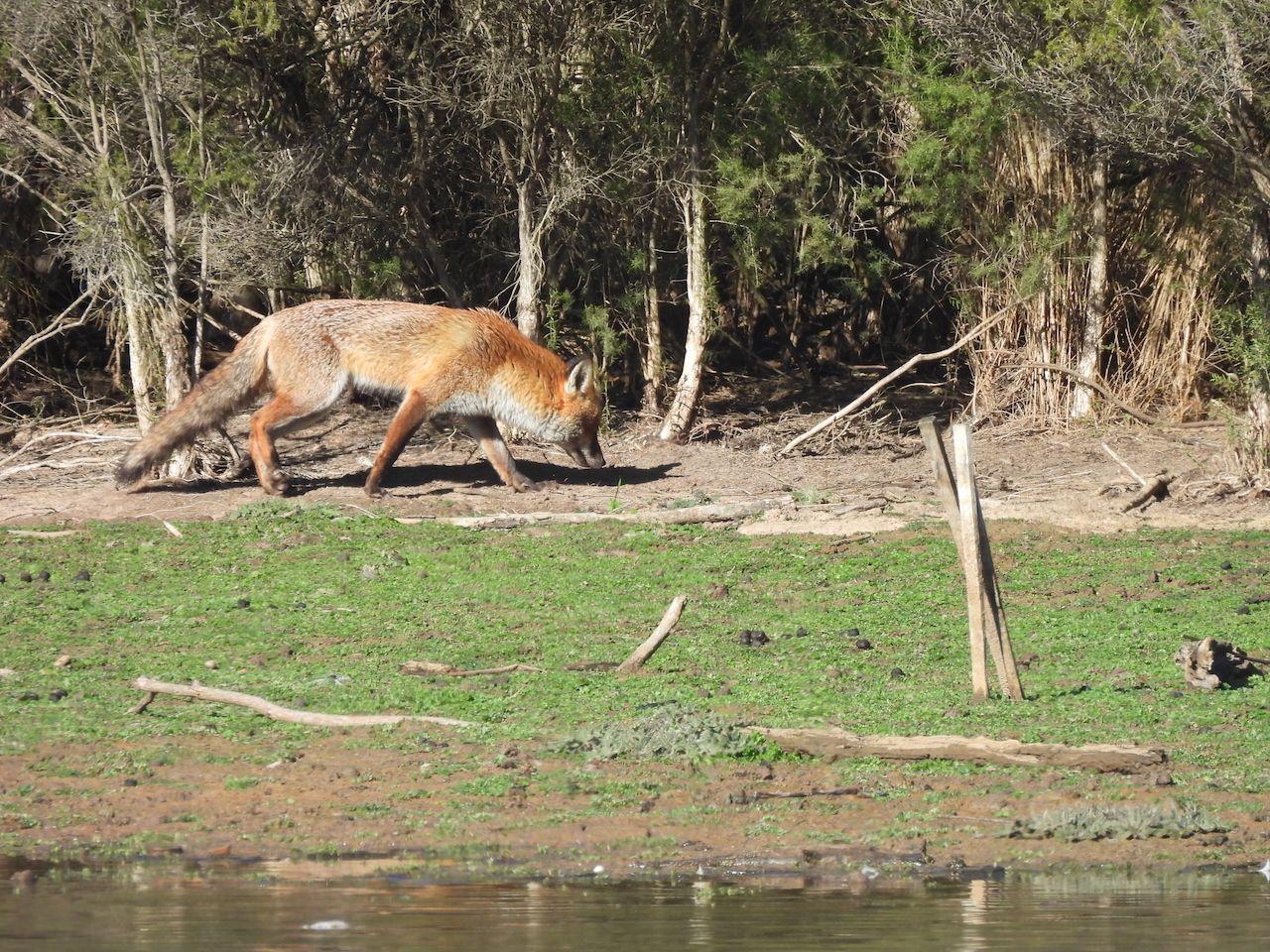
Image: Kim Tarpey / iNaturalist CC BY-NC
The three key arguments used by Wallach and Lundgren to deny cat and fox impact, and why they don’t stack up
Ecological correlations
Wallach and Lundgren asserted that if cats and foxes are harmful, then native mammal numbers should always go down when introduced predator numbers go up.
This argument ignores the natural variability of populations in response to the weather and the fertility and habitat features of different areas. For example, in arid Australia, both introduced predators and native prey populations increase following good rainfall periods, and does not disprove that cats and foxes can drive declines of native mammals.
Timing of Extinctions
Wallach and Lundgren claimed many mammals vanished before cats and foxes arrived, however, reanalysis of the data by the current study shows that every case of population loss occurred after the arrival of cats, which arrived in most areas before foxes and sometimes already caused extinctions prior to foxes' arrival.
Wallach also made unwarranted assumptions, such as that the last scientific record in an area is the date of extinction, however scientific data across these remote regions is sparse and patchy.
Wallach and Lundgren also ignored Indigenous knowledge and accounts, indicating that the species persisted until after the arrival of cats.
Success of Management
Wallach and Lundgren claim that native mammal monitoring shows that numbers don’t always improve when there is investment in cat or fox control; therefore cats and foxes must not be the cause of decline. However, they don’t account for the effectiveness of the control - so even though there has been some investment in their control, cat and fox densities may still be too high for mammal populations to survive.
Wallach and Lundgren also ignored the success of Australia's cat- and fox-free havens network, which demonstrates that native mammals almost always flourish when cats and foxes are absent.
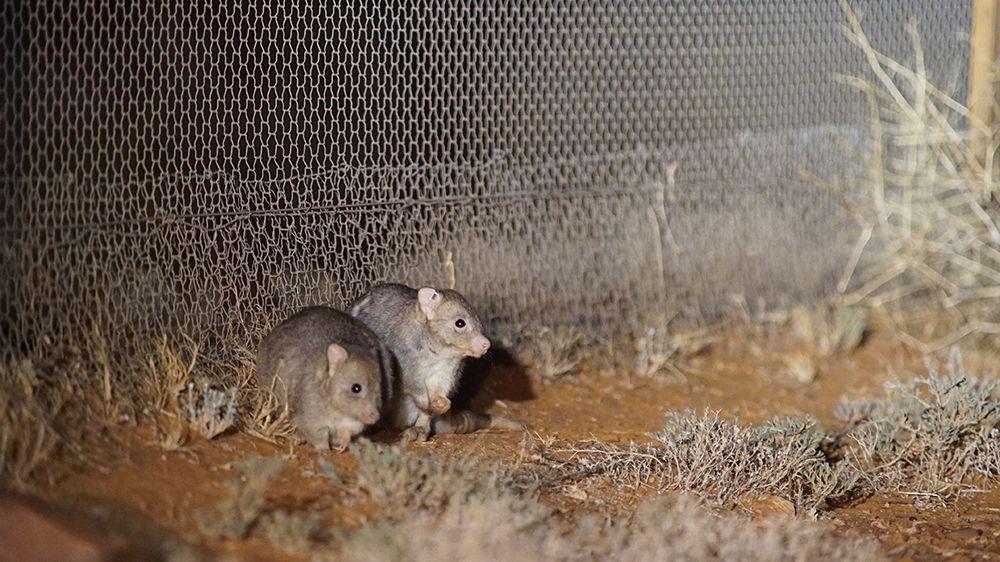
Since 2000, Australia's network of cat- and fox-free havens have allowed an almost seven-fold population increase on average for many species threatened by feral cats and foxes, like the boodie. Image: Hugh McGregor
Co-author and Biodiversity Council member Professor Sarah Legge from Charles Darwin University said:
“Previous research found that over 60 Australian mammal species and subspecies are highly or extremely susceptible to predation by cats and foxes.
“Given how susceptible many mammals are to cats and foxes, Australia has developed a network of 140 cat- and fox-free islands and fenced reserves, and moved populations of many threatened mammal species to them.
“Inside the cat- and fox-free ‘haven’ network, there are now 250 mammal populations of 27 threatened species, and they have had almost seven-fold population increases since 2000 on average, while in areas with cats and foxes, populations continue to decline.
“Because these havens only cover about 1% of Australia’s land area, it is really important that effective feral predator management strategies also occur outside havens, using techniques like habitat management as well as coordinated baiting and culling.“
Co-author Professor Katherine Moseby from the University of New South Wales has researched the impacts of cat hunting through analysis of cat stomach contents, and by placing GPS and video collars on feral cats.
“If you oppose the culling of a single feral cat, you condemn over a thousand animals to death for every year of that cat’s life. On average, each feral cat kills 791 mammals, birds, reptiles and frogs and 371 invertebrates per year.
“Our native animals did not evolve with predators like cats and foxes so many are quite defenceless, and most do not breed fast enough to offset high predation rates. This has contributed to a high extinction rate in Australian mammals, particularly those that live in our deserts.”
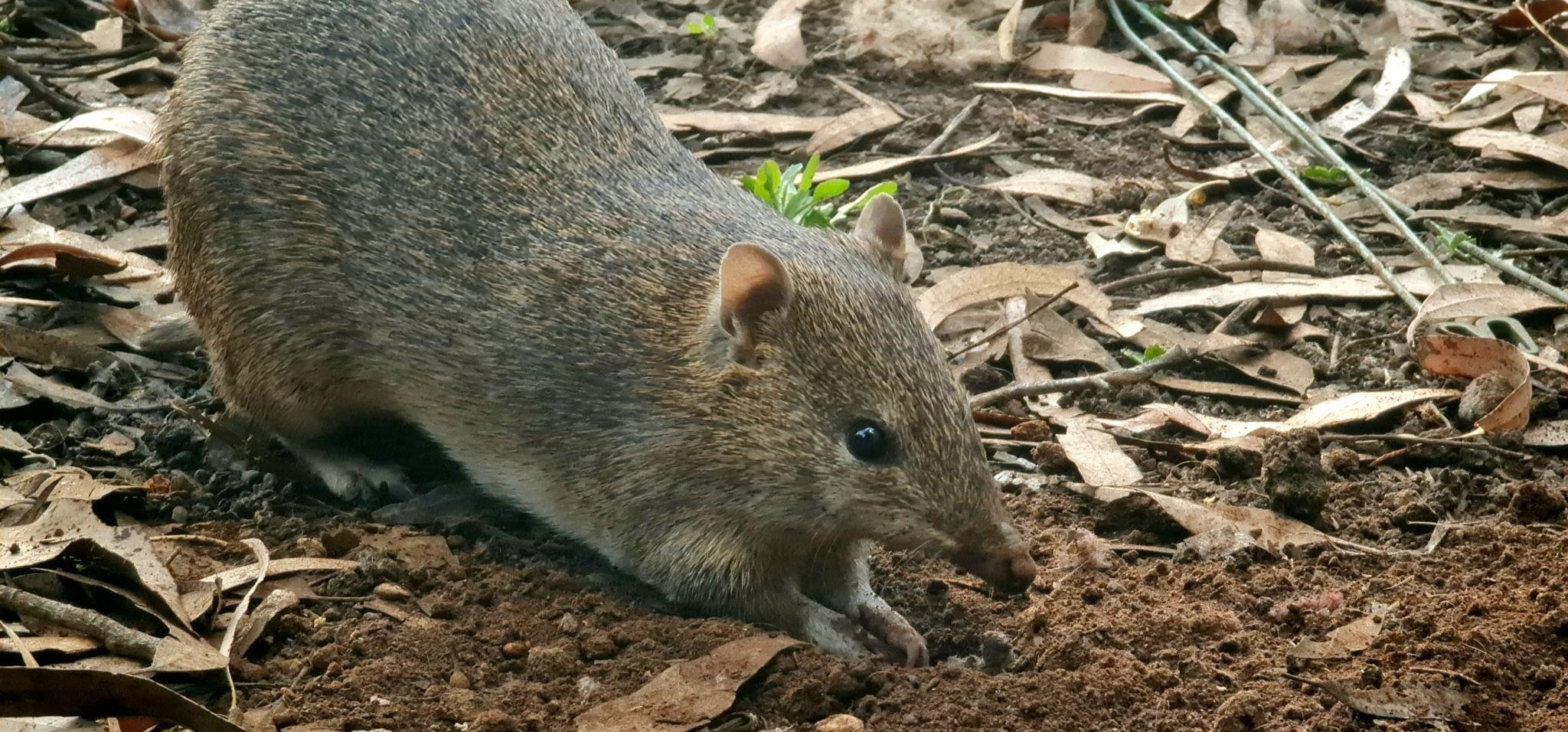
Australia's endemic species, like the northern brown bandicoot, never evolved defences against predators like cats and foxes, so are at high risk of extinction from predation. Image: alicemareeba / iNaturalist CC BY-NC
Co-author, President of the Australian Mammal Society, and Biodiversity Council member Professor Euan Ritchie from Deakin University said:
“Animal welfare considerations should always be central to conservation decisions and actions, but the paper of Wallach and Lundgren and ‘compassionate conservationist’ risks creating even more harm and exacerbating the extinction crisis.
“Conservation should always seek to do the least harm to animals, but in order to conserve native biodiversity, we should not shy away from tough, evidence-based choices. And we should ensure we always make the case and share the reasons openly with the public.
“Compassionate conservation is neither compassionate nor conservation. It is an absurdity to suggest that by not killing foxes and feral cats, as humanely as possible, you are not condemning some populations of numbats, bettongs, bilbies, quolls, and other Australian wildlife to death, and potential extinction.
“Compassionate conservation appears deeply ignorant or apathetic to the realities of how Australian ecosystems and predator-prey interactions operate.”
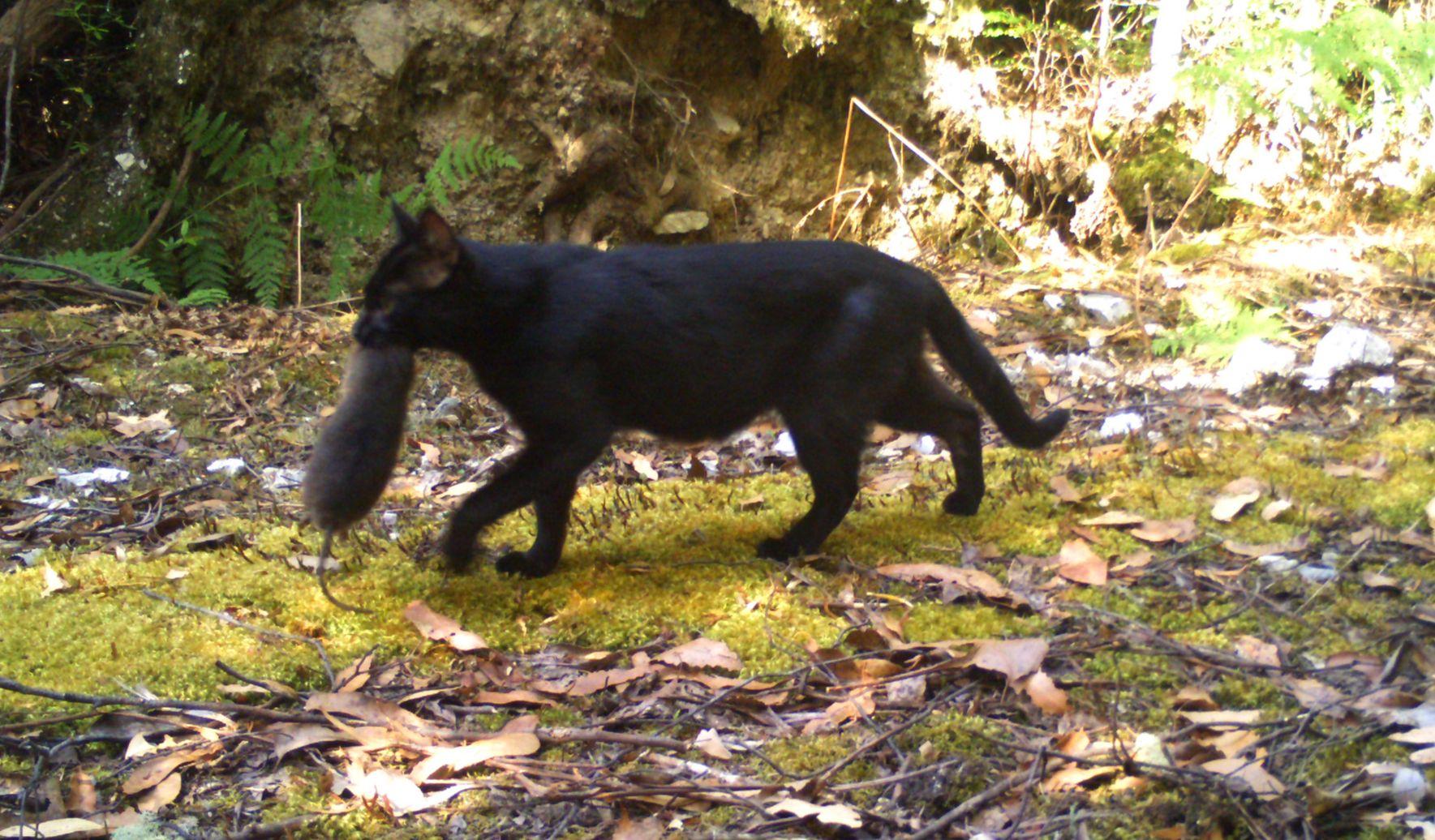
A feral cat carrying a dead native swamp rat. Image: BW Brook and JC Buettel / University of Tasmania