Wildlife at risk as Redbank biomass-fired power station appeal commences
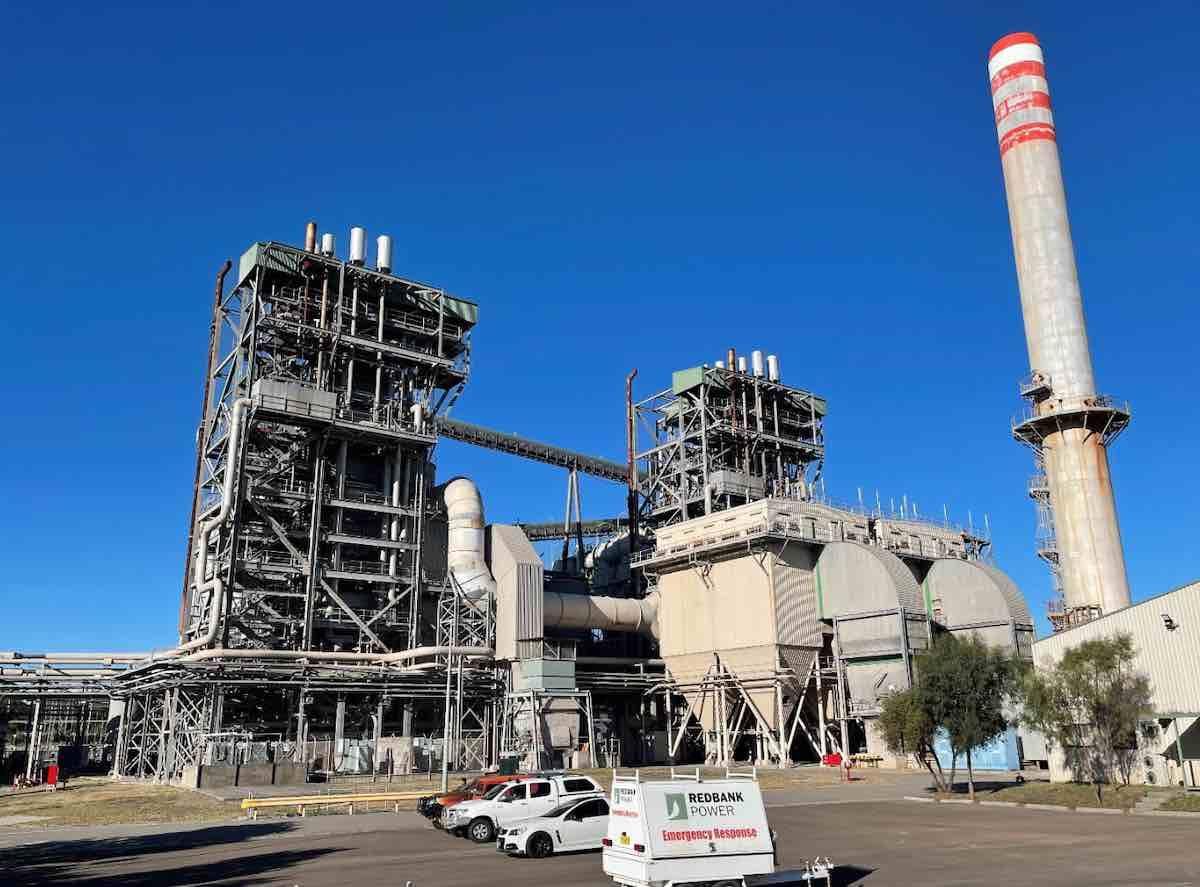
Redbank power station. Image: reneweconomy
Media Release
3 December 2025
Verdant Technology has appealed the Independent Planning Commission’s (IPC) rejection of their Redbank biomass power station proposal with the first directions hearing held in the Land and Environment Court yesterday.
The Nature Conservation Council of New South Wales (NCC) and the Biodiversity Council have called out the project as it would greatly increasing land clearing rates in NSW and have other adverse impacts on the environment.
“The IPC’s initial decision was supported by scientific evidence and overwhelming public opposition. They made the right call to reject this destructive proposal,” NCC CEO Jacqui Mumford said.
The project proposal will now be re-assessed in the Land and Environment Court.
“Verdant’s proposal involves burning up to 700,000 tonnes of woody vegetation annually, drawn from clearing of native vegetation, and possibly relying on unproven fuel sources in the long term,” Ms Mumford said.
“Not only does this plan put threatened species at risk of harm, burning vegetation releases significant greenhouse gases, incentivises land clearing and destroys biodiversity.
“The appeal is yet another desperate attempt by Verdant Earth Technologies to weasel their destructive project into existence.
“The company has been trying to get this project off the ground since 2021 and it has been rejected in its various forms.
“Unless the company can commit to excluding native vegetation from their burning plans, they should accept that their proposal is defunct and out of touch with modern environmental standards and community expectations.
“We reject any attempt to rebrand this proposal as clean or renewable. Burning native vegetation or scrublands for electricity is not a solution to the climate or biodiversity crisis,” Ms Mumford said.
“It is destructive, counterproductive, and incompatible with genuine efforts to transition to a sustainable energy future.”
According to Biodiversity Council’s Lead Councillor Professor Hugh Possingham the native regrowth proposed to fuel the power station provides important habitat for many native animals and plants, including threatened species.
“A key source of biomass identified for the power station is the clearing of Invasive Native Species (INS),” said Professor Possingham.
“INS is a term for dense shrublands that some landowners find inconvenient and call unnatural, but they have always been a part of landscapes in New South Wales, although where they occur may have changed due to land management practices.
“They provide important habitat for many native animals and plants, including for threatened species.”
Biodiversity Council Policy and Innovation Lead Lis Ashby said, “To meet the biomass target identified by Verdant Energy to fuel the project, legal land clearing in NSW would need to at least triple.
“This project would be a slap in the face to the many members of the community across NSW who are working to reduce climate emissions and halt nature loss.”