Logo
  • About Us
  • Resources
  • News
  • FAQ
  • Take Action
  • Subscribe
  • Donate
  • About Us
  • Resources
  • News
  • FAQ
  • Take Action

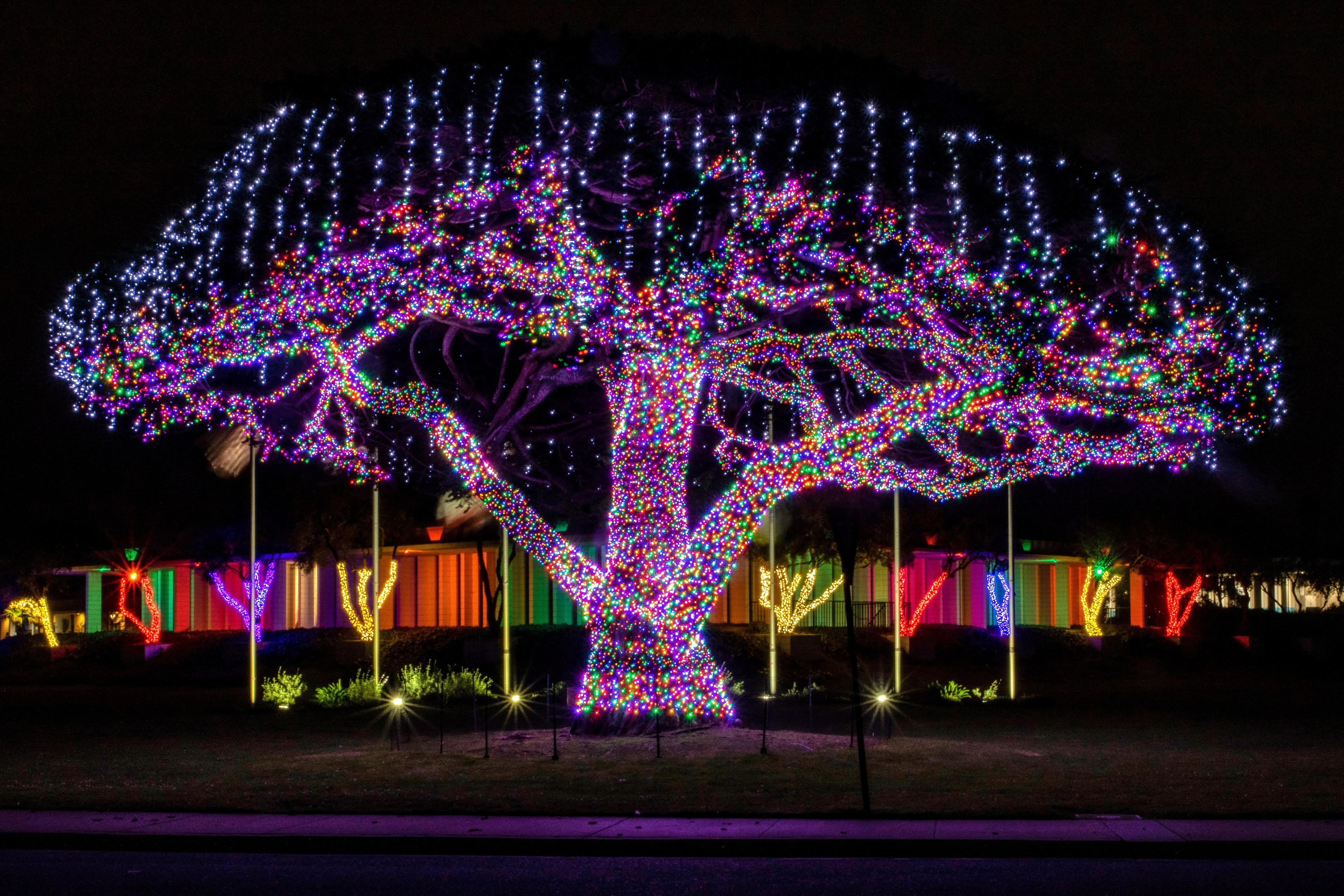
Image: Mick Haupt / Unsplash

Back to more resources

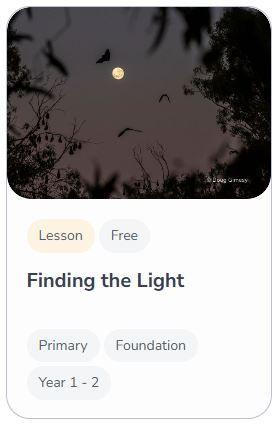
Finding the Light

Lessons

24 November 2025
Download

This lesson suits Foundation and Year 1-2 students within the Geography curriculum.

Students will learn how to manage features of their environment by identifying sources of excess light within their community and planning ways to reduce this light.

Learning intentions:

Students will:

  • identify the mechanisms for managing light in their community
  • develop a plan to modify/manage the lighting in their community.
Success criteria:

Students can:

  • discuss light as a feature of our environments to be managed.

This lesson was created in collaboration with Cool.org as part of the Biodiversity in Action education resources, which are hosted on their website.

facebook
linkedin
x
bluesky
Previous
Next

Subscribe to our newsletters*

  • About
  • Resources
  • News & Media
  • FAQ
  • Take Action

Acknowledgements

The Biodiversity Council acknowledges the First Peoples of the lands and waters of Australia, and pays respect to their Elders, past, present and future and expresses gratitude for long and ongoing custodianship of Country.

The Biodiversity Council is an independent expert group founded by 11 Australian universities to promote evidence-based solutions to Australia’s biodiversity crisis. It receives funding from 11 university partners and The Ian Potter Foundation, The Ross Trust, Trawalla Foundation, The Rendere Trust, Isaacson Davis Foundation, Coniston Charitable Trust and Angela Whitbread.


Newsletter subscriptions

*You can read our privacy notice to learn how we handle the personal information of people who subscribe to our newsletter.


Contact

Biodiversity Council

(c/o University of Melbourne)

Faculty of Science, SAFES (Building 122)

Victoria 3010 Australia


Media enquiries:

Email Jaana Dielenberg, Media Manager

General enquiries:

Email the Biodiversity Council

Our partners