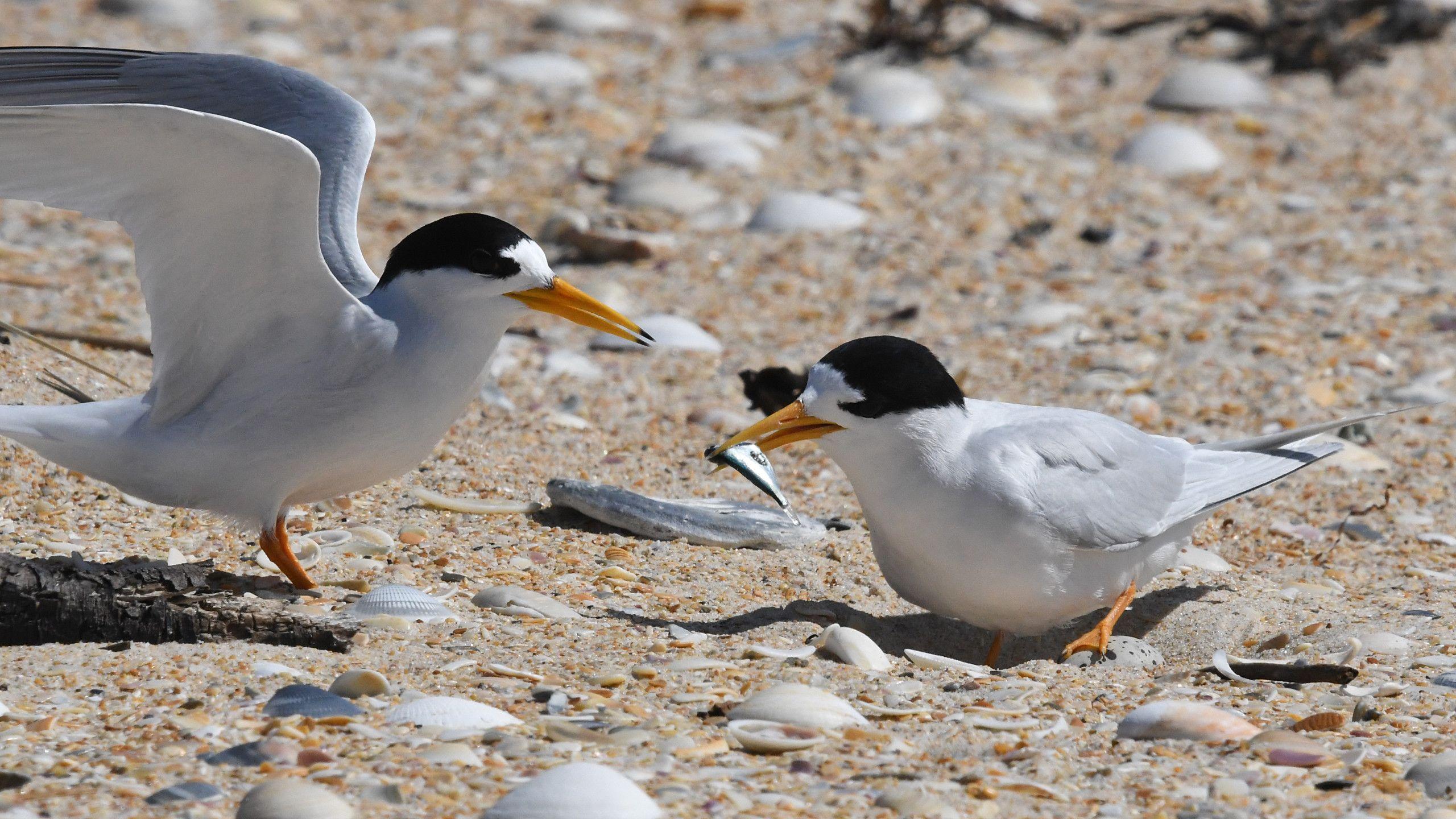
Source: Eric J Woehler
Proposed H5N1 Bird Flu Priority Wildlife Protection Program
26 August 2026
An expert-led, collaborative framework for investing an initial $200 million over two years to protect and recover Australia’s wildlife at greatest risk from H5N1 bird flu.
We are repeating our call for a significant boost in investment to enhance collaboration toward scaled-up conservation, management and recovery actions for Australian bird and mammal species at the highest risk of H5N1 bird flu, including both threatened and culturally significant species.
The response must now move rapidly from assessing species risk to prioritised action, directing resources to the species, places, times and actions where they can make the greatest difference. This proposal provides a framework for rapid expert prioritisation and funding of actions needed now or when agreed triggers are reached.
Critically, this proposed work, itemised below, is separate from and in addition to investments made for agriculture and to business-as-usual conservation program investments.
The potential impact
Australia has more than 344 highly susceptible bird species, of which 37 are currently threatened, and 32 susceptible mammal species, of which 11 are currently threatened. Based on international impacts of H5N1 on birds and mammals during the past six years, experts have observed variability in the level of impact (i.e., their genetic capacity to cope) and mortality across species. Some species, such as ducks, have a much lower mortality rate than other species and can become vectors for spread. Globally, many once-common species are now threatened, or, if already threatened, are much closer to extinction.
Critically, H5N1 threatens species central to Australian identity and Aboriginal and Torres Strait Islander Cultures, including culturally significant entities such as pelicans, swans, shearwaters and ducks, and iconic mammals including Australian sea lions, dingoes, Tasmanian devils and platypuses. Aboriginal and Torres Strait Islander peoples face particular cultural, spiritual and wellbeing risks through obligations to care for Country, close interaction with wildlife and reliance on bush foods.
What we can meaningfully do to respond
We cannot stop the spread of bird flu. But we can still reduce the severity of its impacts on wildlife and the environment. In some cases, this may mean preventing birds and mammals from becoming infected by preventing exposure (i.e., rescuing individuals from some of the most-affected species and housing them in captivity) or vaccinating against the virus. In cases where this is impossible, we can reduce pressures so that: a) infected animals are less stressed and therefore more able to survive infection, and b) individuals who survive infection are able to breed successfully and help the population recover.
The States and Territories have developed their own response plans, but many lack detail about the conservation actions (times, places, species) that are the highest priority to reduce pressures on the most at-risk species. Furthermore, this is a national problem affecting Matters of National Environmental Significance, so we call for greater national coordination and integration.
The environment sector has called for a $200-million package over two years to protect existing wildlife populations and build their resilience.
We provide a model below that would allow funds to be deployed rapidly to high-value actions to reduce impacts on – and support the recovery of – the species at greatest risk. We provide clear steps that Federal, State and Territory governments should take immediately to respond to bird flu effectively.
Establish a $200-million, two-year H5N1 Bird Flu Priority Wildlife Protection Program
The Australian Government must fund States and Territories to amend or develop response plans that identify the most beneficial conservation actions for the most at-risk species. Funding should be allocated according to conservation need through a transparent, expert-led prioritisation process.
For every bird and mammal species assessed to be at extreme or very high risk by DCCEEW, the program should immediately bring together appropriate species, disease and conservation experts, Indigenous scientists and Traditional Ecological Knowledge Holders – drawing on existing recovery teams or expert groups where possible – to develop a rapid response plan that identifies:
- what actions would be most effective in increasing the species’ resilience to H5N1 bird flu and supporting its recovery
- where those actions would deliver the greatest benefit, focusing on locations most important to the species’ persistence and recovery
- when each action should occur and for how long, including clear trigger points for initiating actions not required immediately
- who is best placed to deliver each action, with clear roles and responsibilities where these can be identified in advance
- how much each action is expected to cost
- what success looks like, with clear and measurable objectives
- whether current monitoring adequately measures impact and recovery (including chicks and adults), or additional monitoring is needed to assess effectiveness and inform adaptive management
The process should determine the interventions required. These actions will be species- and location-specific and should be determined through expert prioritisation. Depending on the species and site, priority interventions could include:
- control of pest animals that prey on, scavenge or compete with at-risk species, including through lethal control or exclusion fencing
- Indigenous land and sea management and science
- protecting important breeding, nesting and roosting sites by restricting access by people, vehicles or animals
- temporary fisheries restrictions in key areas where vulnerable seabirds and marine mammals depend on fish stocks
- temporary closure of priority wetlands to recreational hunting
- increased environmental water allocations to important breeding and refuge wetlands
- establishing or strengthening insurance populations
- vaccination trials or programs
- targeted genomic testing and population monitoring
- targeted habitat restoration, including revegetation, weed and erosion control
The Australian Government should make prioritised funding available quickly through state and territory environment departments, as they have the information, geographic coverage and strategic oversight needed to prioritise and coordinate investment across their jurisdictions. Other partners could also be directly funded where they are best placed to deliver priority actions.
States and Territories should contract whichever organisations are best equipped and positioned to deliver the identified actions, including government agencies, Traditional Custodians, Aboriginal and Torres Strait Islander organisations and ranger groups, conservation NGOs, NRMs, local governments, Landcare groups, research organisations and private land conservation groups. Delivery organisations must commit to ongoing engagement with, and enabling participation by, Traditional Custodians. Collaboration between all groups will strengthen long-term outcomes. To ensure rapid delivery, it will be important for governments to understand and deploy capability across the sector (potentially between jurisdictions) towards prioritised actions, as was the case for fire recovery activity.
For highest impact, funding should be delivered based on genuine prioritisation, not equally distributed by jurisdiction or region. Funding should follow the identified conservation priorities, directing resources to the organisations, species, places and actions where investment can make the greatest difference to reducing H5-related extinction risk and supporting long-term recovery.
Projects also must genuinely deliver additional conservation action. States and Territories should transparently demonstrate that funded activities meet agreed criteria and are additional to existing response plans and business-as-usual management, avoiding the substitution of H5N1 funding for activities that were already planned and funded.
To enable rapid action as the outbreak evolves, the Australian Government should establish a simple, pre-agreed approval checklist that enables delegates to release funds quickly when trigger points identified in species action plans are reached. This would allow rigorous prioritisation to occur in advance without creating delays when urgent intervention is required.
Longer-term actions to aid recovery
Prepare for emergency EPBC listings and uplistings – appropriately resource and streamline processes to rapidly list or uplist species where H5N1 bird flu causes, or is likely to cause, substantial population declines. The rapid assessment and expedited listing of fire-affected species following the Black Summer bushfires provides a strong precedent.
Fast-track recovery planning for high-risk threatened and culturally significant entities – develop, update and resource recovery plans for those threatened species at high risk from H5N1 bird flu.
Identify and protect critical habitat for those species most impacted.