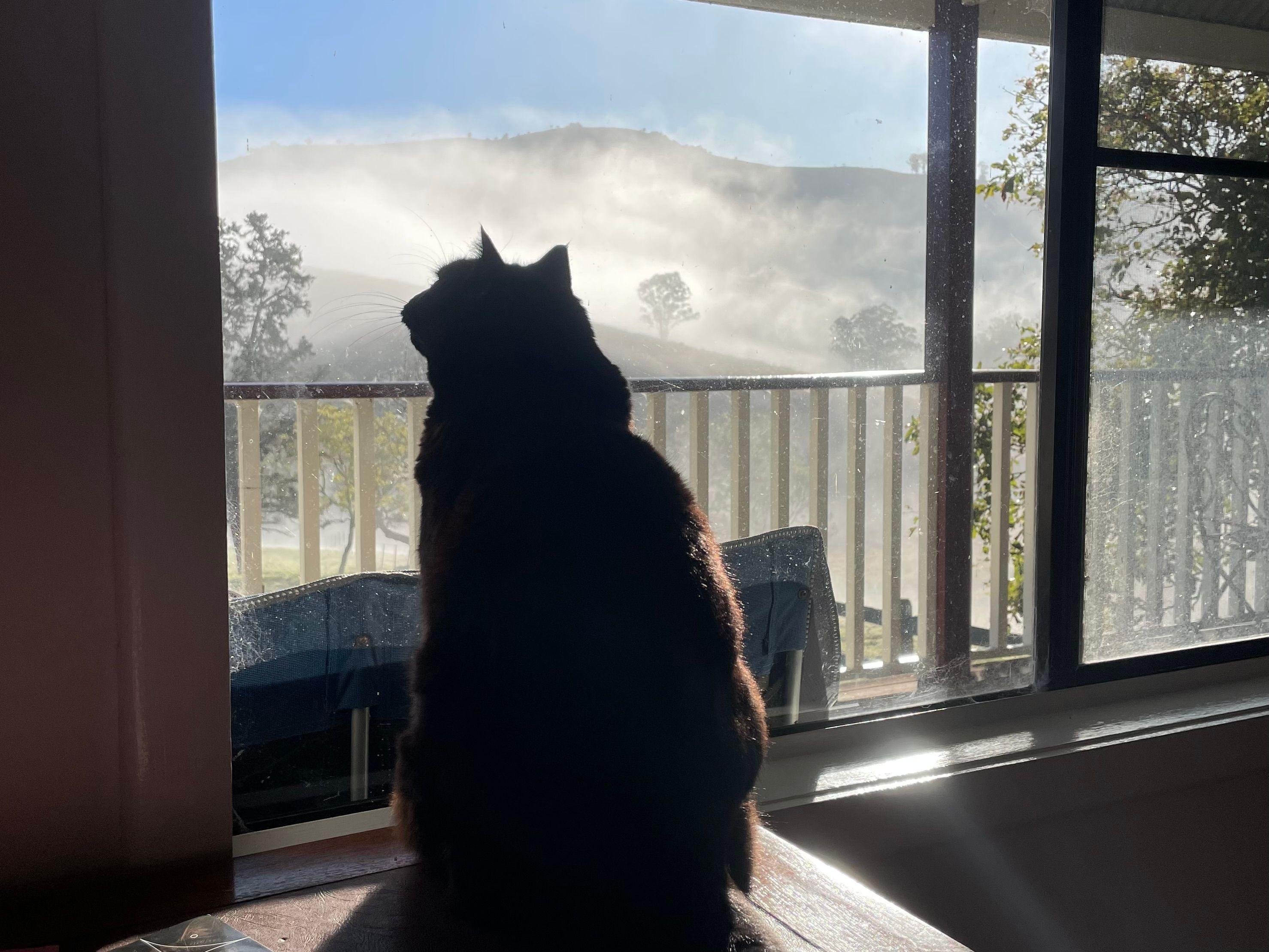
Image: Jaana Dielenberg
Responsible Pet Ownership and Wildlife Protection
Lessons
24 November 2025
This lesson suits Year 7-8 students within the Civics and Citizenship curriculum.
Students will examine what responsible pet ownership looks like by collaboratively discussing the ripple effect of both responsible and irresponsible pet ownership. Understanding of the importance of civic responsibility will be explored through topic card discussions and online research. Students will work collaboratively to produce an assembly presentation that promotes a pledge to protect both pets and wildlife in their area.
Learning intentions:
Students will:
- examine how responsible pet ownership is a civic responsibility that helps protect local biodiversity, minimise nuisance to neighbours, and benefit pets
- explore how laws and community practices protect both pets and wildlife.
Success criteria:
Students can:
- describe how pet behaviours can cause nuisance and threaten wildlife, and explain at least 1 solution
- explore what the existing local government rules are for pets where they live
- create a civic action piece to promote responsible pet ownership in their community.
This lesson was created in collaboration with Cool.org as part of the Biodiversity in Action education resources, which are hosted on their website.