Logo
  • About Us
  • Resources
  • News
  • FAQ
  • Take Action
  • Subscribe
  • Donate
  • About Us
  • Resources
  • News
  • FAQ
  • Take Action

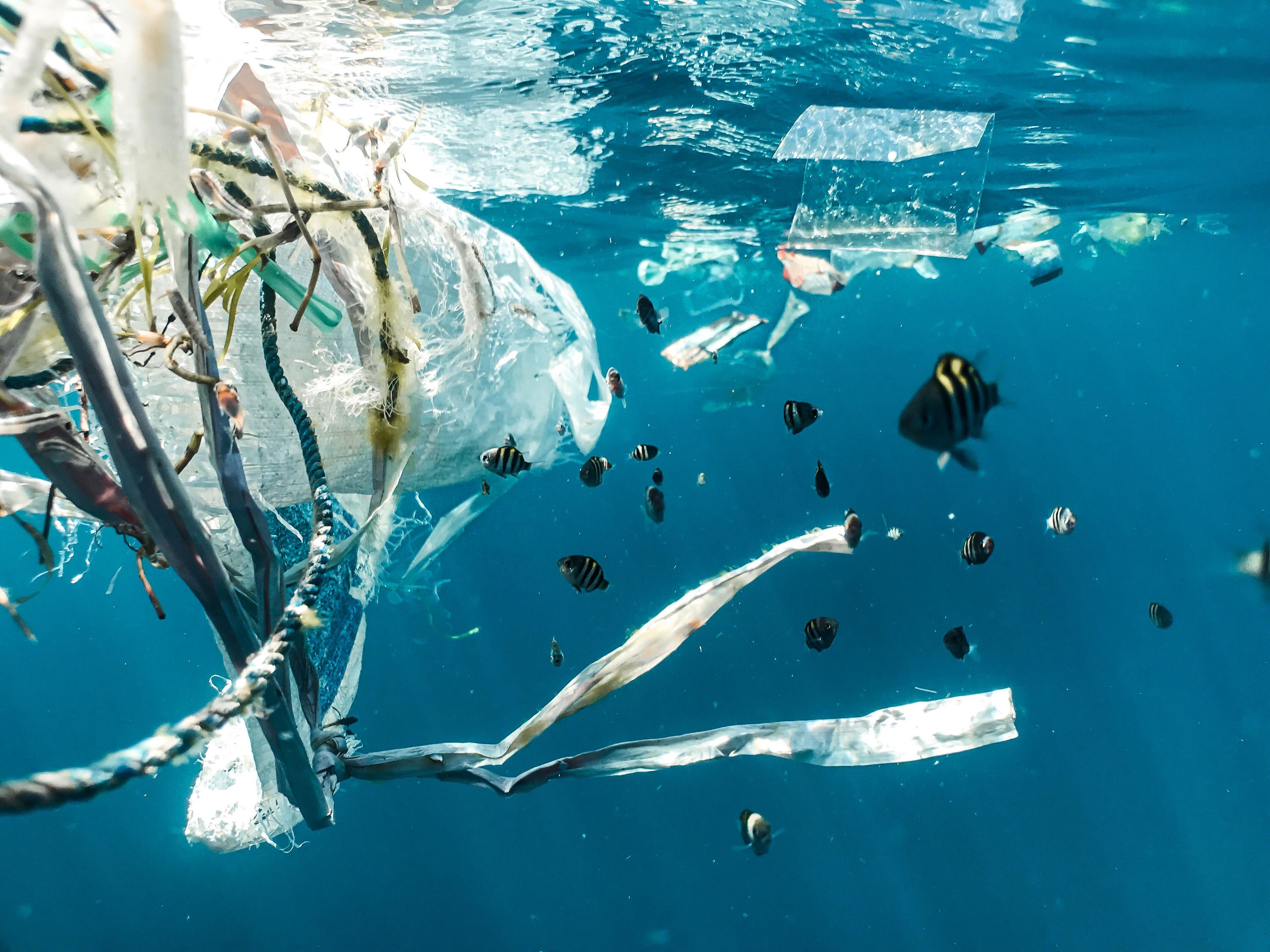
Image: NajaBertoltJensen / OceanImageBank CC BY NC

Back to more resources

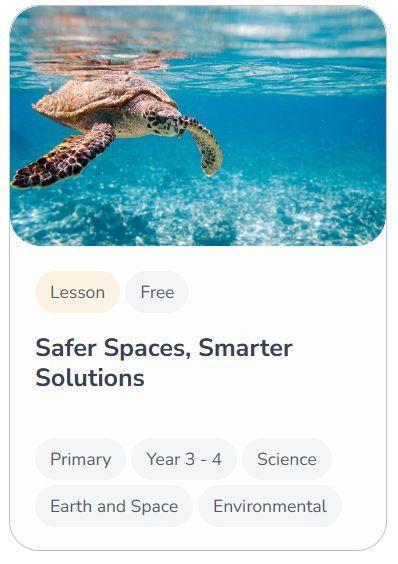
Safer Spaces, Smarter Solutions

Lessons

24 November 2025
Download

This lesson suits Year 3-4 students within the Science curriculum.

Students will conduct an area audit of their school to identify places or features that support wildlife and those that may threaten it. Using real-world examples, they will explore how everyday human activities affect habitats and food chains, and will share their findings through interactive learning lab presentations. Students will identify a local concern for wildlife and work together to design a Wildlife Improvement Plan for the class to consider as a future project.

Learning intentions:

Students will:

  • identify everyday threats to biodiversity in their local environment
  • develop a plan to make their school or home safer for wildlife.
Success criteria:

Students can:

  • recognise how items like certain rat baits, pets or plastic harm native species
  • suggest and share actions to reduce these threats.

This lesson was created in collaboration with Cool.org as part of the Biodiversity in Action education resources, which are hosted on their website.

facebook
linkedin
x
bluesky
Previous
Next

Subscribe to our newsletters*

  • About
  • Resources
  • News & Media
  • FAQ
  • Take Action

Acknowledgements

The Biodiversity Council acknowledges the First Peoples of the lands and waters of Australia, and pays respect to their Elders, past, present and future and expresses gratitude for long and ongoing custodianship of Country.

The Biodiversity Council is an independent expert group founded by 11 Australian universities to promote evidence-based solutions to Australia’s biodiversity crisis. It receives funding from 11 university partners and The Ian Potter Foundation, The Ross Trust, Trawalla Foundation, The Rendere Trust, Isaacson Davis Foundation, Coniston Charitable Trust and Angela Whitbread.


Newsletter subscriptions

*You can read our privacy notice to learn how we handle the personal information of people who subscribe to our newsletter.


Contact

Biodiversity Council

(c/o University of Melbourne)

Faculty of Science, SAFES (Building 122)

Victoria 3010 Australia


Media enquiries:

Email Jaana Dielenberg, Media Manager

General enquiries:

Email the Biodiversity Council

Our partners