Source: Nino Barbieri CC BY-SA 3.0
Submission to the Inquiry into licences to harm native animals
Submission
18 December 2025

The Biodiversity Council welcomes the opportunity to provide feedback on the Legislative Council’s Animal Welfare Committee’s inquiry into licences to harm native animals.
Our position
Wildlife populations can become overabundant
Wildlife populations increase or decrease in response to factors that affect rates of reproduction, growth and survival, including disease, competition, predation, pollution, the abundance of food and shelter, extreme weather events and seasonal changes, and natural disasters. In Australia some wildlife have benefitted from changes that people have made to the environment, such as clearing for agriculture and planting of particular crops, and the removal of apex predators (dingoes), whereas others have not.
Some populations may grow beyond levels that habitats and ecosystems can typically sustain, in the short- or longer-term. Overabundance can lead to damage to the environment, including land degradation and loss of biodiversity, and damage to human assets, such as crops. At high population densities, native wildlife may suffer due to food scarcity and starvation, stress or increased disease.
Robust population data is essential for monitoring population numbers change, carrying capacity, and environmental health
Effective wildlife management depends on accurate, science-based population and environmental data. Population estimates, reproductive and growth rates, mortality rates, and habitat conditions must be assessed to determine the carrying capacity - the maximum population size an environment can sustain without long-term degradation. As carrying capacity can vary through time, it is essential that monitoring also occurs regularly, in order for managers to be able to detect and respond to any changes promptly.
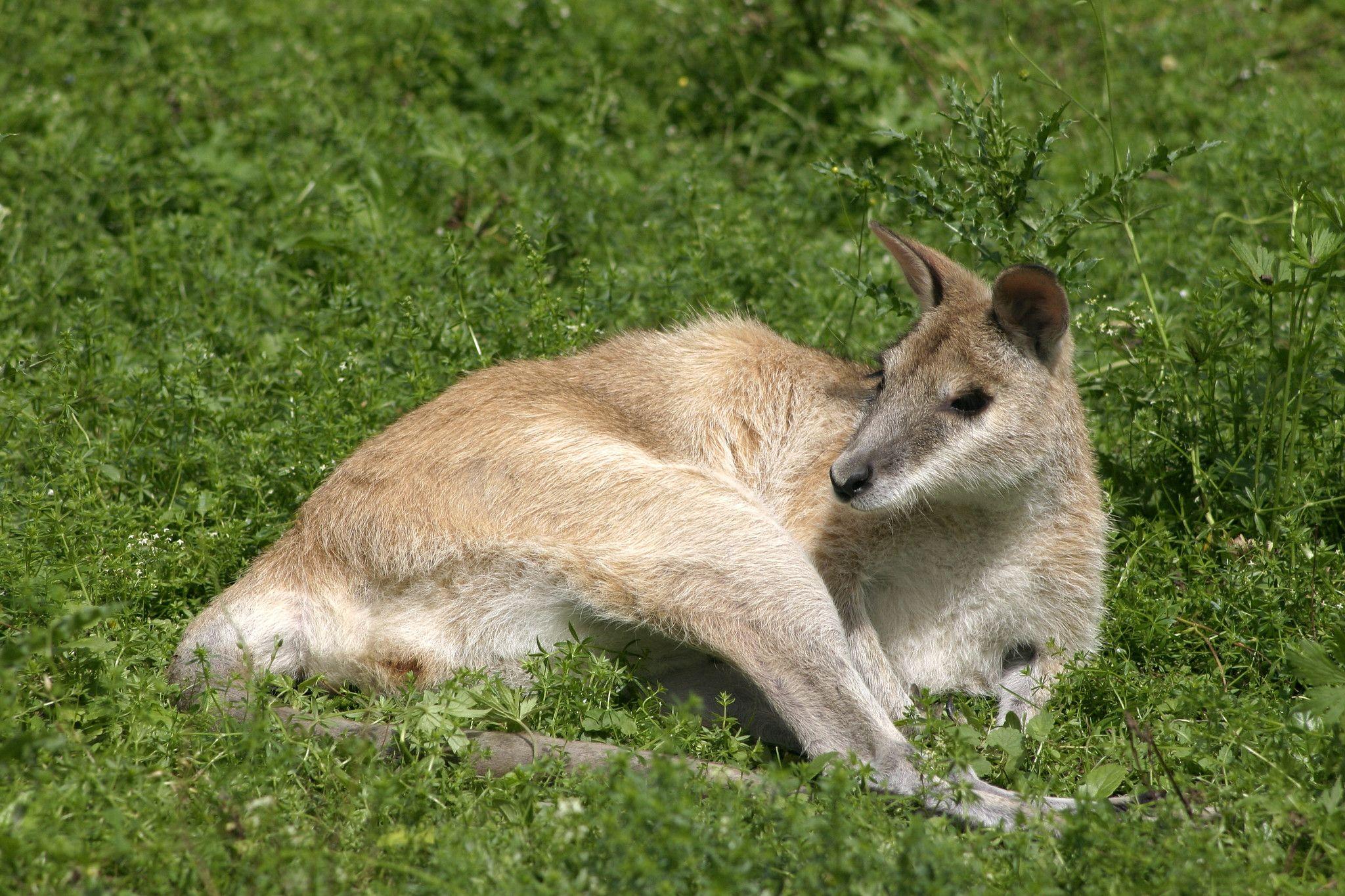
Damage to crops is often interpreted as evidence that a wildlife population is “overabundant”. However, species that are frequently killed, including kangaroos and wallabies, wombats, and birds, are all relatively mobile. They can move across landscapes, and public and private land, in response to food availability, seasonal changes, breeding cycles, or disturbances. Crop damage is not a reliable indicator of population size at a landscape-scale. Animals may temporarily converge in an area so that locally there may appear to be ‘excessive numbers’ while the overall population may remain stable or even be lower than realised.
Integrated methods for managing wildlife populations and clear management goals and monitoring
If wildlife populations are overabundant, a comprehensive management strategy should consider a range of tools, prioritising efficacy, animal welfare and cost effectiveness, rather than relying on a single approach. Integrated methods may include habitat supplementation and modification, fertility control, relocation (where feasible), restoration of natural predators, and lethal control (as a last resort where other tools do not suffice). It is important that lethal control is available as a management option, but its use must be strongly scientifically justified and if this option is chosen it should be undertaken in a responsible and humane manner.
Programs aimed at controlling wildlife populations should design and state specific aims before they begin, including clear targets (SMART framework) and metrics of success (e.g. A wildlife population was reduced by X % and environmental values or crop protection improved by X %). The outcomes must be effectively monitored (pre- and post control efforts, ideally with a control site) and publicly reported.
If wildlife are causing damage at a site scale, but are not overabundant, lethal control may not be appropriate. Site-specific responses such as habitat management, crop protection or deterrents, or compensation of economic losses for landowners, may be more appropriate.
For more detail, please read our full submission.