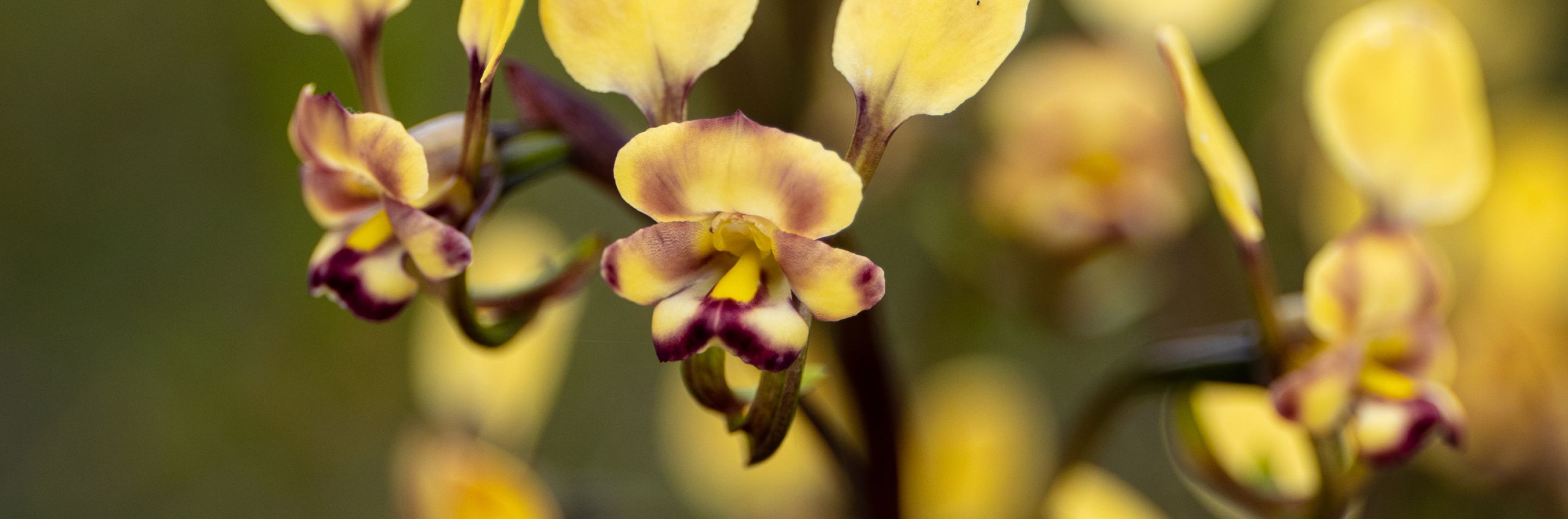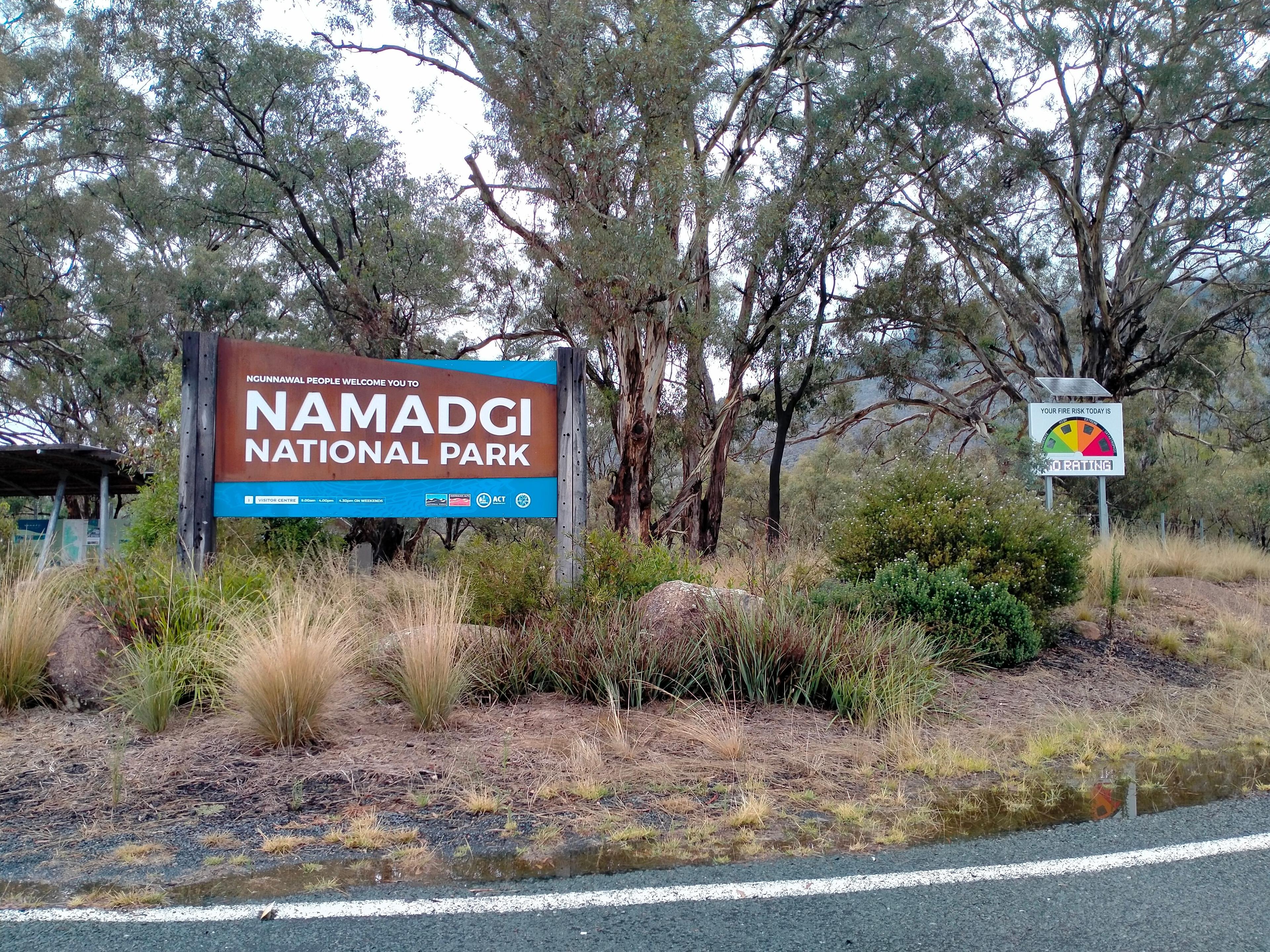
Namadgi National Park. Image: SandwichCafe CC BY 2.0 / Flickr.
Submission to the next ACT Climate Change Strategy
Submission
18 March 2026
Introduction
The Biodiversity Council welcomes the opportunity to provide feedback on the next ACT Climate Change Strategy Discussion Paper (‘Discussion Paper’).
Our understanding
In 2019, the ACT Government released the ACT Climate Change Strategy 2019-25 (‘2019 Strategy’). The Discussion Paper has been released to inform the development of a new Climate Change Strategy for 2026-2035. The Strategy is intended to form an overarching framework that supports 2-4 year action plans.
The 2019 Strategy identified the following goals and actions under the land use and biodiversity theme:
Goal: 7A Protect local species and habitats
- Action: 7.1 Identify opportunities to increase resilience of terrestrial and aquatic habitats at risk from climate change and implement land management changes and relevant onground works with delivery partners.
- Action: 7.2 Ensure action plans for threatened species and communities consider the impact of climate change.
Goal: 7B Sequester carbon in the landscape
- Action: 7.3 Identify suitable sites in the ACT for ‘carbon sinks’ and develop a plan for planting trees or using soil carbon in these areas to sequester carbon with consideration of biodiversity outcomes and competing land uses
Goal: 7C Encourage sustainable and resilient farming
- Action: 7.4 Encourage sustainable farming practices which are fit for the current and future climate and enhance soil and water quality, and work with farmers to identify opportunities for net zero emissions farming and innovation to increase resilience
The Discussion Paper replaces the land use and biodiversity theme with a natural environment theme. Under this theme the Discussion Paper includes a vision, outlines why the natural environment is important, what the ACT Government is doing and proposed next steps. The Discussion Paper is very brief and there are significant gaps both relative to the content of the 2019 Strategy and in general what strategic policy documents should contain.
Please download our submission for our full analysis, key concerns and recommendations.
Summary of recommendations
The Biodiversity Council recommends that:
- The ACT Government reformulate the natural environment vision to describe a desirable future goal and to be clear about the uncertainties with predicting impacts on the natural environment.
- The ACT Government undertake an evaluation of the implementation of the actions in the 2019 Strategy and their effectiveness in achieving their stated goals.
- The Strategy indicate priority actions for the natural environment beyond those that are included in the 2019 Strategy. These should include: identification of climate refugia, vulnerability assessments for threatened species and communities, and analysis and planning for likely changes in key ecological processes. The Strategy should also identify preferred planning approaches that enable managers to navigate uncertainty.
- The Strategy include a clear theory of change.