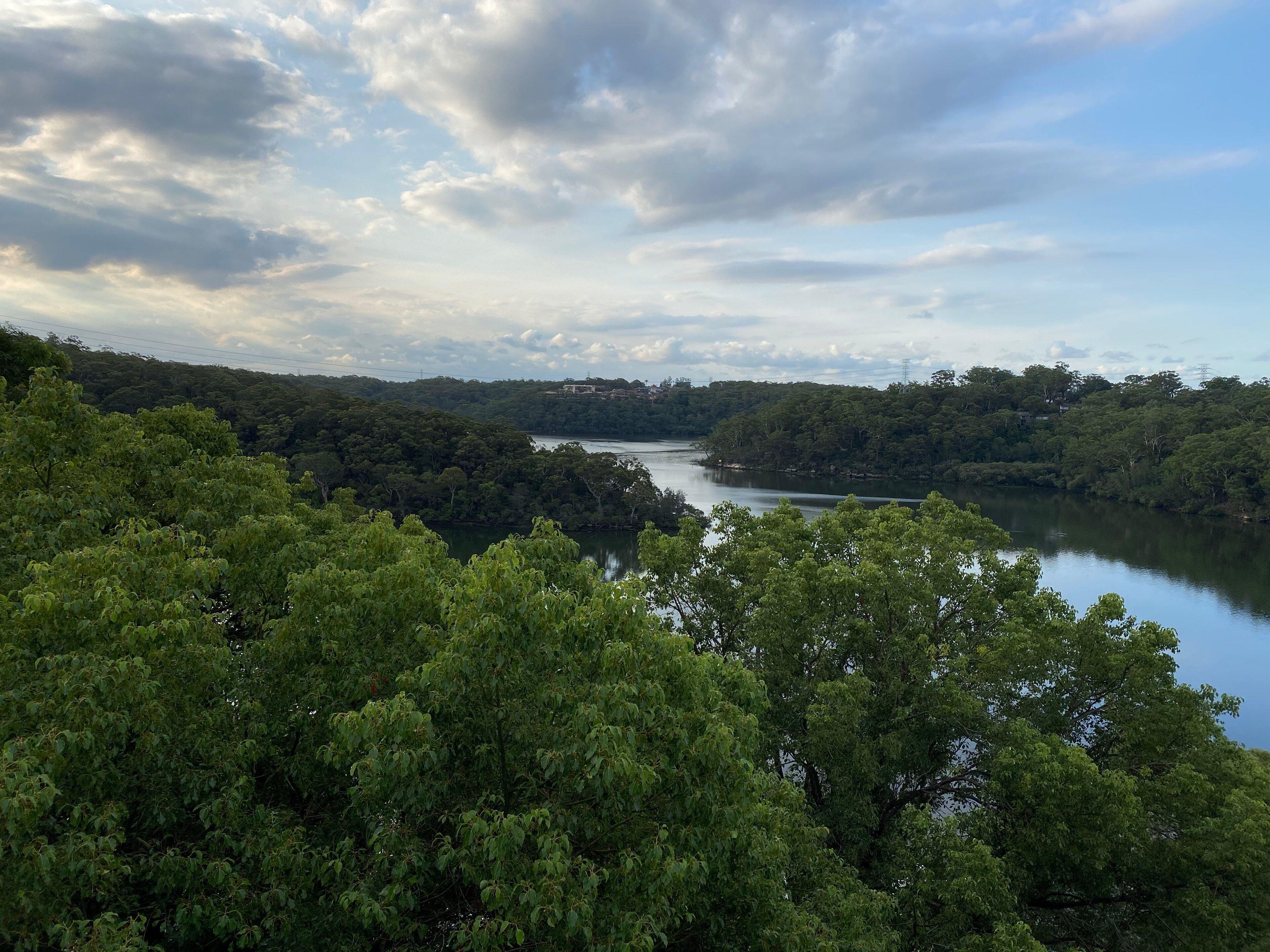
Source: ConnorRFlanagan / Wikimedia Commons CC BY-SA 4.0
Submission to the Sydney Region Growth Centres extension of biodiversity certification
Submission
18 May 2026

The Biodiversity Council welcomes the opportunity to provide feedback on the proposed extension of the biodiversity certification of the State Environmental Planning Policy (Sydney Region Growth Centres) 2006.
We understand that the State Environmental Planning Policy (Sydney Region Growth Centres) (‘Growth Centres SEPP’) established the broad framework for development of the Growth Centres over the next 25 to 30 years. This included an “offset program” - a package of specific measures intended to compensate for impacts on biodiversity from urban development.
We are very concerned that the conditions on the original biodiversity certification have not been met and there is a shortfall in delivery of offsets. Poor delivery and underfunding of offsets is a common problem across Australia and NSW is no exception.
It is our position that extending certification for nine years without strengthened delivery mechanisms would entrench the shortfall rather than fix it.
We recognise that there is a genuine housing supply need in the North West and South West growth centres, and that letting certification expire without transition would create a planning vacuum. However, there are key issues that must be resolved before a nine-year extension is granted. It may be appropriate for a further one-year extension to be granted to allow work to be completed to ensure impacts on biodiversity are effectively managed moving forward (see Recommendation 4 in Submission). The extension must be accompanied by significantly strengthened mechanisms to ensure the offset commitments are actually delivered.
Our key concerns are:
- Clearing is outpacing offset delivery.
- There is a shortfall in delivery of offset for Cumberland Plain woodlands.
- There appears to be no plan to protect the new threatened species found in the Growth Areas.
- The minimum retention requirement for native vegetation is not being met.
- Poorly designed cost recovery programs risk biodiversity outcomes.
Read the full submission for more detail.