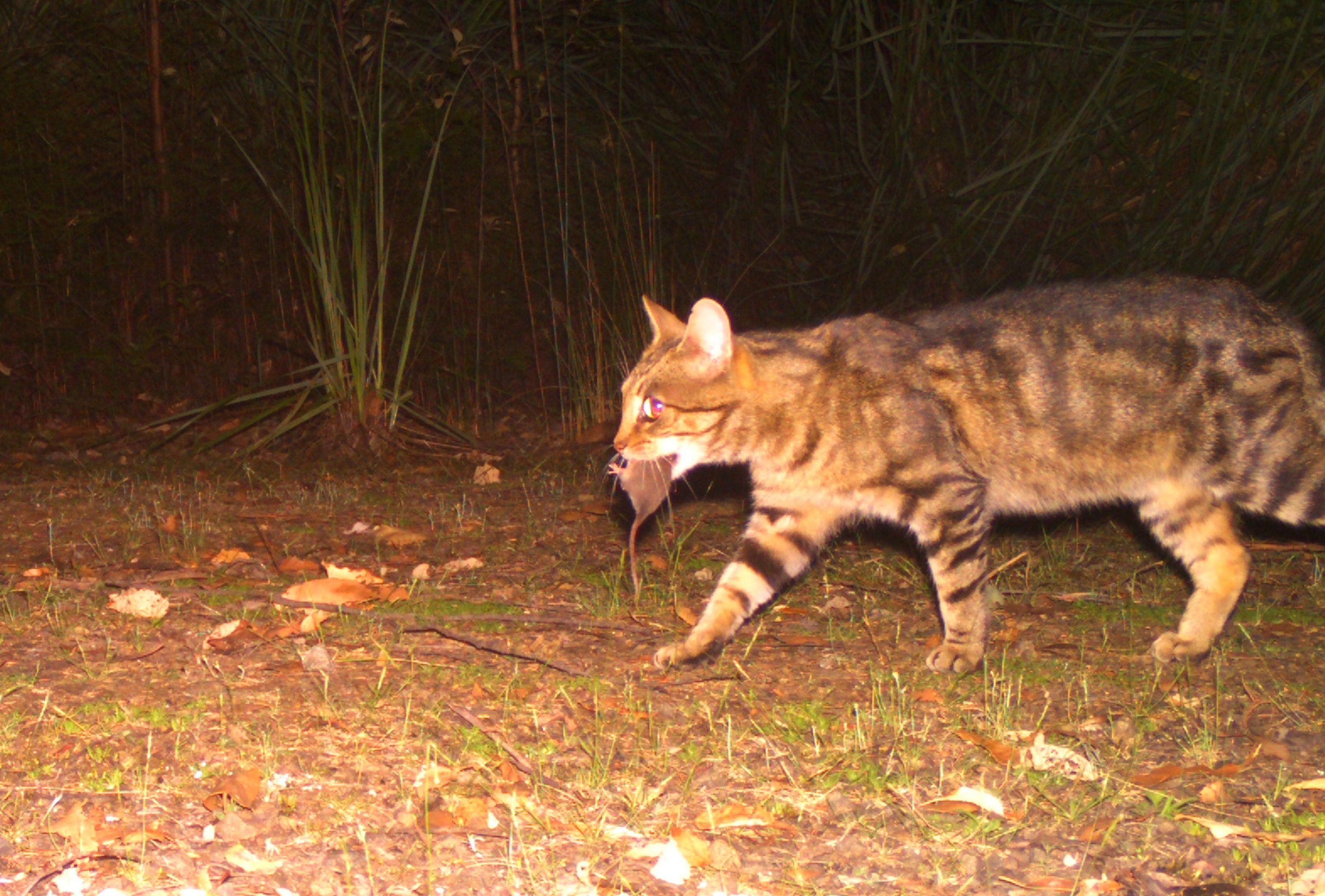
Source: BW Brook and JC Buettel, University of Tasmania
Submission in response to the Cat Management in Tasmania Discussion Paper
Submission
22 May 2026
The Biodiversity Council welcomes the opportunity to provide feedback on the Cat Management in Tasmania Discussion Paper (the Discussion Paper), which will inform the delivery of a new five-year Tasmanian Cat Management Plan to replace the Tasmanian Cat Management Plan (2017-2022).
Our position
Cat owners have a clear responsibility to minimise the impacts of their pets on wildlife, neighbours, livestock and the broader community. Australia has more pet cats than ever before, making responsible ownership increasingly important. Just as dog owners are expected to manage the impacts of their pets, cat owners must take reasonable steps to prevent their cats from killing wildlife, creating nuisance, contributing to stray populations or transmitting disease.
Containment, desexing and identification are practical measures that protect both cats and the community while reducing the cumulative impacts of Australia's large and growing cat population.
All key stakeholders involved in cat management in Tasmania, including governments, councils, veterinarians, shelters, rescue organisations and conservation groups, should consistently communicate that cat ownership carries an expectation of compliance with responsible ownership behaviours. These include sourcing cats from lawful suppliers, desexing, microchipping, registration, and preventing cats from roaming. Many of these behaviours are already legal requirements. The next Cat Management Plan should establish a clear pathway to progressively introduce any remaining elements of responsible ownership, particularly registration and 24-hour containment, as mandatory requirements over time.
The Biodiversity Council recognises the foundational work of the Tasmanian Cat Management Plan 2017 - 2022, particularly in establishing social norms around responsible cat ownership. There are also areas where Tasmania is demonstrating best-practice, such as requiring desexing by 4 months of age. The Discussion Paper provides a well-balanced and thorough analysis of the issues and challenges with cat management.
The Biodiversity Council sees opportunities to improve cat management in Tasmania and we have made many recommendations about specific areas to address. It is critically important that the Tasmanian government adequately resource implementation of the new cat management plan. Many of the additional responsible cat management approaches we are suggesting have already been committed to in other states in Australia.
Our recommendations are grouped under the following headings that broadly reflect the sections of the Discussion Paper:
- Refine cat categories (Response to Section 2.2)
- Establish government-run cat management facilities (Response to Section 2.3)
- Develop a comprehensive monitoring program
- Remove ‘reducing pressure on cat management facilities’ as an objective in the next plan
- Implement a compulsory registration program (Response to Section 4.2)
- Improve transparency in cat sale and transfers (Response to Section 4.3)
- Introduce mandatory cat containment (Response to Section 4.4)
- Consider local laws banning cats in high value conservation areas
- Prohibit feeding of stray cats (Response to Section 5)
- Remove existing cat colonies and prevent new ones (Response to Section 5)
- Implement a strategic, integrated and well-resourced feral cat control program (Response to Section 6)
For more detail on our recommendations, please read the full submission.