Experts back urgent five-point plan for H5N1 bird flu
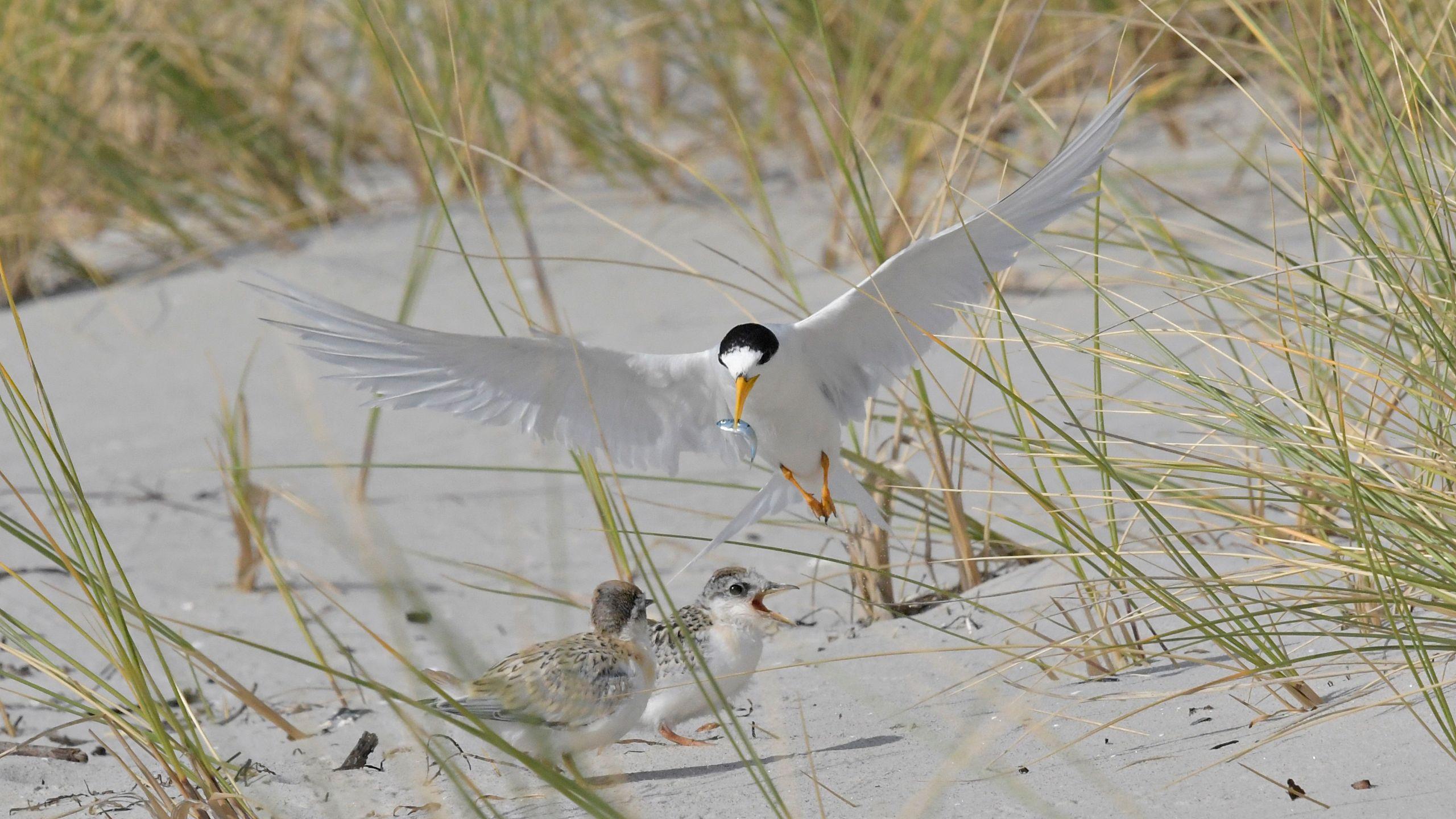
H5N1 bird flu threatens many native bird species, like the Australian Fairy Tern. Source: Eric J Woehler
Media Release
7 July 2026
The Biodiversity Council says much more needs to be done now to help protect wildlife, ecosystems, people and the economy from the deadly threat of H5N1 avian flu on the Australian mainland.
The Council is one of several leading environment groups calling on the Federal Government to urgently invest an additional $200 million over two years to:
- Strengthen the resilience of the most at-risk wildlife – noting that federal investment may need to rise substantially as the situation unfolds.
- Improve surveillance and monitoring of threatened and common wildlife most susceptible to H5N1,including wildlife central to Australian identity.
- Fast-track development of management and mitigation plans for at-risk wildlife that lack them.
- Co-develop response plans with First Peoples who have an obligation to care for Country, interact closely with wildlife and rely on wildlife for food.
- Publicly share all relevant response strategies, plans and programs to enable greater collaboration and identify gaps.
Leading environment groups urgently backing $200 million in additional funding include: Australian Land Conservation Alliance, Australian Marine Conservation Society, Australian Mammal Society, Australasian Wildlife Management Society, Biodiversity Council, BirdLife Australia, Invasive Species Council, the Royal Zoological Society of New South Wales, Southern Australian Aboriginal Land and Sea Management Alliance.
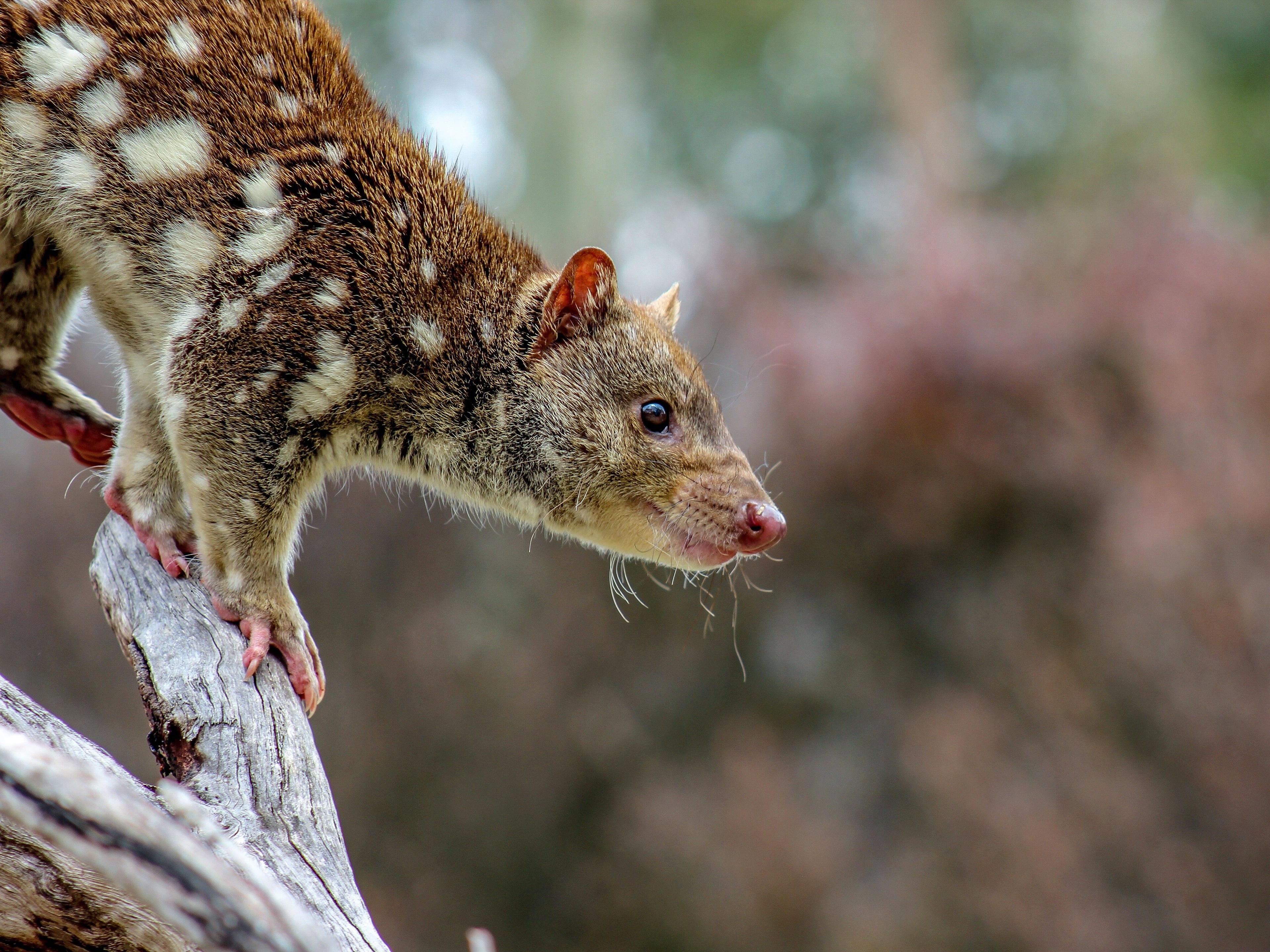
H5N1 bird flu won’t just impact birds but threatens mammals, like the quoll, who will be exposed by predating on infected animals. Source: Daniel Pelaez / Unsplash
BirdLife Australia President and Biodiversity Council Co-Chief Councillor Professor Hugh Possingham said increased investment would help strengthen wildlife now and prevent greater losses.
“Wildlife will better withstand the bird flu threat if we reduce other threats, including the loss of critical habitat and the ravages of invasive species,” said Possingham, professor of mathematics and professor of ecology at the University of Queensland.
The Australian Government already has committed $113 million to strengthen Australia’s preparedness, including for surveillance and response planning, but Australian Mammal Society President and Biodiversity Council member Professor Euan Ritchie said this will need to be scaled as the event unfolds.
Following the 2019–20 Black Summer fires, the Morrison government committed $200 million to wildlife and habitat recovery. But scientists later estimated genuine recovery needed about $2.7 billion.
“There is a lot of uncertainty about how this will play out in Australia because most of our marsupials and monotremes are not found anywhere else in the world,” said Ritchie, a professor in wildlife ecology and conservation at Deakin University.
“But with confirmed cases so far limited to migratory birds, there’s still a window for the government to do more to limit hits to our most threatened species and ecosystems, our communities and our most exposed industries, including agriculture and tourism.”
Ritchie said Australians need to be aware and vigilant about the disease, but not alarmed, as it is still far too early to predict what will happen in Australia, especially given its unique biodiversity. But Ritchie believes H5N1, which has killed millions of wild birds, mammals and poultry worldwide, will eventually take hold in Australia.
Australians are urged to:
- Avoid contact with sick or dead birds and wildlife, keeping people and pets away from the area.
- Record the date, time, location, and number of animals, taking photos or video only if safe to do so without approaching.
- Report any suspected cases immediately by calling the Emergency Animal Disease Hotline on 1800 675 888 or using the online reporting form.
Dr Ronald (Doc) Reynolds, a Senior Saltwater Knowledge Holder and Biodiversity Councillor, said Traditional Knowledge Elders must have a frontline role in the bird flu response.
"The first bird flu deaths were on my Country,” said Dr Reynolds, a Traditional Owner of the Esperance Tjaltjraak (Wudjari) people.
“Authorities should be asking Traditional Owners to lead here, not telling us afterward. We know this coast. Let us help protect it."
Meanwhile, there are mounting calls to suspend bird hunting in the face of the H5N1 threat.
Biodiversity Council Chair Professor Sarah Bekessy said Australian states that still allow bird hunting have a duty of care to suspend those activities.
“Hunting disperses and stresses birds,” said Bekessy, professor of urban ecology and biodiversity at the University of Melbourne. “States should immediately suspend this high-risk activity, as it undermines the national response.”
The Biodiversity Council is co-hosting a public Bird Flu Webinar on Thursday, July 9 from 4pm to 5:30pm AEST with leading scientific and First Peoples experts and conservation groups, including Australian Marine Conservation Society, Birdlife Australia and the Invasive Species Council.
Seven experts will discuss what we know about the disease, the national response and what else can be done now to reduce the impact to native wildlife, communities and the economy. Experts will then field questions from participants.