Where your money is invested can help shape the future of nature
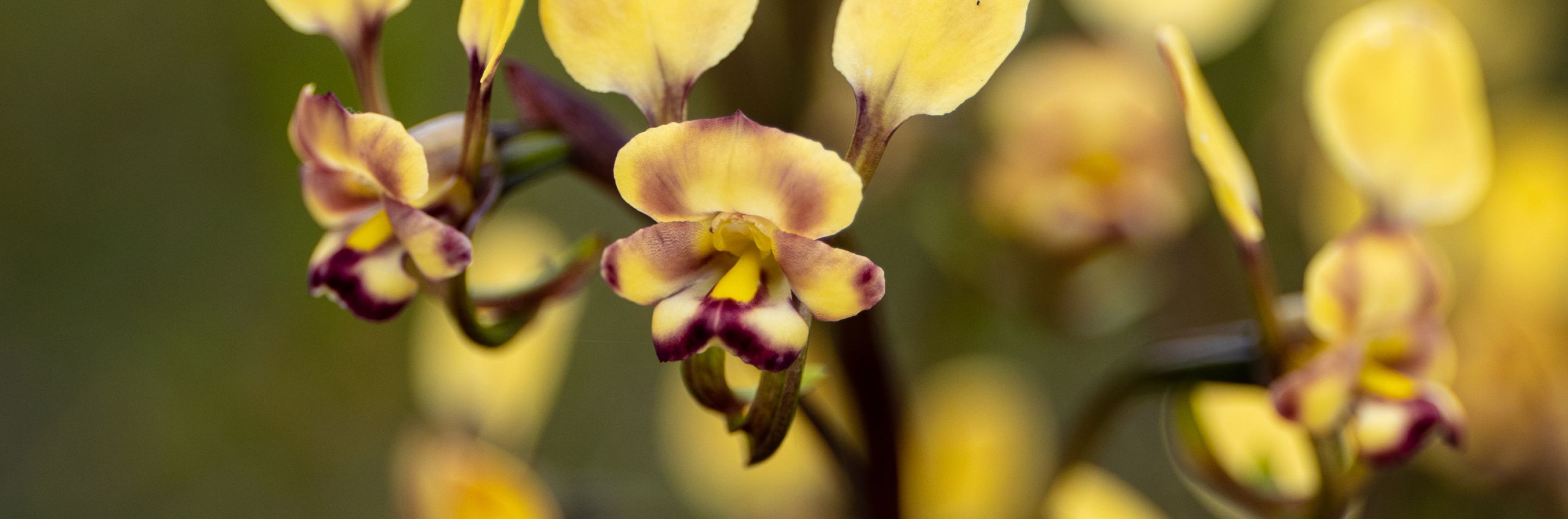
Source: Jaana Dielenberg
The reality is that most of us don’t realise our money can be invested in industries that actively harm nature, such as deforestation and mining.
Recognising this, Project Planet co-founder and CEO Tegan Lerm is raising awareness that simple financial choices can also be a powerful force for good for nature.
According to Tegan, investment choices can have a significant impact on nature, and a simple first step is reviewing your super fund.
"Research from RMIT University has identified choosing biodiversity-friendly investments, like ethical super funds, as one of the most impactful actions individuals can take to support nature,” said Tegan.
"And the good news is that ethical super funds are actually competitive and, in many cases, they perform just as well or even better than traditional funds.”
A simple place to start:
- Look up your super fund’s portfolio holdings, either directly or via a tool like Market Forces’ comparison tool.
- Check their stance on deforestation and biodiversity.
- And if it doesn’t align with your values, consider switching.
And it’s not only super investment that has an impact on outcomes for nature, other financial decisions do too.
Review your bank
When you deposit money into a bank, it doesn't just sit there passively but is invested by the bank to generate profit. However, these investments mightn't always align with your biodiversity-friendly goals.
Compare how your bank invests its money and choose whether to move your savings to a more ethical bank.
Choose ethical investments
For people who want higher returns on their money over a long period of time, investing in shares and funds, like Exchange Traded Funds (ETFs), are a good option.
However, it can be challenging to choose which investments are nature-friendly, especially since there's quite a lot of greenwashing in the market, with many products labelled as 'sustainable' or 'balanced.'
Tools like the Responsible Investment Association of Australasia’s certification and the Ethical Advisers’ Co-op’s Leaf rating are a great place to start looking.
Actively choosing where your money goes can be daunting, but putting it towards biodiversity-friendly investments can help shape a better future for nature - and that makes it a worthwhile choice.