Four major problems with the draft National Environmental Standard tasked with protecting threatened species
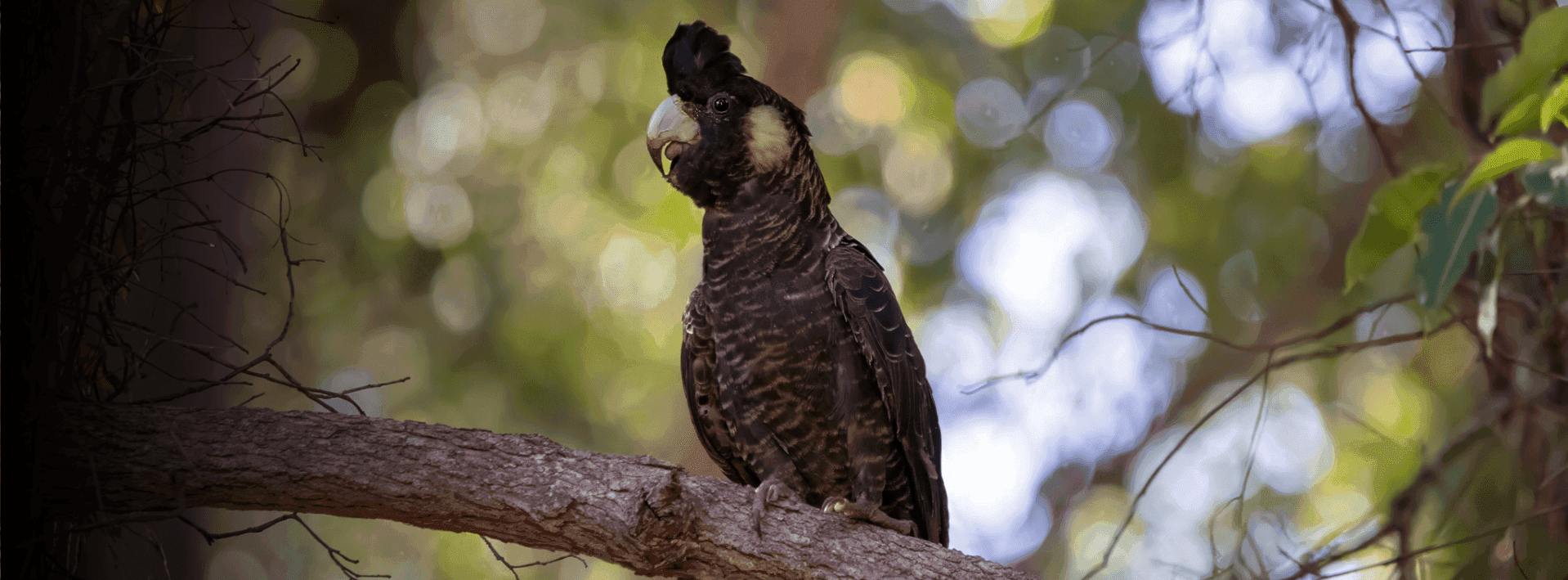
Baudin's black cockatoo is only found in the extreme south-west of WA and is threatened by ongoing mining and logging operations. Image: dandm22 / iNaturalist CC BY-NC
News story
11 May 2026
The Australian Government has released the National Environmental Standard for Matters of National Environmental Significance (MNES) for public consultation.
The draft MNES standard is part of a package of new regulations following on from changes to Australia’s national environmental law, the Environment Protection and Biodiversity Conservation Act 1999 (the Act), that passed in November 2025.
The Standard is a key piece of the reform package that requires close examination. It will act as the primary ‘checklist’ for decision-makers to determine whether impacts on threatened species and ecosystems, World Heritage Areas and other nationally important environmental values are acceptable.
It is critical that we get these changes right. The populations of Australia's threatened species are, on average, less than half the size they were in 2000. An independent review of the Act released in 2021 found that the Act has been failing our threatened species largely because it is driven by process rather than environmental outcomes.
Our analysis of the Standard has found that it will not address this problem and will not be effective in preventing harm to Australia’s threatened species from developments.
There are four key areas where the Standard falls short.
1. The draft Standard says proponents can meet the Standard if they follow the right process, regardless of the outcome.
If a proponent applies the principles in the Standard then their project is deemed to meet its outcomes and objectives regardless of real-world consequences.
The principles are:
- Apply the mitigation hierarchy (avoid and minimise impacts)
- Consider the context of impacts
- Offset impacts and use best available data
- Consult with Indigenous people and the public as appropriate.
This means that highly damaging projects are unlikely to ever be refused, as long as they take some steps to reduce harm and consult.
It can also lead to gaming of the system, in which developers put in a proposal that is twice as large as they actually intend to construct, then reduce the project by half to show they are reducing their impact.
If we are to halt the decline of threatened species and ecosystems and other Matters of National Environmental Significance, then outcomes matter, not just process, and project refusal should be an option where impacts are high.
2. Only protecting "irreplaceable" habitat areas means vital corridors and areas important for climate resilience could be lost.
The objectives for threatened species and ecological communities have been narrowed from habitat more broadly to only habitat that is irreplaceable and necessary for the species to remain viable in the wild.
- This risks losing the broader corridors and feeding grounds that species need to thrive.
- It doesn't accommodate changes to species' ranges as animals and plants move in response to climate change.
- It fails to protect unoccupied habitat that might be vital for future population recoveries or reintroduction programs aimed at helping a species recover. For example, the recovery plans of the Western Swamp Tortoise, Southern Corroboree Frog, Leadbeater's possum, Eastern Bristlebird and Pookila all include translocation or reintroduction actions.
3. The Standard doesn’t adequately address cumulative impacts.
The Standard does not require cumulative impacts (‘death by a thousand cuts’) to be considered for individual projects, but only for strategic assessments and regional plans.
This is important. Consider the case of the Black-throated finch. This species was listed as vulnerable under the EPBC Act in 2000. Despite over 700 referrals for development projects that intersected with potential finch habitat between 2000 and 2016, and that the species was uplisted to Endangered in 2005, almost all applications to clear habitat were approved without an assessment of their cumulative impact.
For the long-term survival of species and ecosystems that are threatened with extinction, it is essential that we stop whittling away their remaining habitat.
4. The Standard doesn’t include monitoring, evaluation, reporting and improvement.
Environmental standards can’t just be 'set and forget'. We need to measure if they are working and be ready to change them if they are not. Without adequate monitoring, it is not possible to know whether the outcomes and objectives of the Standard are being met.
The natural environment is dynamic. Climate change and natural disasters, particularly bushfires, can impact threatened species and change what is considered important habitat. The Standard should be designed to evolve alongside emerging data and environmental realities.
While there is a policy paper that refers to some of these elements, if they are not in the Standard and are not binding, then they could be ignored by decision-makers.