Biodiversity Council warns: handing environmental approval powers to states is premature and high-risk
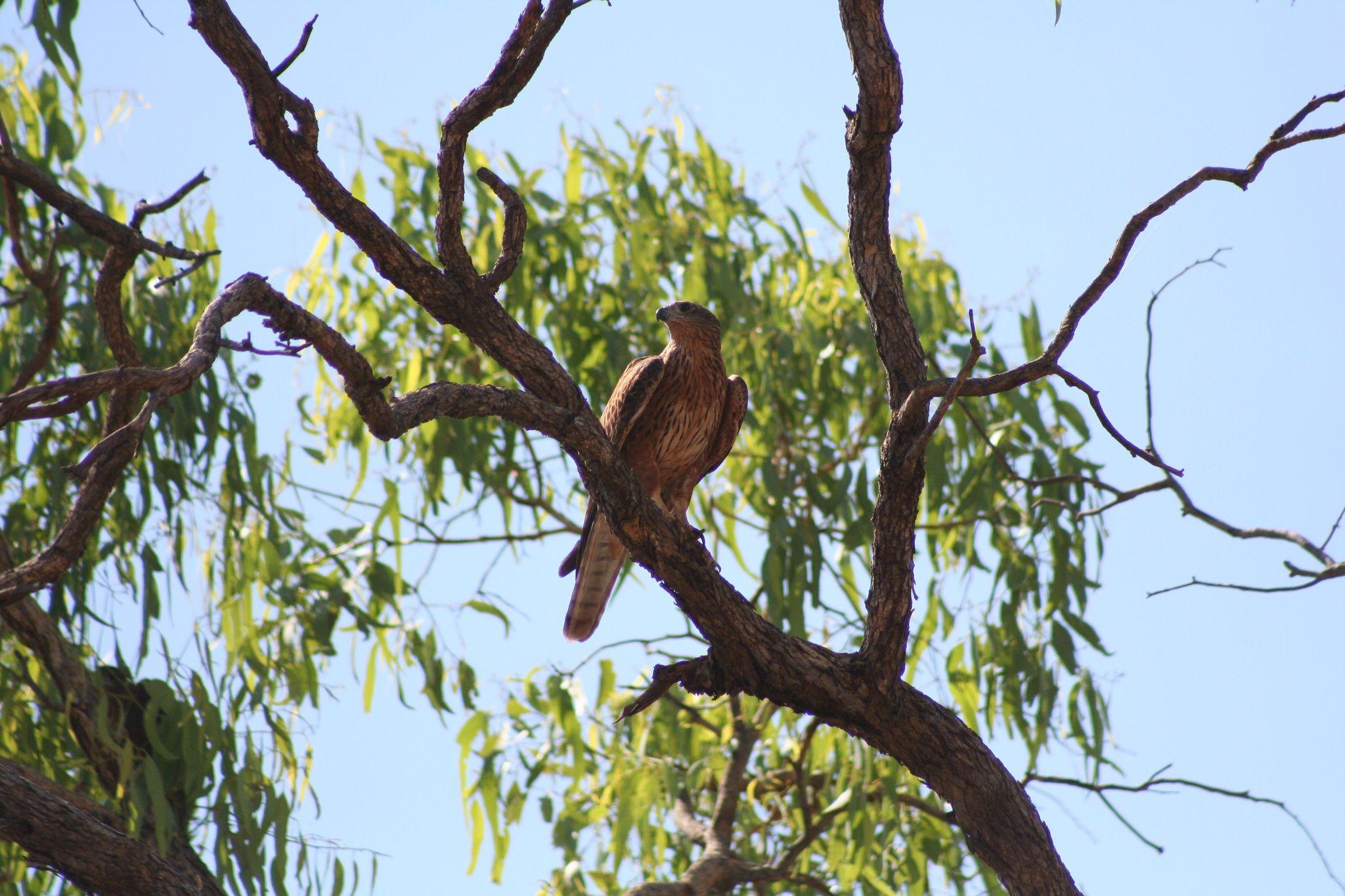
The red goshawk is threatened by habitat loss from clearing. Source: Noel Riessen / iNaturalist CC BY-NC
Media Release
30 April 2026
The Biodiversity Council has called on the federal government to scrap plans to hand national environmental approval powers to states and territories until strong National Environmental Standards (NES) have been developed.
The independent expert group says that for devolution of powers to work, there must be effective and clear rules that states and territories would abide by, but as these are not yet in place, devolution is high-risk and premature.
The warning comes as Prime Minister Albanese yesterday announced $45 million of funding aimed at reaching agreements to hand federal government oversight of national environmental law to states to fast-track development.
If agreements are reached, state and territory governments will be able to greenlight mining, energy and housing projects without a separate Commonwealth assessment of the impacts on nationally significant environmental values such as rare and Critically Endangered species and World Heritage areas.
It follows the recent announcement of a new Memorandum of Understanding between the Commonwealth and Western Australia to develop bilateral agreements under the Environment Protection and Biodiversity Conservation Act 1999 (EPBC Act), aimed at streamlining environmental approvals in that state.
The Biodiversity Council says devolving responsibilities to states was always part of the original design of the EPBC Act, but can only work if backed by strong, clear and enforceable national standards that are consistently applied.
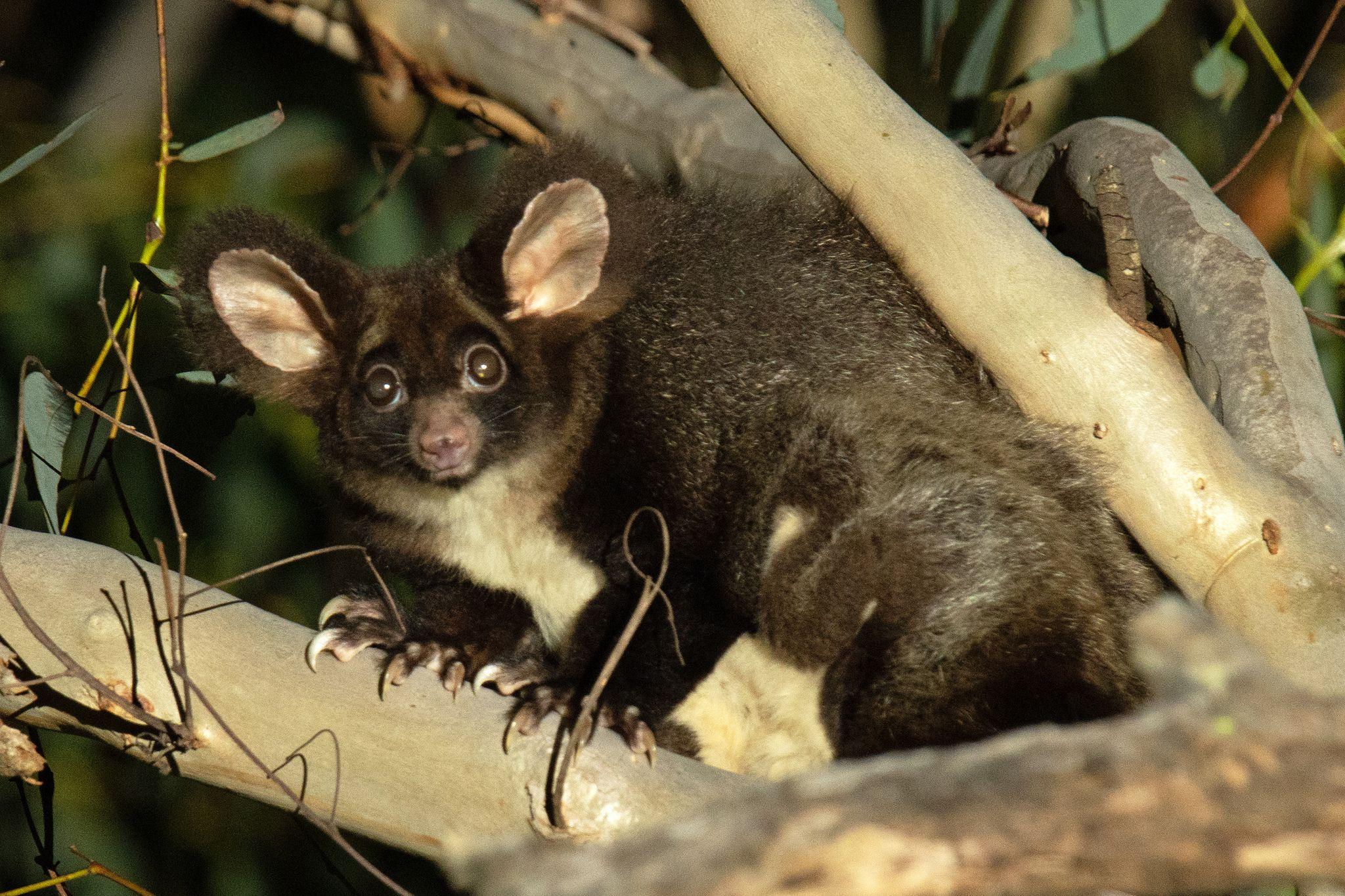
The greater glider is listed as Endangered under our national environmental laws and is threatened by logging and land clearing for developments. Source: Friends of Parks Queensland / iNaturalist CC BY-NC
Biodiversity Council member Professor Jan McDonald from the University of Tasmania said the current approach falls well short of that threshold.
"Commonwealth accreditation of state approvals might work if every state system was subject to clear, binding, objective national environmental standards for protecting our biodiversity and World Heritage places.
“But the standards that have been proposed so far are vague and subjective - they provide no reassurance that every state will act consistently to protect our most important nature values in line with nationally robust benchmarks.
“A devolved system under the proposed bilateral agreements risks reducing transparency, weakening scrutiny and accountability and creating uncertainty about consultation, appeals and compliance.
“Without very clear rules, the pro-development agenda of state governments also creates an obvious conflict of interest in the execution of responsibilities to ensure nationally important environmental values do not decline.”
Biodiversity Council member Professor Nicki Mitchell from the University of Western Australia said the WA and Federal Governments have been moving towards this bilateral agreement since at least 2020 under the Morrison Government.
“There has been significant investment in biodiversity data infrastructure in Western Australia, which will greatly improve the ability of decision makers to understand the cumulative impacts of proposed developments.
“WA may well be an appropriate place to apply more streamlined assessment processes, but only once strong National Environmental Standards are in place.”
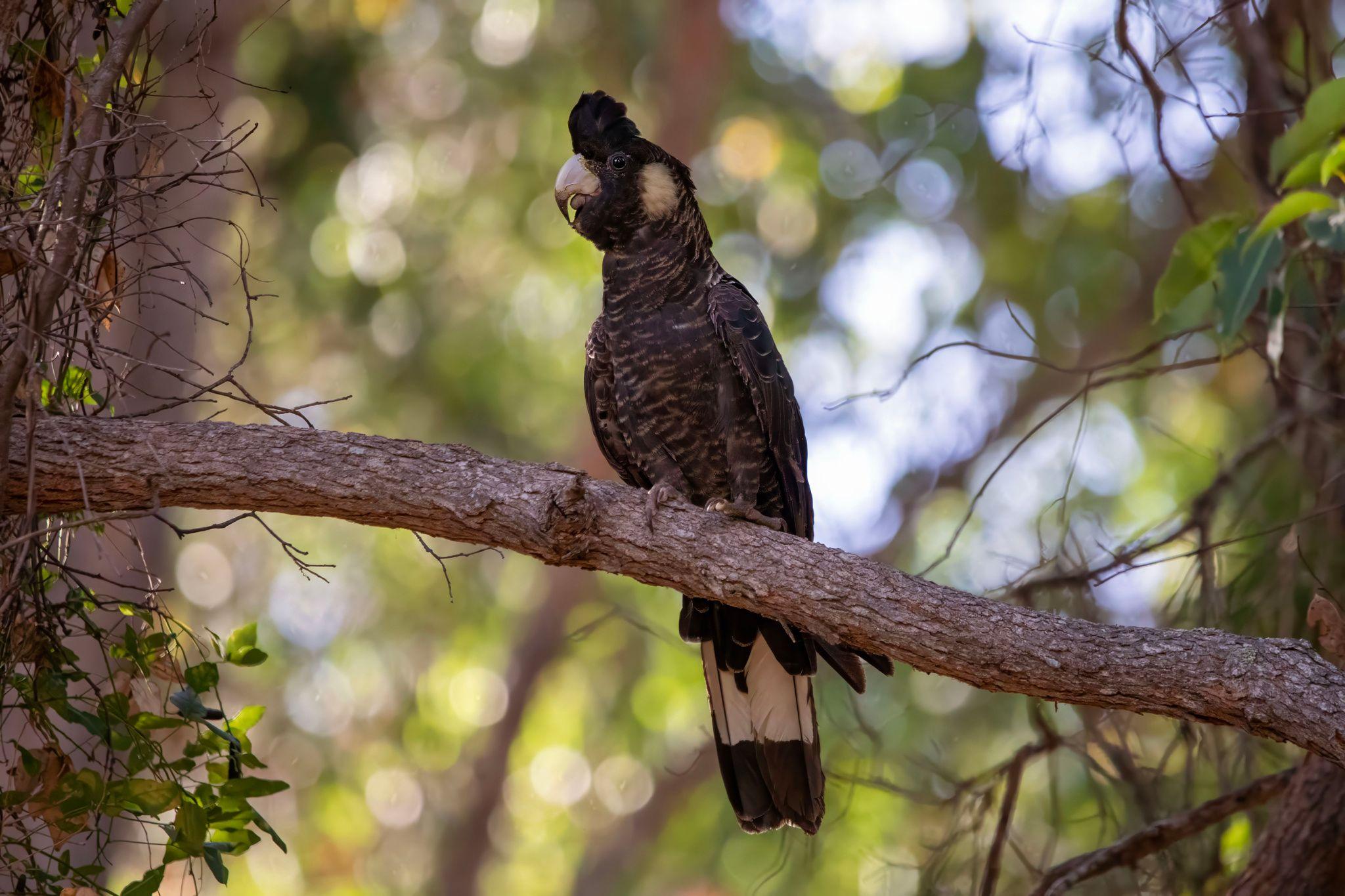
Baudin's black cockatoo is only found in the extreme south-west of WA and is threatened by mining and logging operations. Source: dandm22 / iNaturalist CC BY-NC
Biodiversity Council Policy and Innovation Lead Lis Ashby said that we cannot yet trust states with this responsibility, as past attempts have failed.
“The federal government has handed responsibility for Matters of National Environmental Significance to states before at smaller scales, such as the strategic assessments in Sydney and Melbourne.
“Review after review, including state government self-audits, shows these schemes are failing to meet environmental protection commitments -even when the states set the targets themselves.
“In both Sydney and Melbourne, habitat destruction and development has far outpaced the delivery of promised protection and restoration for threatened species and ecosystems.
“We need stronger federal oversight and enforcement, not for the Commonwealth to take its hands off the wheel."
Biodiversity Council member Professor Graeme Cumming from the University of Western Australia said, “This is putting the cart well before the horse.”
“There is a strong risk that devolving environmental powers to states now would weaken protections for nature at a time when biodiversity is already in rapid decline.”
The Biodiversity Council is calling on the Australian Government to finalise strong, enforceable National Environmental Standards, and to strengthen national oversight, compliance and enforcement before any devolution of decision-making powers.