Join Kai, protect the night sky. Light pollution is stealing the stars and hurting cultural knowledge.
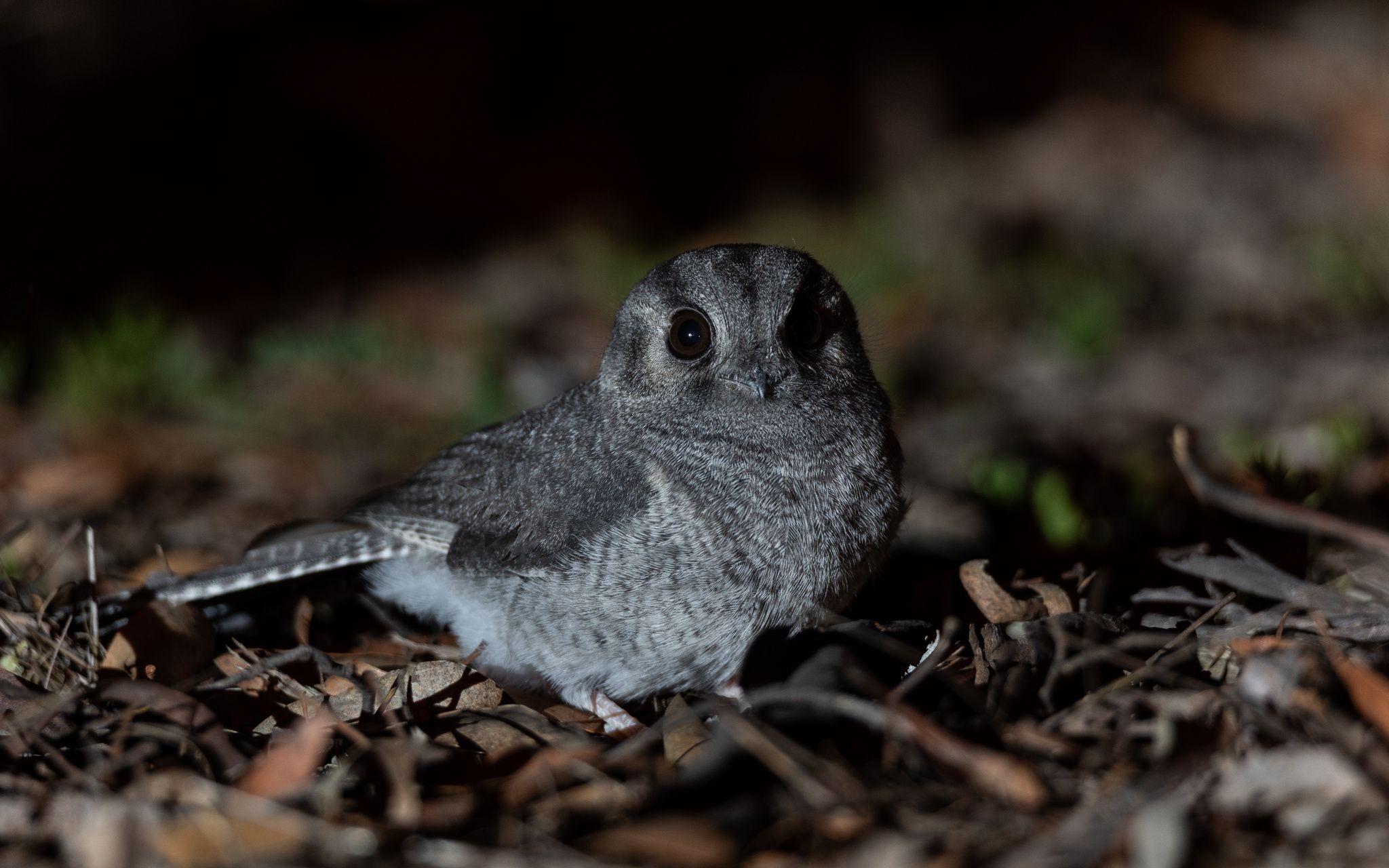
Light pollution threatens many species, including the owlet nightjar, which is a culturally significant totemic species for Barapa Barapa women. Source: Indra Bone / iNaturalist CC BY-NC
News story
14 May 2026
The Biodiversity Council has joined forces with young Indigenous astronomer and ecologist Kai Lane to raise awareness of how light pollution is impacting not just wildlife but also Indigenous cultural knowledge and practices.
“Looking at the stars is becoming a thing of the past in our cities. Our Indigenous astronomy knowledge is at risk due to light pollution - it’s impacting our culture as well as our ecosystems,” says Kai Lane, a proud Yorta Yorta and Barapa Barapa man who is also a Trainee Ecologist at Ecology Restoration Australia.
Artificial light is increasingly drowning out the night sky in Australia’s cities - and with it, a vast body of cultural knowledge that has guided people and ecosystems for tens of thousands of years.
For Kai, the loss of dark skies is more than an aesthetic issue. By drowning out the night sky in Australia’s cities, artificial light is a direct threat to Indigenous knowledge systems and cultural practices, as well as biodiversity.
Indigenous astronomy is not just about recognising constellations. It is a sophisticated, place-based knowledge system that reads subtle cues in the night sky to understand seasonal change, weather patterns and ecological cycles.
“We can predict the weather by looking up at the night skies - not by the constellations, but by the twinkle of a star. It’s like a big database.”
These observations guide sustainable practices. For example, the appearance of a large fish constellation representing the Octogot, or Murray cod, signals a critical time in the species’ life cycle.
“When we see the Murray cod up in the night sky, warmer weather’s approached, the rivers are warm, and Murray cod is laying her eggs. So we’re not allowed to eat Murray cod then. There’s a bit of sustainability in our Indigenous astronomy.”
But this knowledge depends on visibility. When light pollution stops us seeing the stars, it is harder to pass knowledge to younger generations.
“We can’t teach the next generation in our backyard when they don’t have any stars to look at,” he says.
Light pollution also disrupts the animals central to Barapa Barapa culture. The men’s totem, the microbat, and the women’s totem, the nightjar, are both nocturnal species that rely on darkness.
“Our culture is about looking up at the night sky. It’s super important we can teach that without light pollution.”
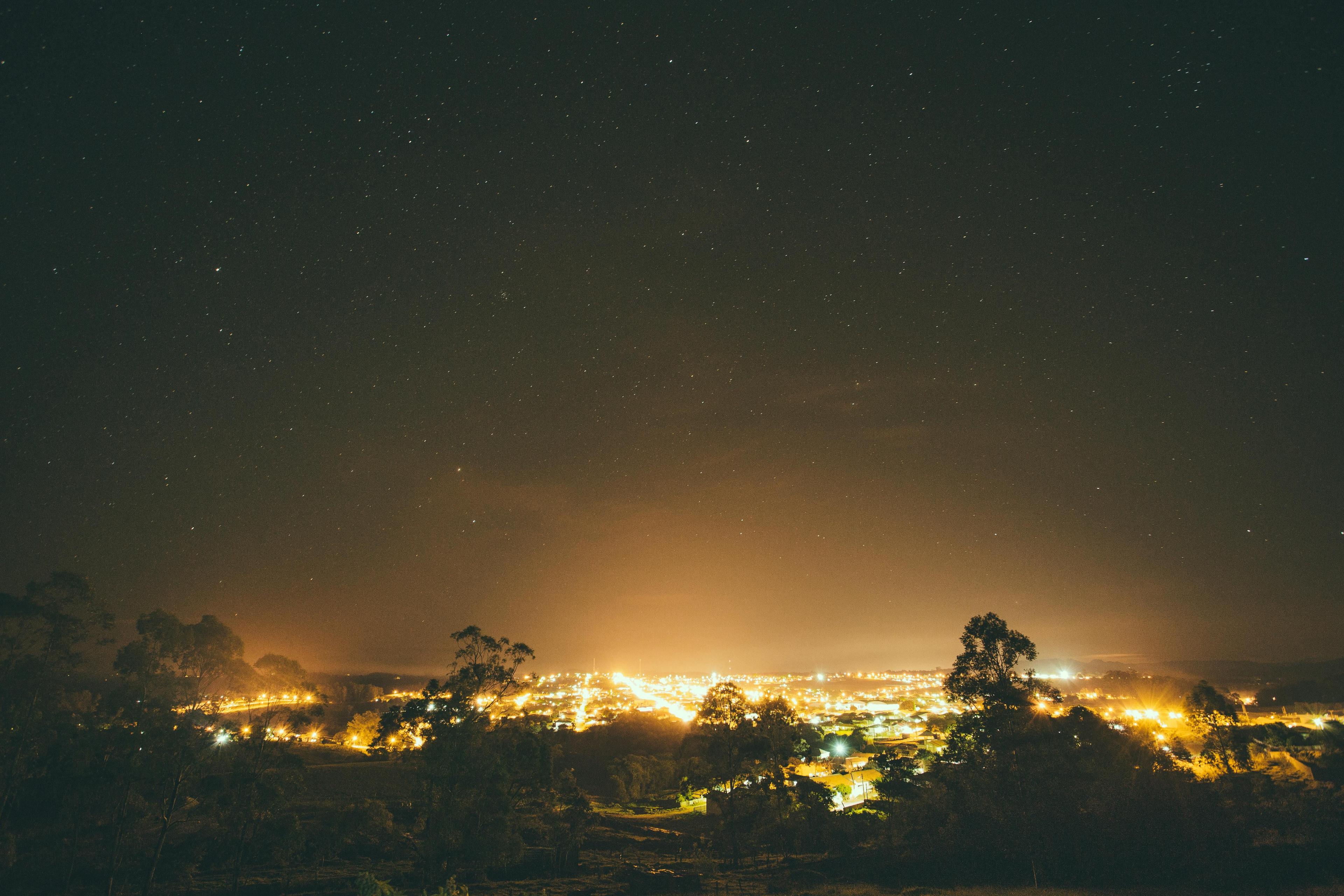
Light pollution is a threat to cultural knowledge, biodiversity and human health. Source: Kaique Rocha / Pexels
As an ecologist, Kai Lane is also concerned about the many ecological impacts of light pollution on native species, like migratory birds, bats and turtles, and flow on impacts on whole ecosystems.
“Protecting the night sky is something everyone can do - for culture, for wildlife, and for future generations,” says Kai Lane.
Easy ways to help
Kai is asking people to join him in taking simple steps to cut light pollution because, while we all contribute to the problem, we also have the power to help fix it, and every bit counts.
Here are his top tips:
- Turn off your outdoor lights, whenever possible.
- Close your curtains so indoor lights don’t shine outside.
- Change outdoor lights to low intensity and warm colours (they are much less harmful than ultra-bight white LED lights).
- Stop lights shining toward the sky or vegetation - use types with shields and direct them only where you need them.
- Consider sensor lights that only come on when needed.
Young Indigenous astronomer and ecologist Kai Lane speaks on 2XXFM about how light pollution is impacting not just wildlife but also Indigenous cultural knowledge and practices. Interview aired 6 May 2026.