How Indigenous knowledge is reframing the way we protect biodiversity

Humpback whales hold cultural value for many Indigenous Australians on the east and west coasts.
For the Yuin people of the southeast coast of Australia, the humpback whale holds cultural significance in the form of lore that creates a binding promise between whales (Gurawal) and people, and ensures reciprocal care.
Gurawal is an example of a culturally significant entity - a species or ecological community that holds cultural value to Indigenous Australians, forming part of their Songlines or other components of cultural knowledge.
There is currently no consistent national definition of a culturally significant entity, meaning they are not treated by policy-makers and conservation practitioners in the same way as other entities, like threatened species. Under Western conservation frameworks, action to monitor and protect a species is typically only triggered once a species is listed as threatened - a threshold that falls short of Traditional Custodians’ obligation to care for culturally significant entities.
In order to develop a meaningful and collaborative approach to managing culturally significant entities, Indigenous researchers, as part of a project with The Resilient Landscapes Hub, set out to establish a consistent definition of culturally significant entities and propose an approach to recognise them in national legislation, policy and strategic-planning mechanisms.
Biodiversity Council Lead Councillor and Indigenous Researcher Dr Teagan Shields from Curtin University, who co-led the project, explains the importance of establishing a national definition and key recommendations for combining Indigenous knowledge and practices with Western approaches to managing Australia’s biodiversity.
Interview with Dr Teagan Shields.
“It's a really important concept to get out there in the broader public because often when we look at our environmental legislation, it protects things like threatened species, migratory species, or other entities that are based on a Western set of metrics - largely due to population and distribution,” said Dr Shields.
“Whereas culturally significant entities can be quite abundant. They can be things that are used every day. They can be things that are missing from place. Our research and definition talks to the connection between Indigenous people and those entities, through Country, Kin and Knowledge - those three spheres that are really embedded in Indigenous values rather than Western science metrics.”
“One of those is a voice to Country. So, making sure that there is a cultural authority at the national decision-making mechanism that is advising directly to the minister who is making decisions about whether a project should go ahead around cultural values.
“We could see this acting across government and particularly around the Indigenous Protected Area and Ranger space, where there isn’t a collective voice informing national decisions on research or priority species/places."
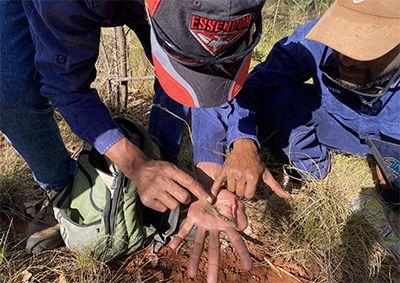
Yawuru Country managers investigating the impacts of fire-mosaic attributes on the occurrence of the greater bilby (Ngarlgumirdi) on the Dampier Peninsula. Source: Harry Moore.
“Another recommendation is to establish Indigenous science teams within government, eNGOs and other organisations, so that Indigenous knowledge can be embedded into recovery plans and other management decisions that are being made.
“Lastly, mob are really concerned about health of Country, but they don’t have a baseline dataset of how culturally significant entities are faring. With threatened species, there’s ongoing monitoring that tracks the health of a population, but for species like the kangaroo, which isn’t on the threatened species list, we don’t have a good idea of what’s happening. Nationally, we think they’re quite secure, but we’re uncertain about place-based locations.”
The Biodiversity Council is calling for the Australian Government to create a legal mechanism for the listing and protection of Culturally Significant Entities under environmental law.
Keep an eye out for some of the products from Dr Shields’ work, including case studies of culturally significant entities, which will be released at the end of the month.
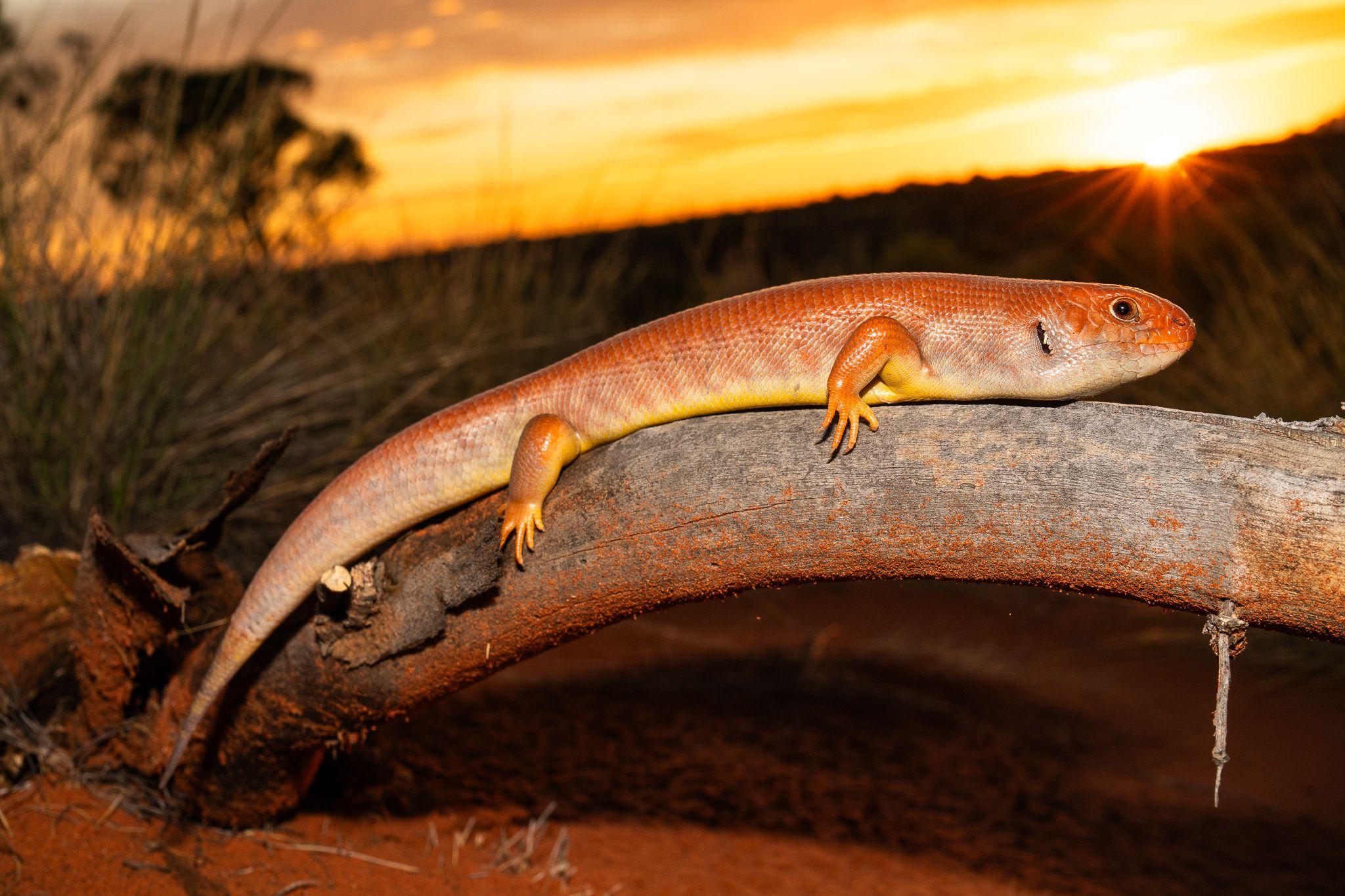
The Great Desert Skink, known as Tjakuṟa to the Yankunytjatjara and Pitjantjatjara people of central Australia, is of great cultural significance to many Indigenous peoples. Source: brother-nature / iNaturalist CC BY-NC.