Federal Govt rewards years of illegal jarrah forest clearing by Alcoa with “national interest” shield
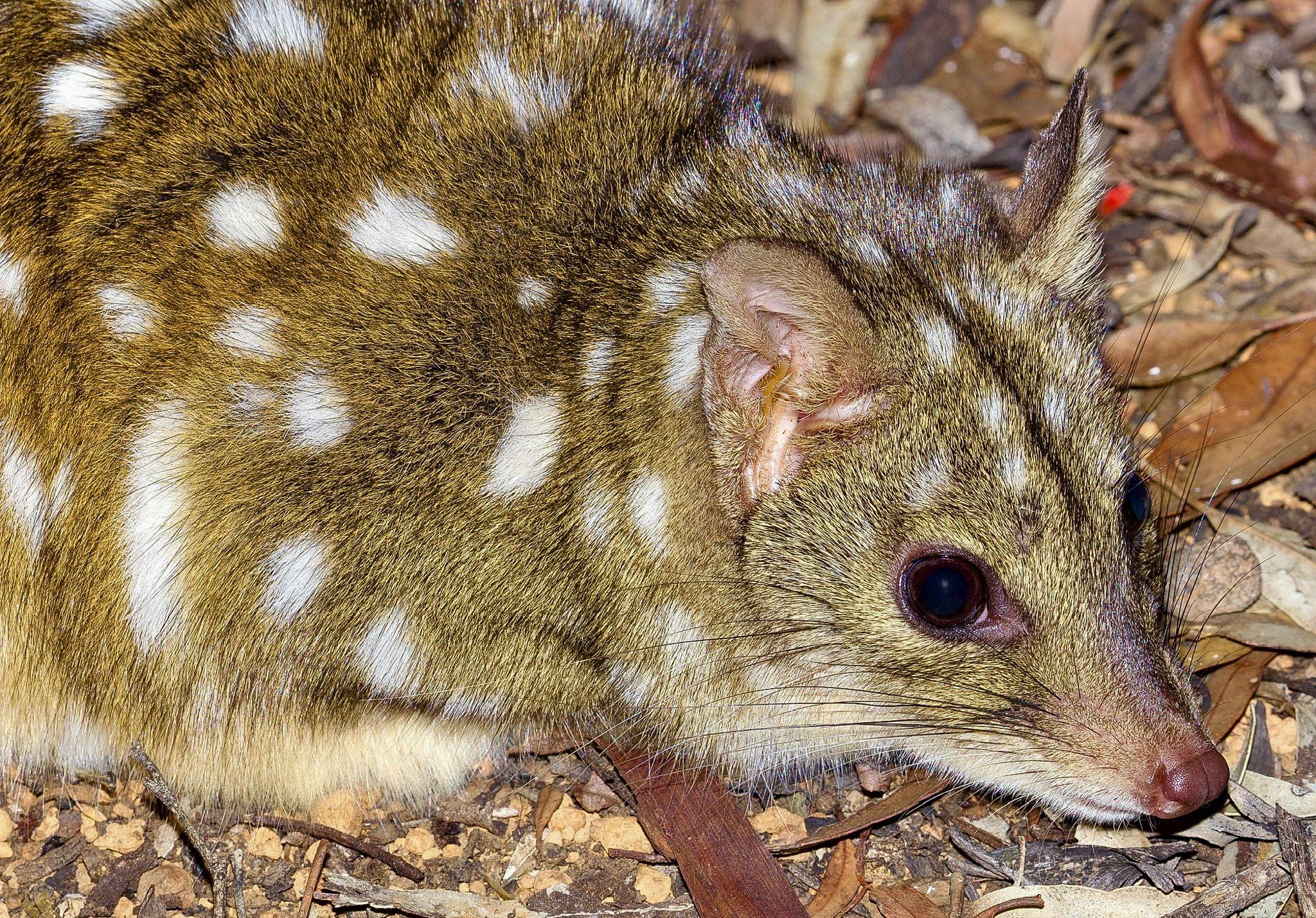
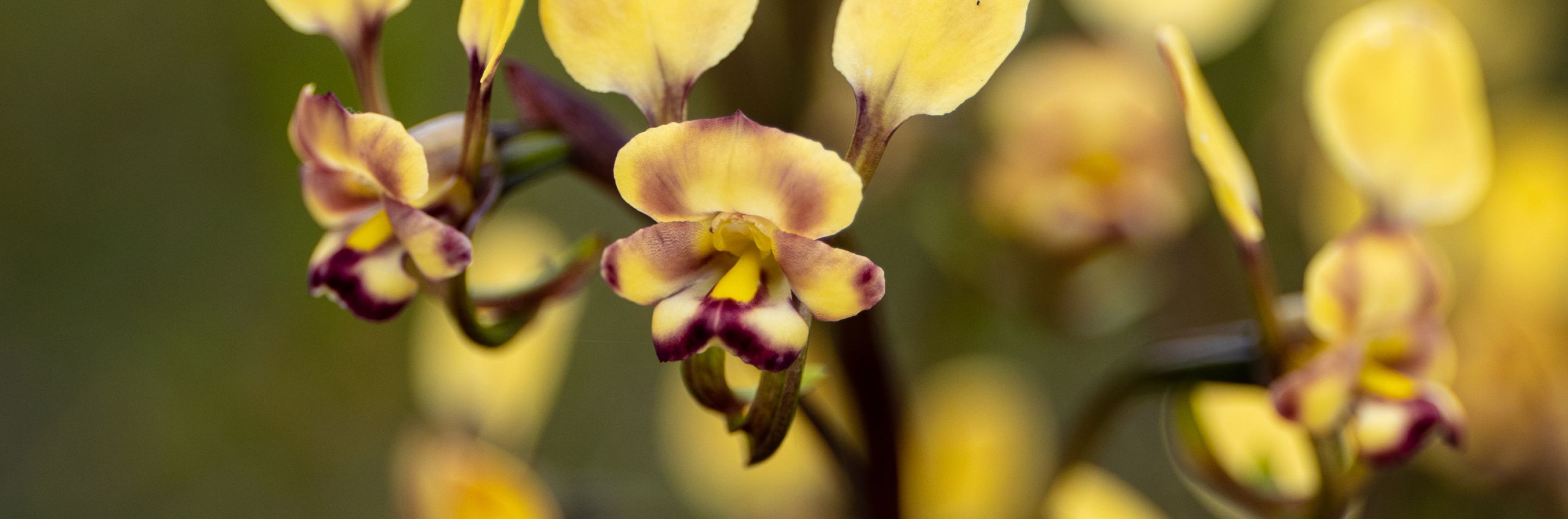
The chuditch is one of many threatened species that inhabits the jarrah forests of Western Australia. Image: axeholmes / iNaturalist CC BY-NC
Media Release
19 February 2026
The Biodiversity Council has raised concern over the Federal Government’s decision to grant a national interest exemption to Alcoa, allowing the American mining giant to continue operations despite years of unauthorised clearing and failed post-mining regeneration.
What’s happened?
Yesterday, Minister for the Environment Murray Watt MP announced that US-based mining giant Alcoa has been illegally clearing Western Australia’s globally unique northern jarrah forests for 6 years as part of its bauxite strip mining operations.
In response, the Australian Government has imposed a $55M ‘Enforceable Undertaking’ requiring the miner to carry out a range of environmental rectification works, including measures for impacted black-cockatoo species.
The Minister has also agreed to progress a strategic assessment agreement with Alcoa to cover future mining operations until 2045 and has granted them a national interest exemption from national environmental law for 18 months, allowing them to continue clearing in the meantime.
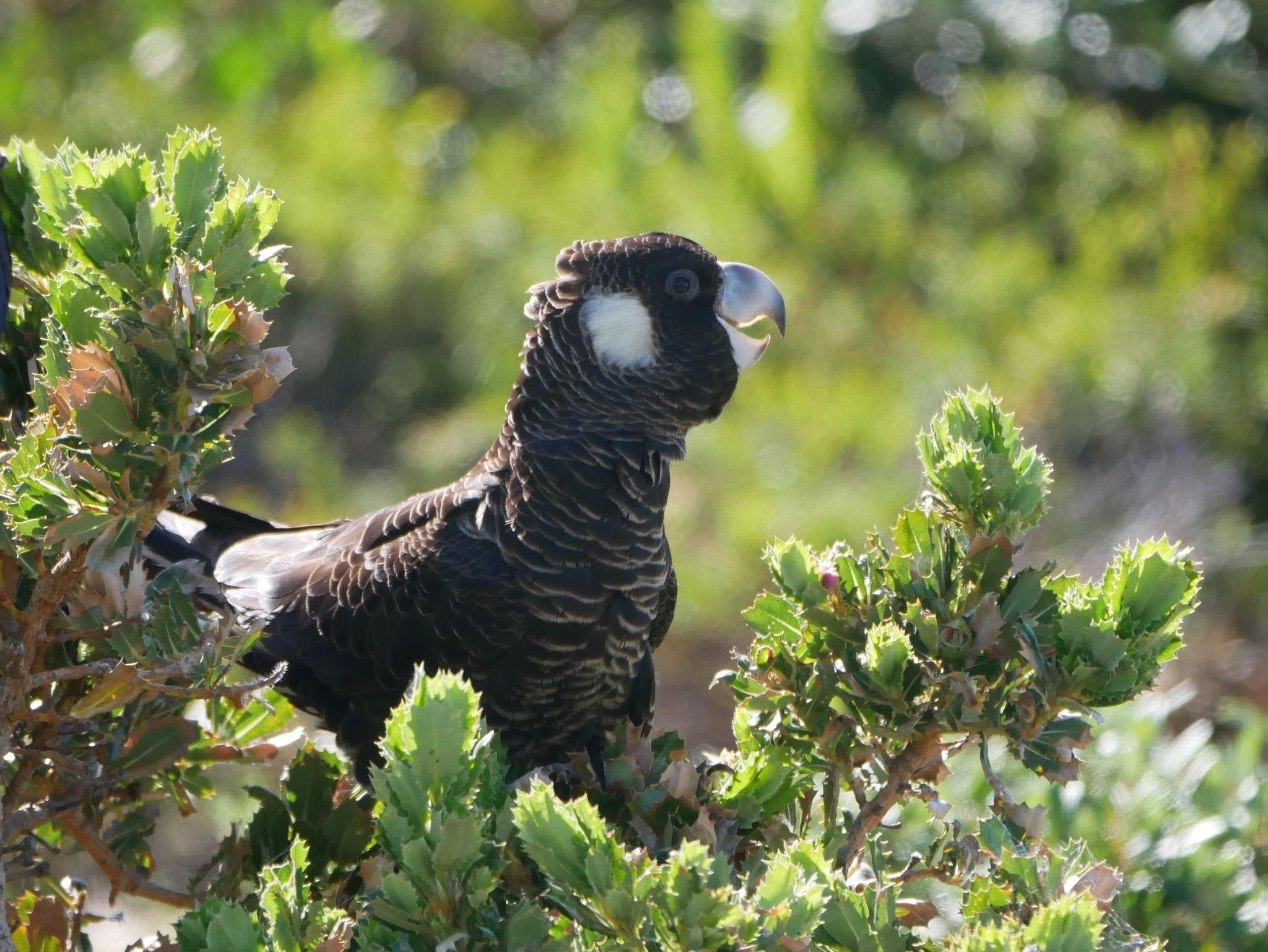
Threatened black cockatoo species are among many native species that have been impacted by the Alcoa's large scale forest clearing to strip mine bauxite. Image: Keith Morris / iNaturalist CC BY-NC
Our response
After reviewing the EPBC Act exemptions register, the Biodiversity Council says this appears to be the first time a commercial activity has been granted an exemption on economic grounds since the Act commenced in 2000.
Lis Ashby, Biodiversity Council Policy and Innovation Lead, said “The $55 million enforceable undertaking - while framed as a record penalty - represents less than 0.5% of Alcoa’s 2025 revenue and may not even exceed what they would have spent on environmental rectification and offsets had they sought approvals.
“This ‘penalty’ may therefore not be a significant deterrent to giant corporations like Alcoa; they may simply factor it into the cost of doing business.
“The national interest exemption was intended for matters of emergency response, defence, and national security, not as a convenience for resource companies committing environmental offences.
“The Minister can talk up the potential benefits of a strategic assessment, with promises to consider cumulative impacts, but nationally, we are seeing that strategic assessments lack transparency and are not enforced.
“For example, an audit of the Melbourne Strategic Assessment highlighted major failures, yet there has been no enforcement or consequence from the Australian Government.
“These are not minor breaches but long-term failures to deliver on the most fundamental commitments of the agreement to compensate for the environmental destruction that the strategic assessment facilitated.
“For example, only one quarter of the land required to establish one key conservation reserve and none of the land required for a second had been acquired 16 years after the conditions were set and six years after the deadline passed.
“The government must stop prioritising the "operational certainty" of a foreign corporation over the survival of our unique biodiversity.”
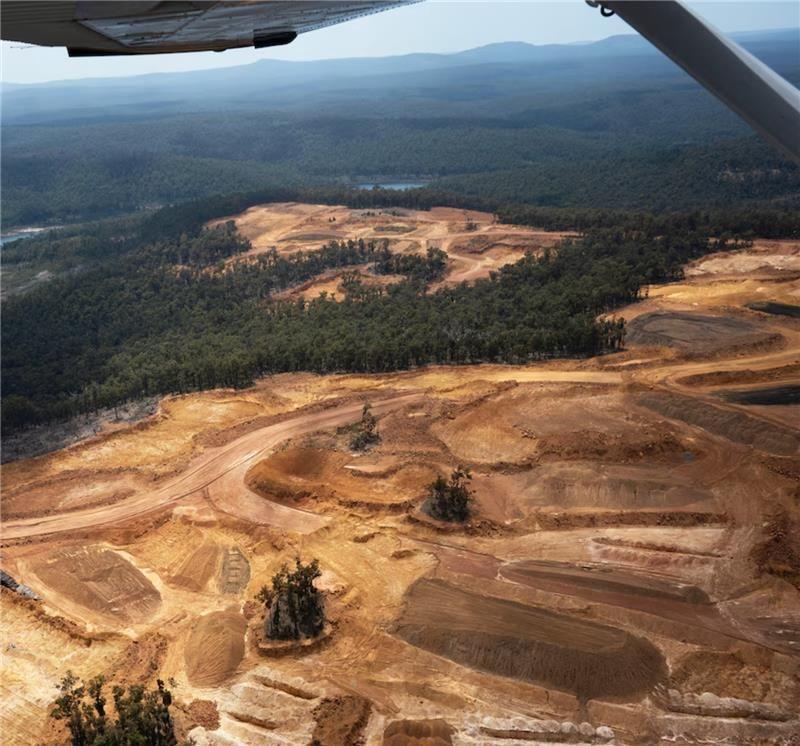
View of a small part of Alcoa’s bauxite strip mining operations in Western Australia’s globally unique northern jarrah forests. Image: Miles Tweedie, ABC News
Biodiversity Council Lead Councillor Professor Hugh Possingham, said, “Over 59,000 people made submissions objecting to Alcoa’s expansion. It is clear that the public does not want to see Western Australia’s environment sacrificed for international profit.
“In August 2025, we urged the Western Australian Environmental Protection Agency to refuse Alcoa’s proposals that would clear 11,617 hectares of the Northern Jarrah Forest.
“Alcoa’s restoration activities have failed to deliver ecosystem recovery and are not compensating for the significant negative impacts of clearing and fragmentation.
“A 2024 independent evaluation of 35 years of Alcoa’s restoration efforts awarded it a dismal two out of five stars, finding that most plant species were effectively absent from restored areas.
“The American industrial giant has been strip-mining Western Australia’s globally unique jarrah forests for sixty years, leaving them highly fragmented and at greater risk from disease and climate change.
“Let’s not pretend that we can keep degrading and slicing up the best remaining areas of biodiversity in Australia for a profit and everything will be fine if we get the paperwork right.
“Our national environmental laws are intended to leave our environment in a liveable state for future generations, but since they were enacted, population sizes of threatened species have halved.”