How to choose sustainable seafood and support healthier oceans
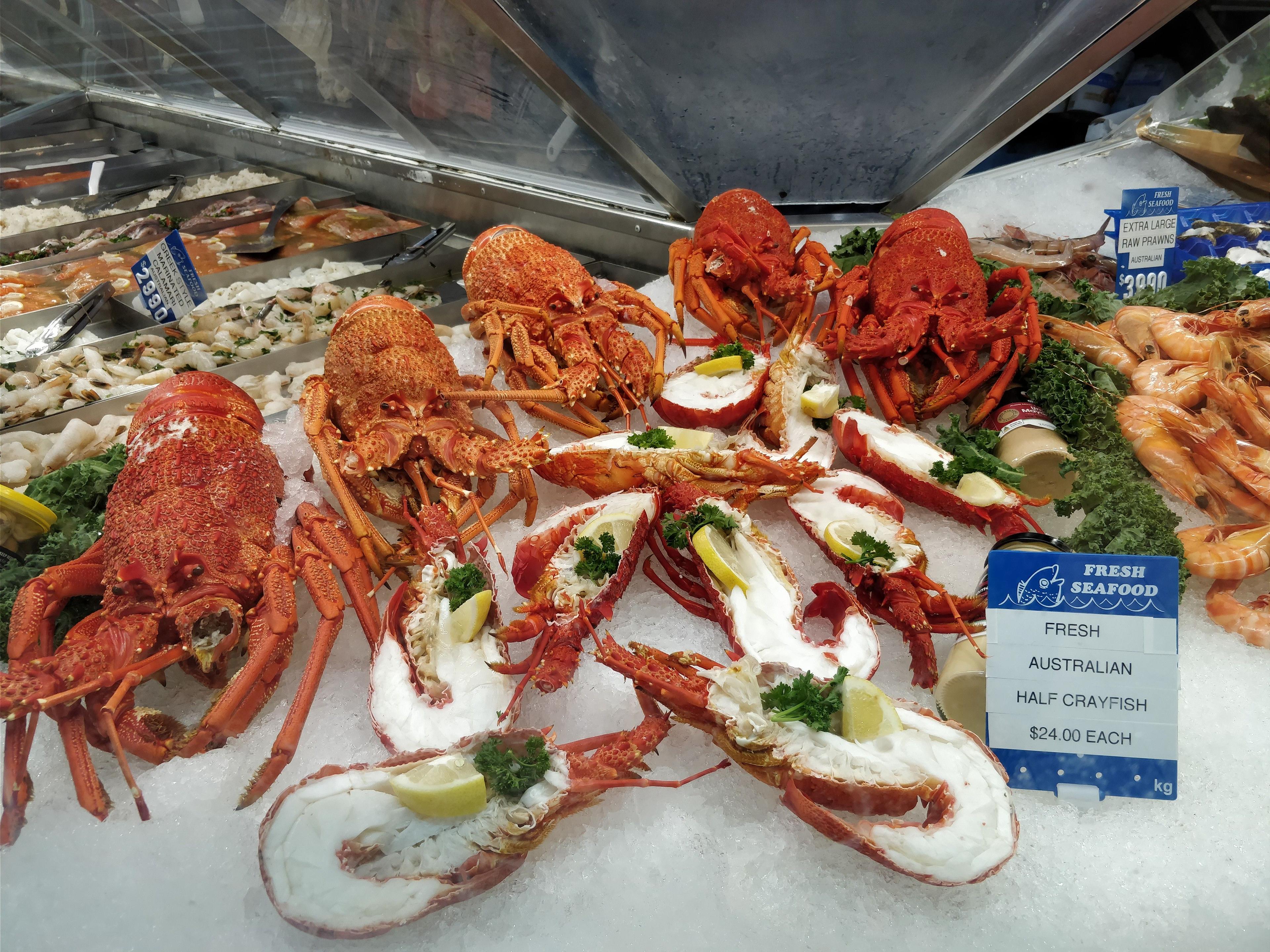
Source: Alpha / Flickr CC BY-NC 2.0
Australians love seafood. So much so that consumption has doubled since the 1960s. And it is no wonder why – seafood tastes great, is rich in nutrients and even has a lower carbon footprint than chicken.
But the booming demand for seafood is increasing pressure on marine populations, making sustainable choices more important than ever.
For Miss Earth 2024 and environmental journalist Jessica Lane, life has revolved around the ocean – from fish and chips on the beach to Christmas prawns. She shares why small choices at the supermarket can help support healthier oceans, so Australians can continue to love seafood for generations to come.
When buying seafood, it can be difficult to know where it has come from and whether it has been farmed or caught sustainably.
“Around 70 percent of the seafood Australians eat is imported, making transparency more important than ever,” said marine and coastal conservation expert Assoc Prof Carissa Klein from the University of Queensland.
Australia imports most of its seafood because domestic production cannot keep pace with the growing demand. But trade partners tend to have less stringent sustainability, biosecurity and food safety controls than Australia, and there is little transparency on where, when and how seafood is caught or farmed.
By world standards, Australia has many well managed fisheries, and the 2024 Status of Australian Fish Stocks (SAFS) Report prepared by the Fisheries Research and Development Corporation found that 63% of Australian fisheries stocks are sustainable, but 11% were assessed as depleted or depleting, 3% were recovering and many lacked data for an assessment. (You can look up individual species and stocks here)
With domestically-produced seafood, the environmental impact can differ based on individual sites or companies and the species that are being harvested.
So how can consumers make the right choice?
One way to choose sustainable seafood is to use Goodfish; Australia's sustainable seafood guide which is available as an online guide or app, and another simple option is looking for the MSC or ASC certifications on seafood products.
“Making a difference for our oceans can be simpler than many people realise, with one small choice at the checkout– looking for sustainably certified seafood,” said Jessica.
With more than one-third of global fish stocks estimated to be fished at unsustainable levels, certification programmes have been developed to ensure farmed and wild-caught seafood meet globally recognised sustainability standards.
Organisations like the Marine Stewardship Council (MSC) and Aquaculture Stewardship Council (ASC) run independent certification programmes to provide transparency on seafood sustainability to consumers.
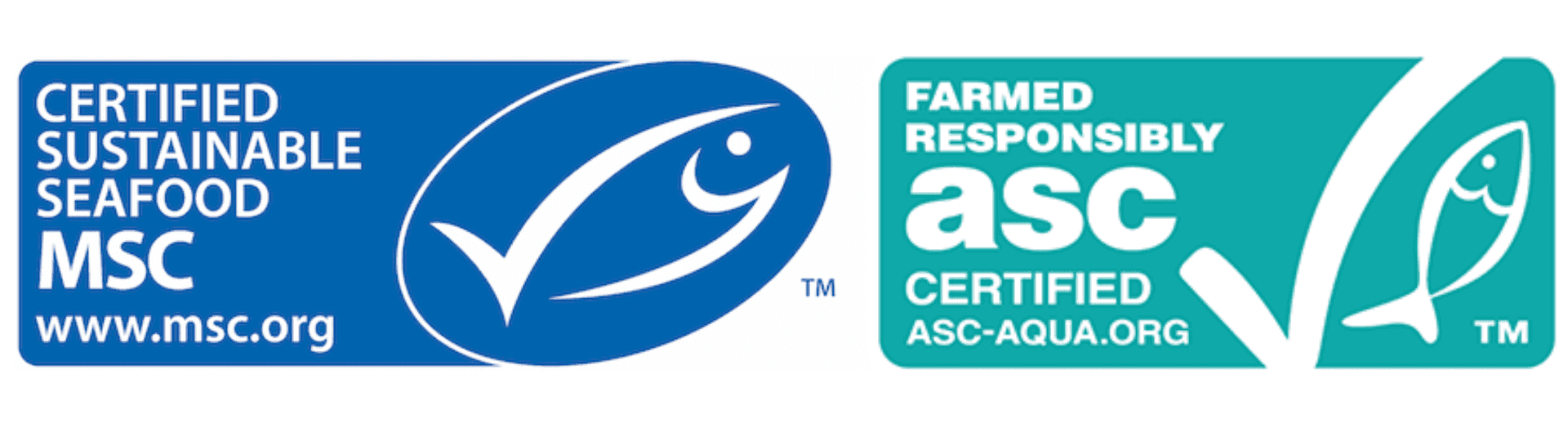
MSC’s programme focuses on wild-caught fish, with the goal of ending overfishing and restoring fish stocks for future generations. ASC’s programme looks at farmed seafood, ensuring that animal welfare is prioritised, feed is responsibly sourced and the environment is protected.
“When you're going to buy seafood, fish and chips or going to the supermarket, look for the MSC blue tick that means it’s Marine Stewardship Council Certified seafood and you're more likely to get something that's sustainable,” said Assoc Prof Klein.
The tick tells you the product came from a sustainable fishery, but does not consider other sustainability factors like how far the product has been transported. For this reason, many seafood buyers also apply their own judgement regarding food miles when choosing between different certified fish products, for example by reaching for certified fish from Australia or New Zealand rather than Norway.
Join Jessica in choosing seafood with the MSC blue tick or ASC certification to help support healthier oceans and marine biodiversity.
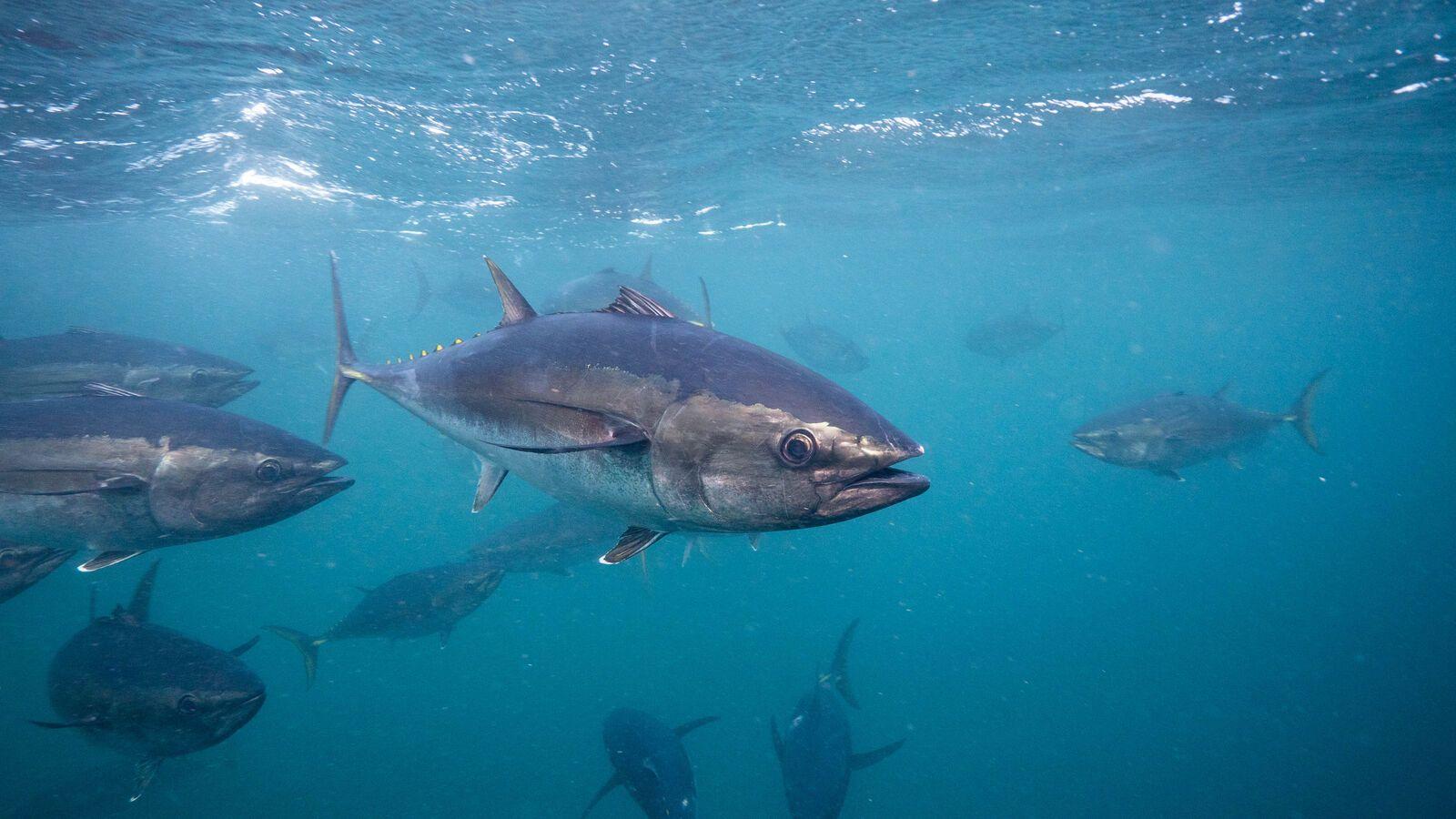
Southern bluefin tuna. Image: Stefan Andrews, courtesy Great Southern Reef Foundation