As bird flu kills Australian wildlife, experts ask Minister to back resilience claims with evidence
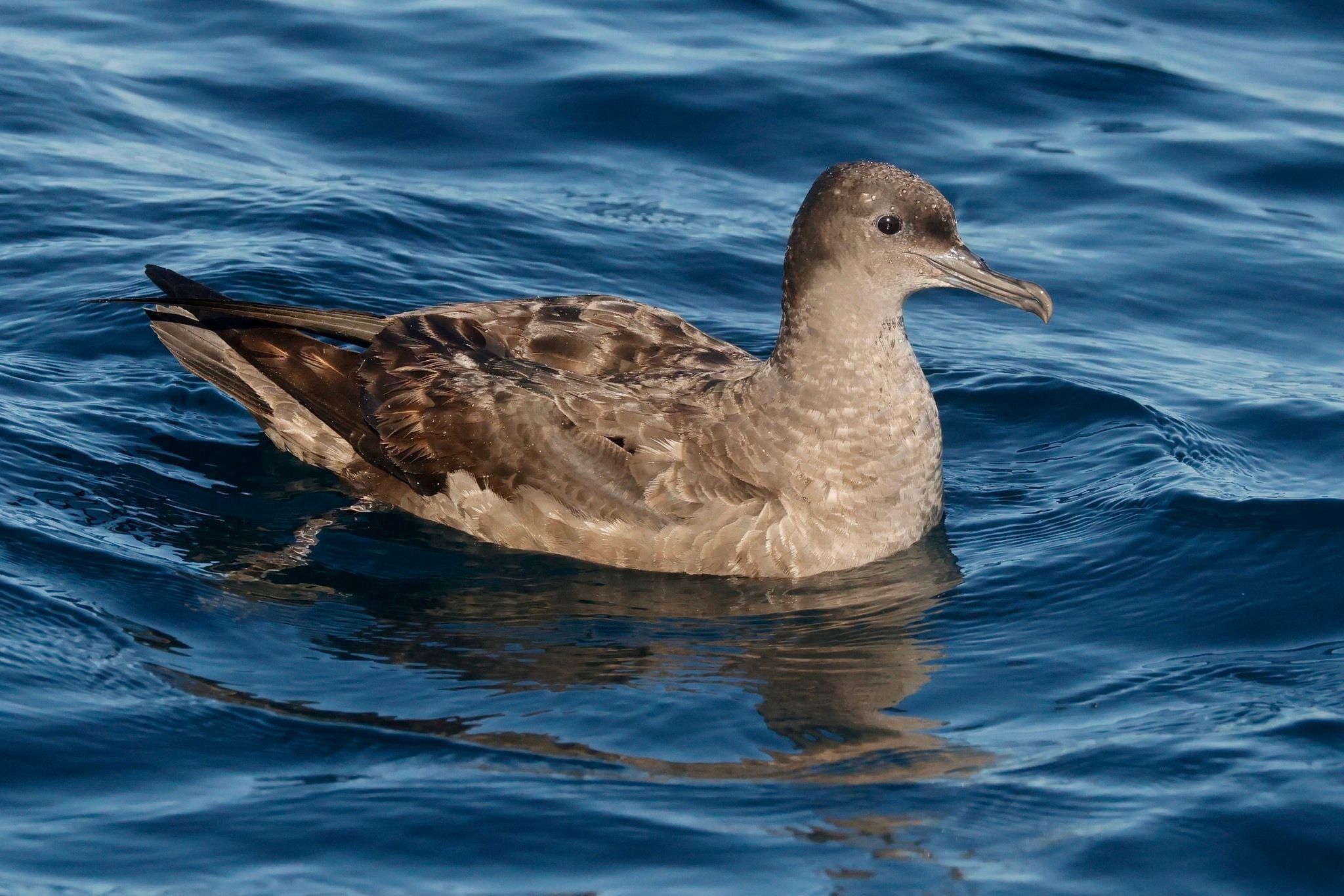
H5 Bird flu poses a risk to the sooty shearwater. The species has breeding grounds on islands off New South Wales and Tasmania and is also found in Queensland, Victoria and South Australia. It often forms large gregarious flocks when feeding and moving. They are listed as Vulnerable to extinction under Australia's environmental law because of large reductions in the number of breeding pairs across Australia since the 1970s. Image: John Bruin CC-BY-NC iNaturalist
Media Release
3 August 2026
As H5 bird flu begins killing wildlife across southern and eastern Australia, the Biodiversity Council is asking Environment Minister Murray Watt to publicly substantiate his claim that Australia's most vulnerable birds and mammals have been strengthened through two to three years of government investment.
The call follows the Minister's announcement that the Government had been "building up the resilience of the populations of our native birds and mammals... investing in those populations to make sure they are as strong as possible for the impact of H5 bird flu."
Biodiversity Council scientists welcome all investment in biodiversity conservation, but have seen no publicly available evidence that clearly documents specific investment to mitigate the impacts of H5N1. They are calling on the Government to release details of the conservation work undertaken, where it occurred, which species benefited, how the investment went above and beyond “business as usual”, and what evidence demonstrates it improved their resilience.
"If Australia's wildlife is better prepared for H5 bird flu because of recent investments, we ask Government to report to Australians exactly what has been done and what difference it has made”, said Biodiversity Council Lead Councillor Professor Hugh Possingham from the University of Queensland.
"Australia has 183 waterbird species, including 149 that congregate in large numbers and are therefore at greater risk of mass outbreaks. We also have 10 species of seals and sea lions that could be severely affected.
"A handful of projects would not justify a claim that Australia's wildlife is broadly better prepared for a threat of this scale.”
“The vast majority of conservation needs go unfunded, so we are asking the government to be transparent about how species, locations and actions are being prioritised, and how the outcomes are monitored and reported.
“Australians deserve to know what has already occurred and also what is planned for the future. The full detail of the risk analysis and response plans that have been undertaken should be released.”
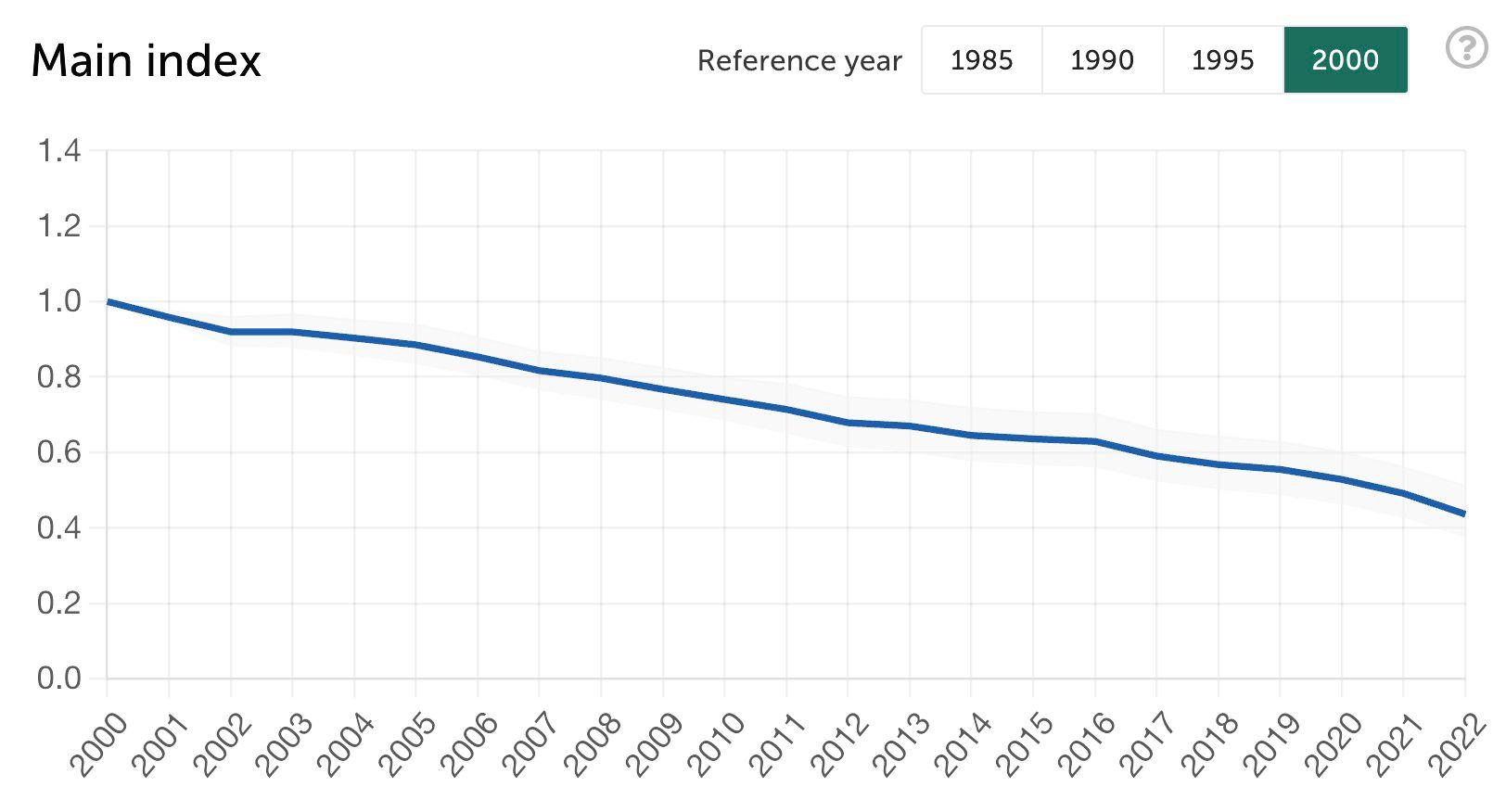
National monitoring data reveals steady declines in the size of Vulnerable and Threatened shorebirds which are one of the most at-risk wildlife groups from H5 bird flu. Average population sizes in 2022 were less than half of year 2000 sizes. 2022 is the most recent year for which data is available. Source TSX.org.au
Professor Sarah Bekessy from The University of Melbourne and Biodiversity Council Lead Councillor said the Australian Government is responsible for decades of decline in Australian birds, due to lack of investment.
“One in six native bird species is now threatened with extinction, while threatened bird populations have, on average, halved since 2000. The Minister has no credible basis to claim our birds are in a great state,” said Professor Bekessy.
“While this deadly strain of bird flu has spread globally, federal budget papers show government investment for on-ground conservation has stagnated, with nature care receiving just 0.06% of the budget in recent years. Meanwhile, federal government investment in nature-harming activities is 50 times higher.
“Federal funding for on-ground conservation must increase; otherwise, bird flu resilience and recovery projects will divert funding from other urgent conservation work.”
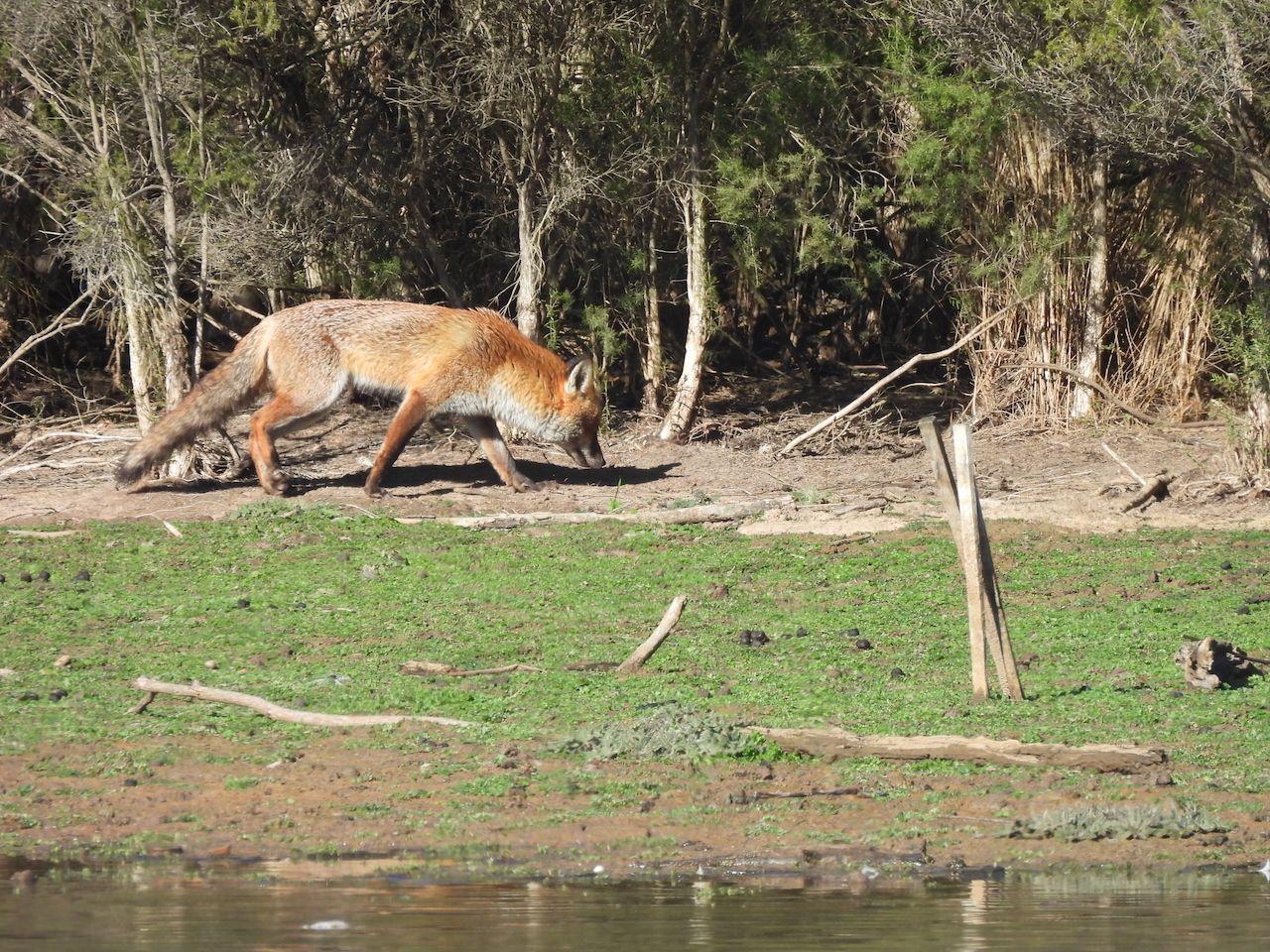
Investment to control invasive species like foxes is likely to be a key activity used to help the native birds and mammals that are at greatest risk from H5 bird flu. Fox image: Kim Tarpey iNaturalist CC BY-NC
Reducing other manageable threats to wildlife can reduce losses of bird flu survivors to other causes, according to Professor Euan Ritchie from Deakin University, a Biodiversity Council Councillor and President of the Australian Mammal Society.
“Controlling feral cats, pigs, foxes and non-native rats and mice will likely improve ecosystem resilience and help wildlife populations recover.
“However, how and where invasive animal control programs are conducted is critical to whether they deliver meaningful longer-term benefit and a good return on investment. Government needs to set specific targets for population reductions of invasive species and increases in native wildlife, and then sufficiently monitor and report against outcomes.
“For example, if your fox control program is not adequate in area, intensity and duration, you may kill some foxes but not enough to stop them killing native animals and fox numbers will also quickly rebound.
“Furthermore, we should also acknowledge that H5N1 is likely to kill invasive animals such as foxes, cats, pigs, and non-native rats and mice preying and scavenging on sick or dead native wildlife, and hence, management actions should consider these complexities and pros and cons before intervening.”
The Biodiversity Council is renewing its call for the Australian Government to invest an additional $200 million over two years to strengthen the resilience of at-risk wildlife, expand targeted surveillance and monitoring, accelerate recovery planning for vulnerable species, work in partnership with First Peoples, and publicly release response plans. These activities will enable governments, researchers and conservation groups to coordinate efforts more effectively.