New analysis reveals NSW land clearing laws are failing native species
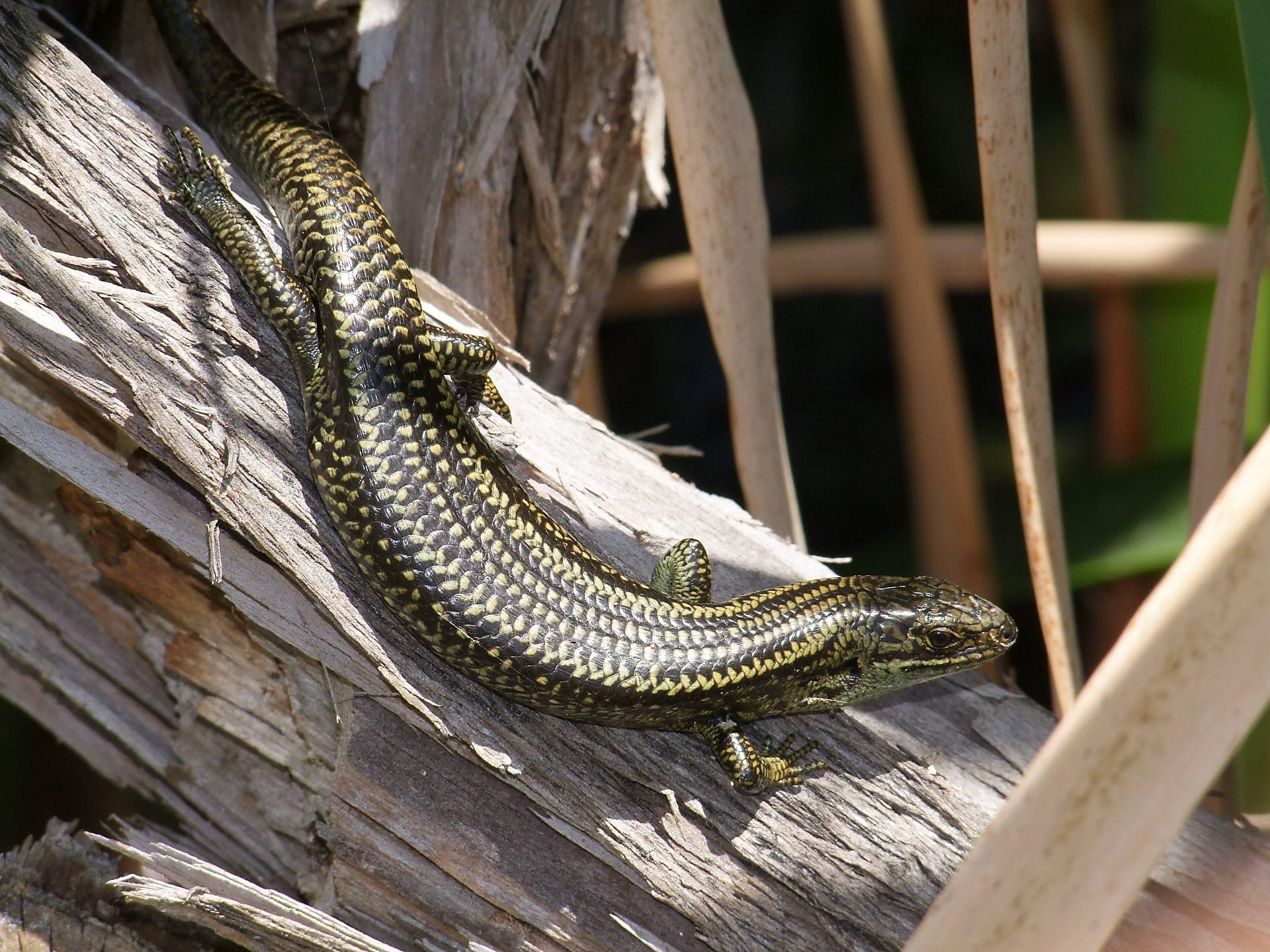
The endangered eastern mourning skink (Lissolepsis coventryi) was one of 12 nationally threatened species that had more than 5% of their likely NSW distribution cleared. Image: Reiner Richter / CC BY-NC-SA iNaturalist
News story
6 March 2026
New research led by the Wentworth Group of Concerned Scientists adds further evidence for urgent reform of NSW’s intersecting conservation and land management laws after revealing ongoing land clearing in high biodiversity value areas, including threatened species habitat.
For the first time, scientists have published a detailed analysis that compares cleared areas in NSW to the likely location of threatened plant and animal species.
About the research
“We wanted to understand how native vegetation clearing in NSW is affecting key biodiversity values recognised in legislation, including threatened species, ecological communities, and riparian ecosystems,” said Wentworth Group CEO and co-author Dr Celine Steinfeld.
“The NSW government tracks annual changes in native vegetation using satellite footage.
“By using this data, we could look at where land clearing had occurred in NSW between 2010 and 2023, and overlay it on top of available maps of threatened species distributions”
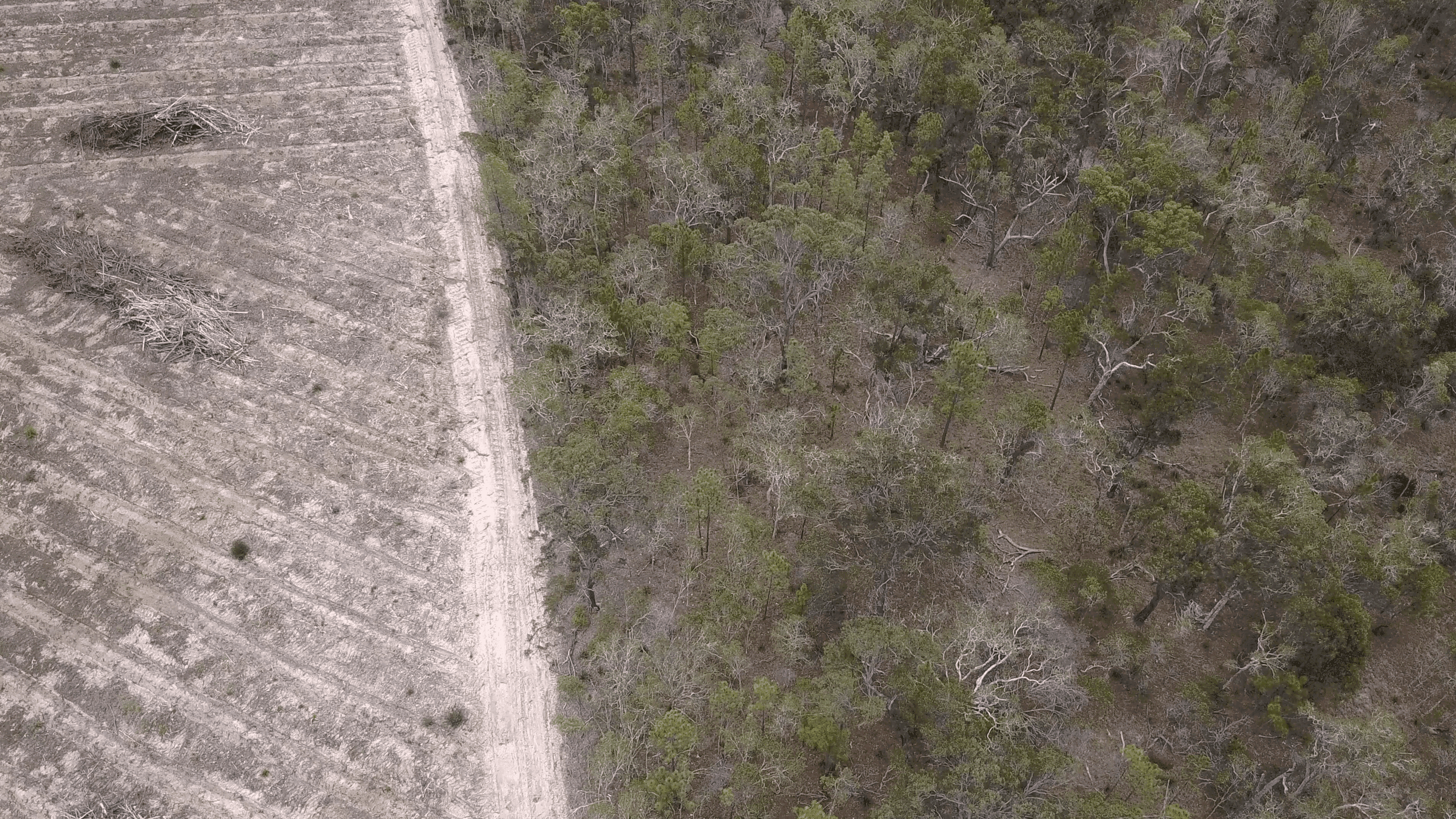
Land clearing is one of the greatest threats to plant and animal biodiversity in NSW. Image: Nicolas Rakotopare
Key findings
The analysis found that between 2010 and 2023:
- More than 670,000 hectares of native vegetation was cleared in NSW.
- More than 33,000 hectares of riparian areas were cleared across NSW.
- More than 700 species listed as threatened or migratory under national environment law, the Environment Protection and Biodiversity Conservation Act 1999, are likely to have occurred in the areas now cleared.
- For at least 12 threatened species, more than 5% of their total mapped NSW habitat is likely to have been destroyed.
“Our findings reflect the limits of NSW legislation to protect some of the state’s most iconic and rare species of plants and animals. Despite important efforts made to map areas of high biodiversity value they are still being cleared,” said Dr Steinfeld.
Current opportunities before the NSW Government
In 2023, an independent review of the NSW Biodiversity Conservation Act (BC Act) concluded the law was failing to meet its purpose to maintain a healthy, productive and resilient environment. While the NSW Labor Government responded with a bold commitment to fix the BC Act, only modest changes were proposed for the Local Land Service Act under which most land clearing occurs.
“NSW is on an extinction path for native species. Overlapping laws in the Biodiversity Conservation Act and Local Land Services Act are failing to protect biodiversity,” said Professor Richard Kingsford from the University of New South Wales who is a member of the Wentworth Group and also the Biodiversity Council.
“We know that most of the biodiversity in NSW is on private land and that it would be impossible to achieve nature conservation without addressing both Acts.”
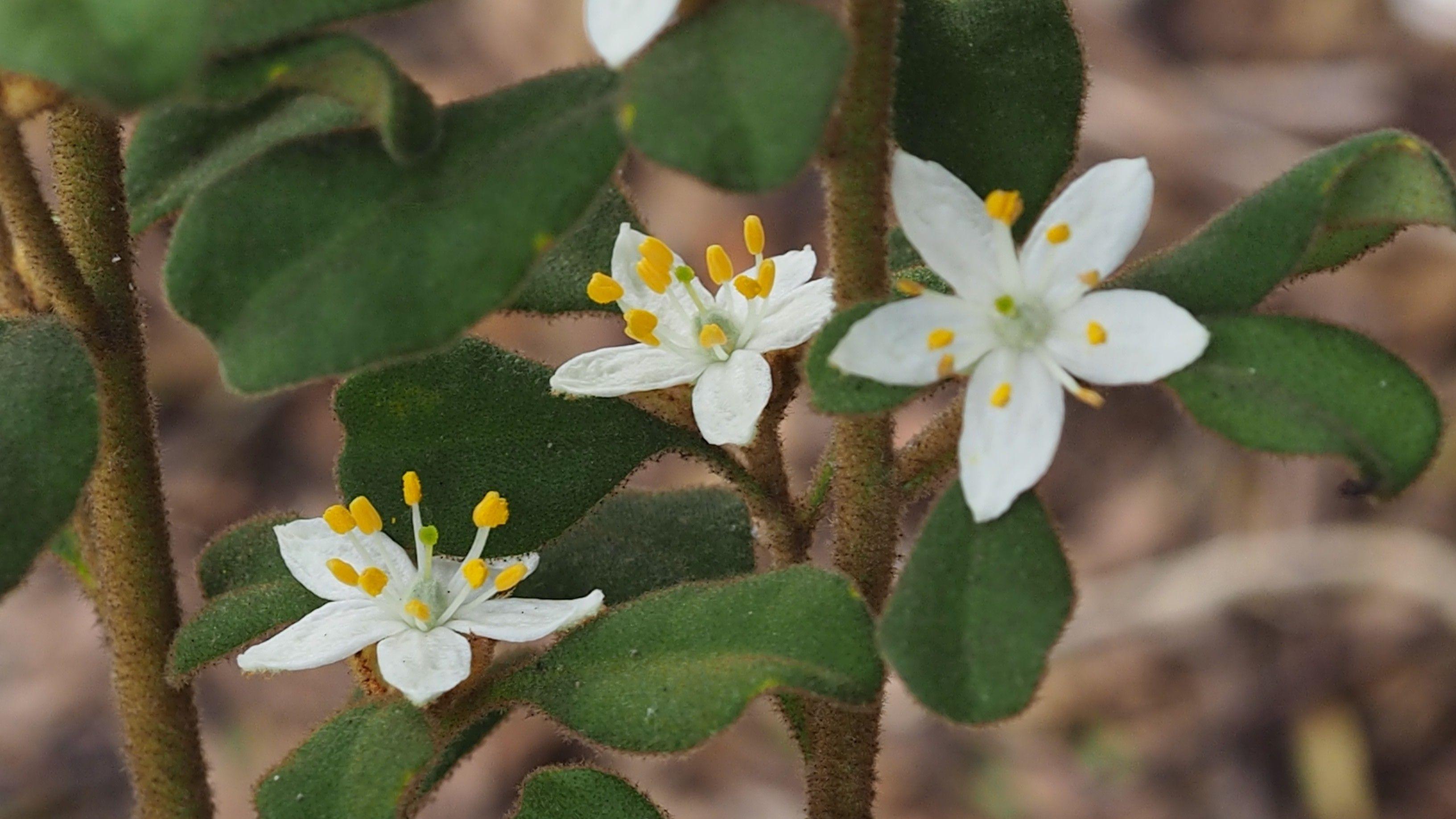
The highly localised, critically endangered Dungowan starbush (Asterolasia beckersii) was one of 12 nationally threatened species that had more than 5% of their likely NSW distribution cleared. Image: Geoff Derrin / CC BY-SA 4.0 Wikimedia Commons
While successive NSW State of the Environment Reports have recognised land clearing as a major threat to native vegetation and biodiversity, the understanding of where these impacts are occurring has remained limited until now.
Emerita Professor Lesley Hughes from Macquarie University who is a member of the Wentworth Group and also the Biodiversity Council said the seriousness of the findings should not be underestimated.
“While these areas of high value biodiversity that have been cleared make up only a small fraction of the landscape, they account for some of the most ecologically critical losses. At what point does clearing become ‘unacceptable’ for our most vulnerable ecosystem and species?
“This is NSW's opportunity to take a leadership role on international and national commitments to ‘nature positive’”
The Wentworth Group of Concerned Scientist recommends that, to protect nature, the NSW Government should improve its environmental monitoring, and:
- Safeguard NSW’s irreplaceable biodiversity and cultural values through law reforms that work for people and nature.
- Implement a Land Stewardship Package to facilitate landscape protection and restoration at scale.
- Rebuild trust by working closely with communities to design and deliver required reforms, such as by increasing the involvement of regional communities in the identification, protection and management of high value biodiversity and cultural areas.
- Develop an online spatial tool which identifies natural and cultural values and tracks changes in their condition.
The Biodiversity Council endorses these recommendations and is calling on the New South Wales Government to act.