The women who inspired these conservation science leaders
News story
8 March 2026
To mark International Women’s Day, we asked women who have become leaders in conservation science to reflect on the women who inspired them. From Jane Goodall in Tanzania to our own Professor Cath Lovelock at the University of Queensland, their stories show how the support and example of experienced women can inspire and nurture the careers of others —rippling outward through generations of science leaders working to understand and protect nature.
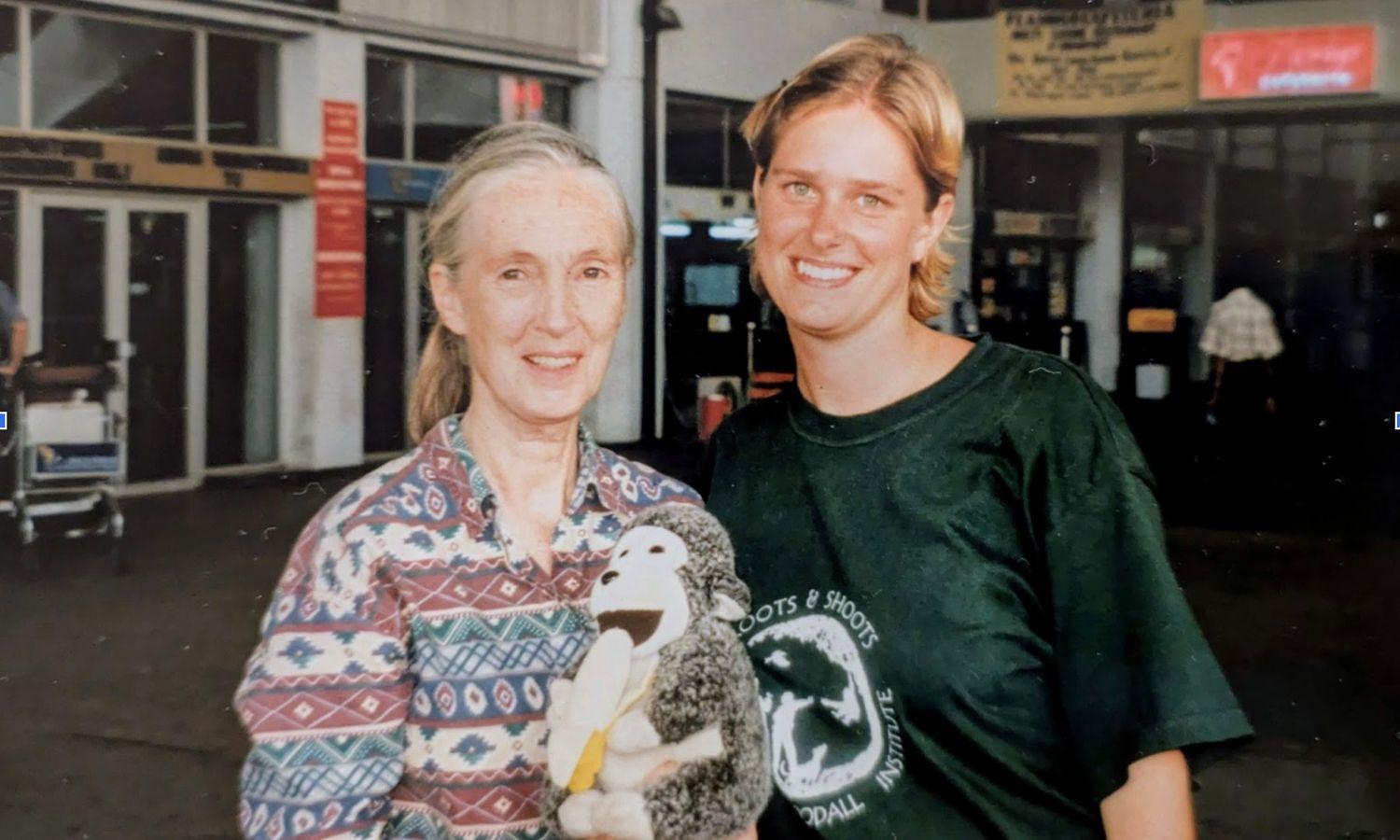
Jody Gunn is the CEO of the Australian Land Conservation Alliance. She reflects on Jane Goodall who she worked with in Africa.
"As a young wildlife lover, I discovered a woman who made my dream feel possible: Jane Goodall - a young woman who travelled alone to study chimpanzees in Africa. She broke ground in science and for women everywhere. I devoured her books, inspired by her courage and quiet conviction. In 2001, I reached Tanzania and later worked with the Jane Goodall Institute, coordinating their Roots & Shoots program. I witnessed her rare gift to inspire action. Her message endures: every individual matters, we chose the impact we have on the world around us, and hope is not naïve, it's essential.
"Jane Goodall was a changemaker, a peacemaker, a glass-ceiling breaker. A UN Messenger of Peace, a Dame Commander of the British Empire, and founder of the Jane Goodall Institute. But beyond the titles, she was a catalyst: for curiosity, compassion, and action. She has inspired me since I was only 10 years old, and today, even after her passing, her work gives me hope and strength to continue this journey."
-Dr Jody Gunn, Australian Land Conservation Alliance
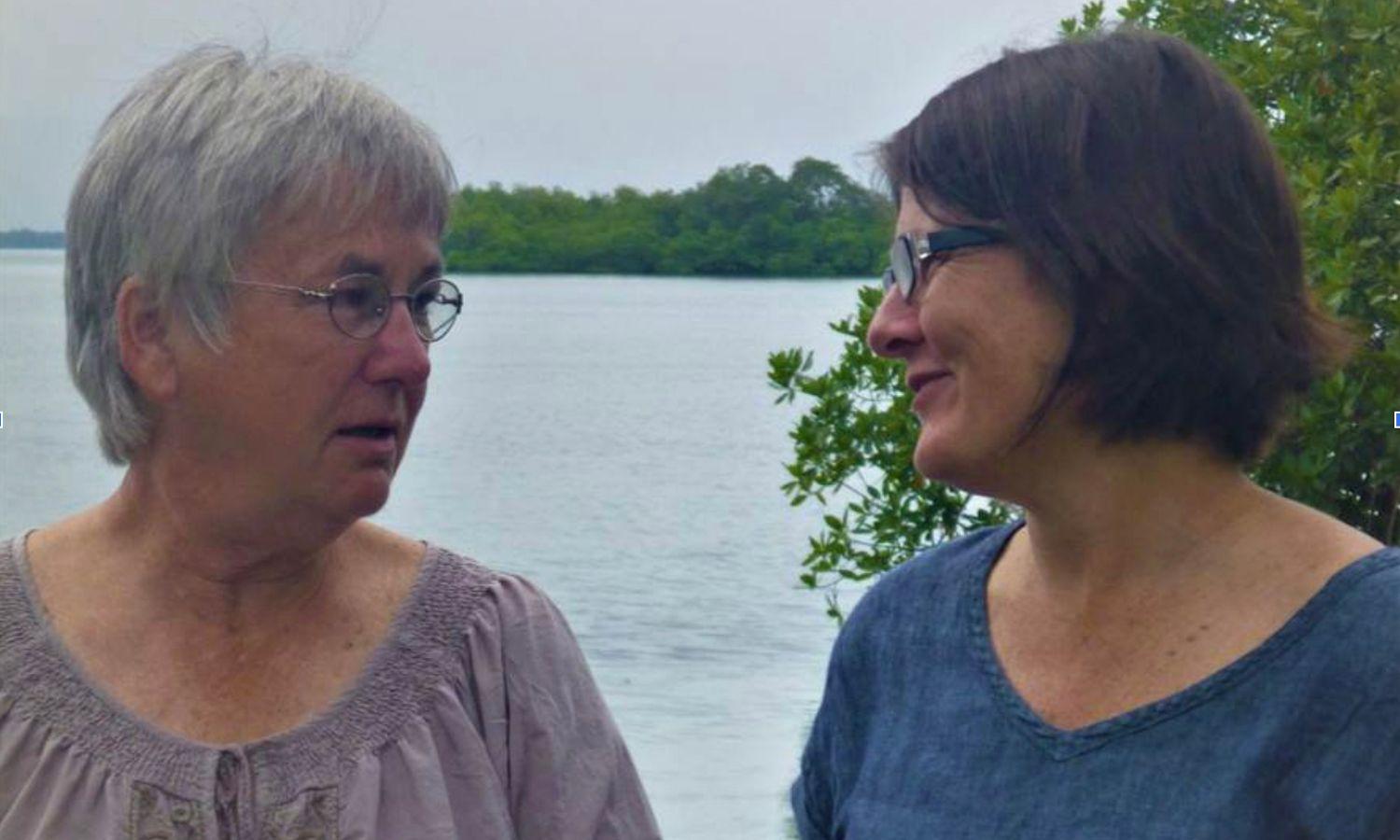
Catherine Lovelock, an expert in coastal ecosystems including mangroves, talks about how Ilka (Candy) Feller inspired and shaped her career.
"Ilka (Candy) Feller from the Smithsonian Institution has inspired me from the moment I met her in 1995. She is an entomologist, an artist, and an expert in the natural history of mangrove ecosystems, and she has taught me more than a thing or two about mangroves. Candy is awesome because she is passionate about mangroves, she values scholarship, she is famously irrepressible in the field, and she sees beauty in wild and uncomfortable places. She saved me and my career because she backed me 100% when I had small children. She was happy to have kids around on field trips and at field stations where we did lots of experiments and wrote a bunch of papers together. You can learn more about her incredible work here and here."
- Professor Catherine Lovelock, The University of Queensland
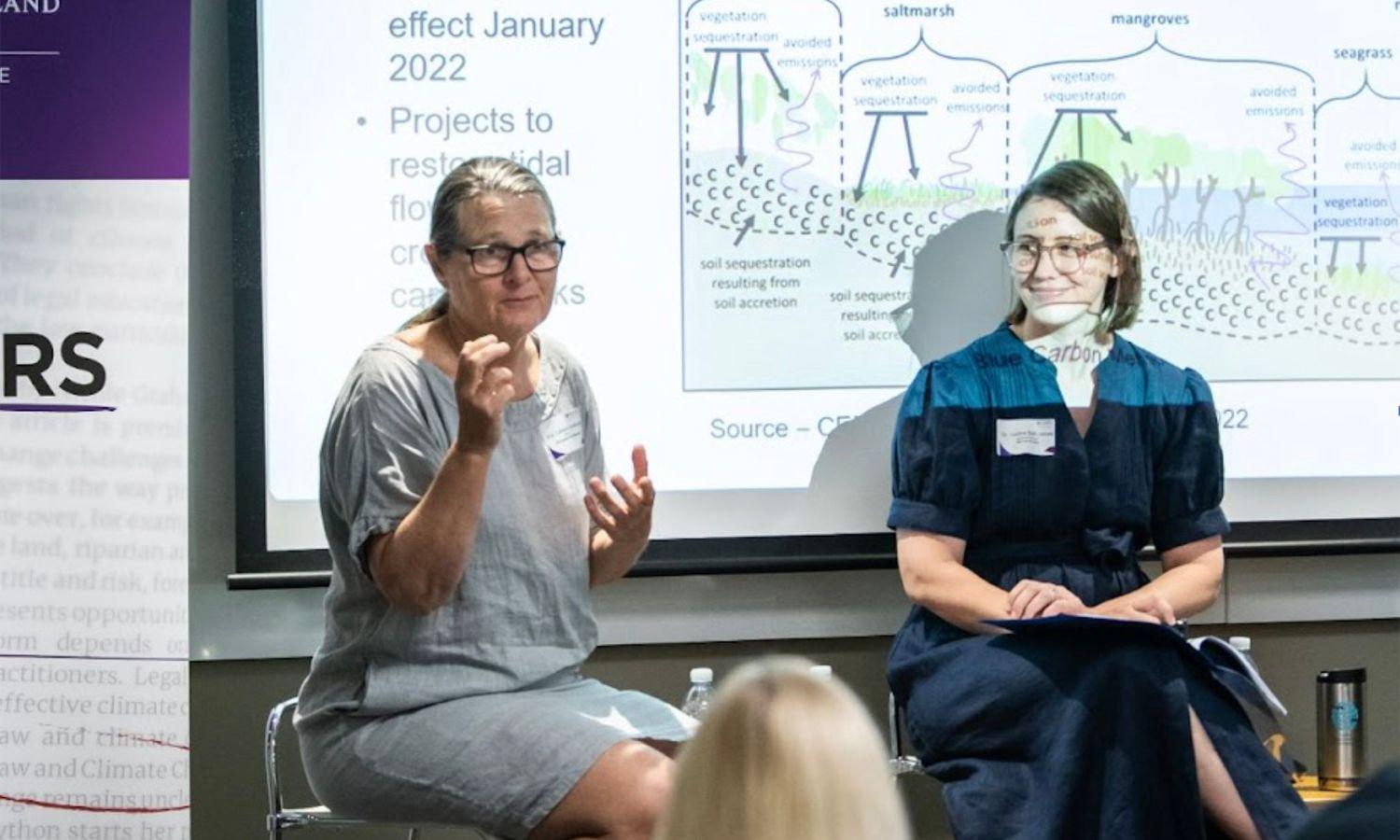
From inspired to inspiring, environment and climate change law expert Justine Bell-James has drawn inspiration from marine ecologist Catherine Lovelock.
"Professor Cath Lovelock has been such a wonderful inspiration and mentor to me throughout my career. I first met Cath when I was doing a postdoc in 2011, and her passion and enthusiasm for mangroves quickly sparked my interest, soon becoming my major area of research focus as well. Since then we’ve done a lot of projects together, and Cath has a remarkable way of always finding a seat at the table for early career researchers to be involved in her work. Cath has shown me that you don’t need to have a massive ego to make an impact in this space - hard work, quiet determination and perseverance goes a long way. She has also demonstrated how a true leader can create opportunities for other women, something that I really hope I can emulate in my career."
- Professor Justine Bell-James, The University of Queensland
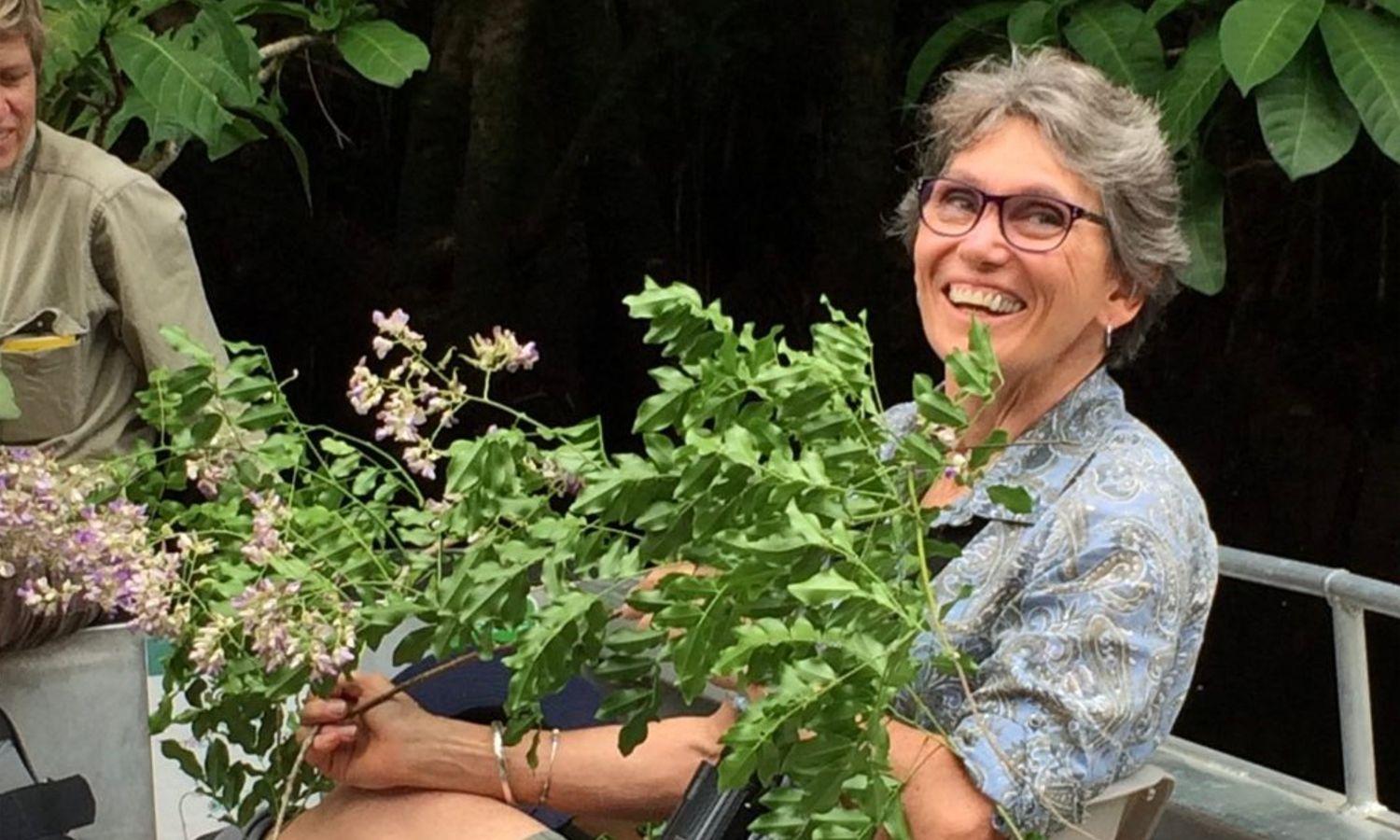
Wendy Cooper with samples of a rare vine in the Daintree. Image: Daintree Boatman Wildlife Cruises
Conservation scientists Sarah Legge, reflects on how pioneering rainforest botanist Wendy Cooper inspired her early career and passion for tropical plants.
"I first met Wendy when I was doing my PhD. We shared a fascination for the fruits of lowland tropical rainforests on Cape York. However, whereas I was an enthusiastic and clueless amateur who loved looking for fruits and finding out what they were, Wendy was an accomplished botanist working on her opus, the two-volume ‘Fruits of the Rainforest’. Wendy indulged me by identifying all manner of smush I brought to her; I like to think that some of those fruits ended up being useful for her rainforest fruit book 😊.
"Wendy is one of the leading botanists for Australia’s tropical rainforests. As well as proving to the sceptics that you can identify rainforest plants from their fruits alone, she’s untangled the taxonomy of several important plant groups, including some of the Fabaceae and Capparaceae. Wendy’s path to these achievements was unusual – she is self-taught, never having done a university degree or PhD. Her talent, skills and dedication were recognised by an Honorary Doctorate from the ANU in 2014.
"Wendy inspires me because she is an accomplished female scientist playing by her own rules. She is a powerful role model for holding to your purpose in the face of non-conformity. Her example taught me that you should do what you love, do it well, and do it your own way."
- Professor Sarah Legge, Charles Darwin University
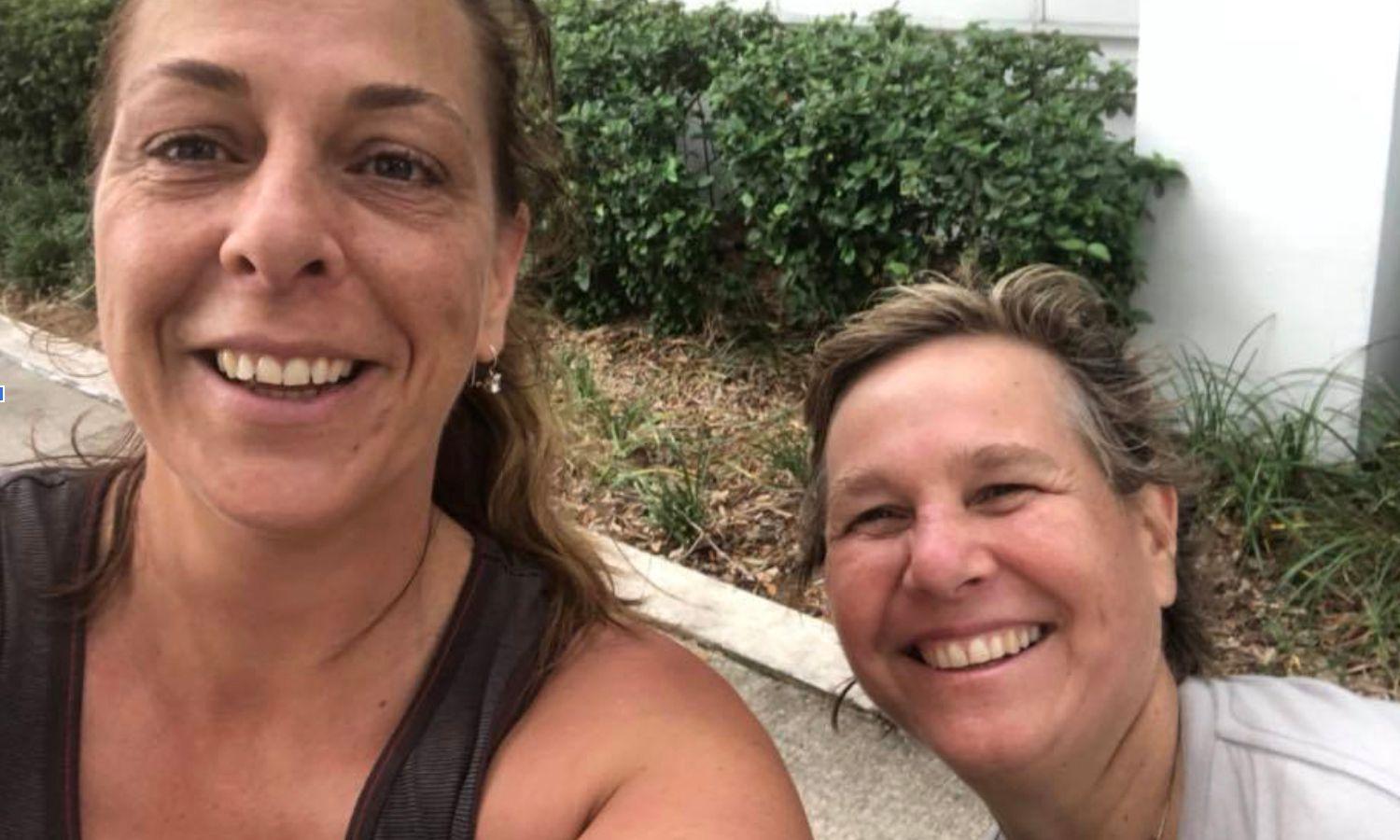
Gretta Pecl, a marine ecologist who studies how ocean species respond to environmental change, drew inspiration from Natalie Moltschaniwskyj.
"One of the most influential women in my career has been Associate Professor Natalie Moltschaniwskyj. Natalie supervised my Honours and PhD, gave me my first job after my doctorate, and has remained a valued collaborator ever since. She modelled integrity, a rigorous and thoughtful approach to research, and an extraordinary attention to detail. I learned from her how to be meticulous yet pragmatic and to focus on what counts (i.e. “pick my battles,”), to disagree with respect, and then move on with generosity and goodwill. Her work ethic and deep commitment to mentoring the next generation shaped the scientist—and mentor—I strive to be. Natalie showed me what quiet, steady leadership truly looks like." Natalie is Chief Scientist at the NSW Department of Primary Industries.
- Prof Gretta Pecl, The University of Tasmania
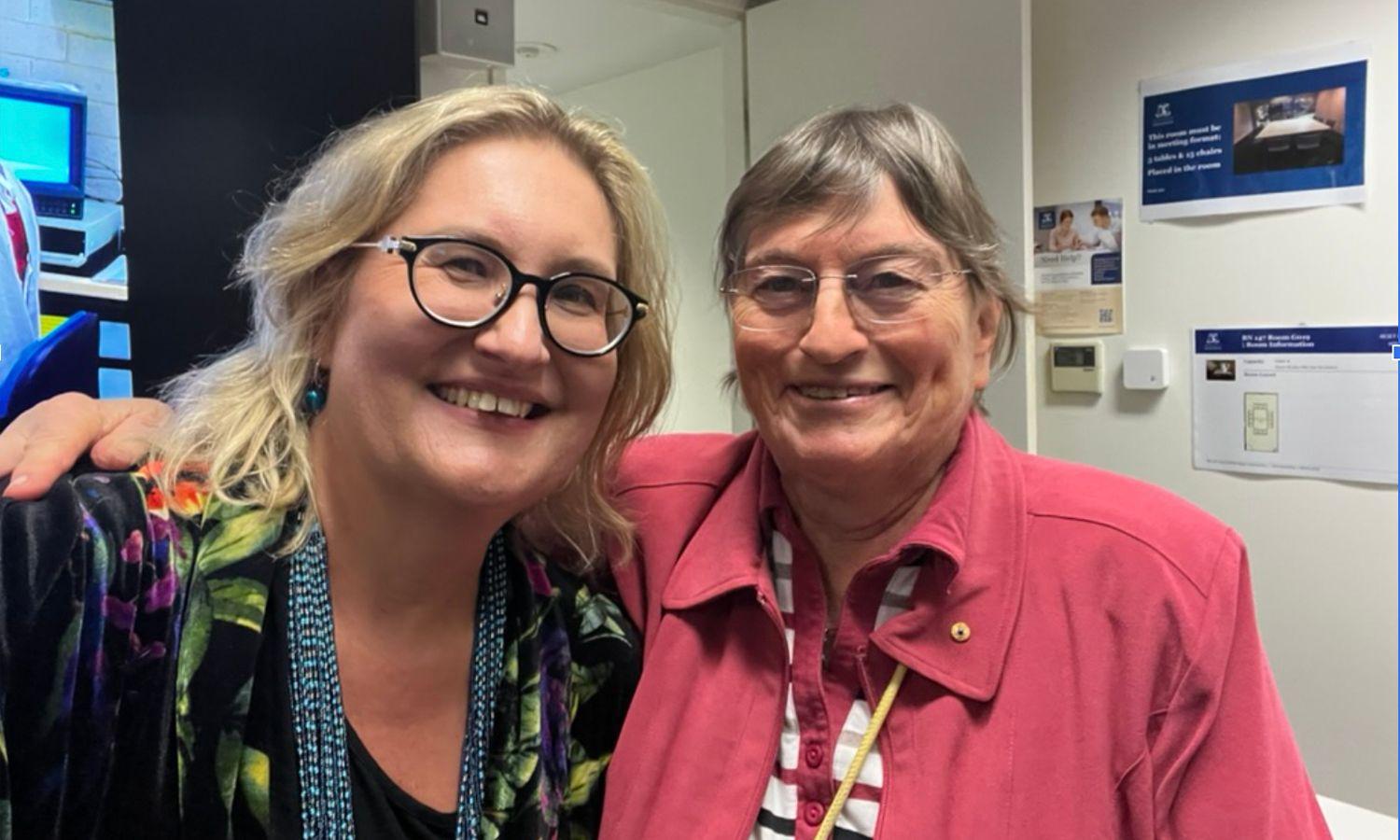
Kathy Belov, a leading geneticist studying wildlife health and conservation, was inspired by renowned marsupial biologist Marilyn Renfree.
"One of the women who has inspired me most is Professor Marilyn Renfree from the University of Melbourne, an exceptional researcher whose depth of knowledge is unparalleled— she understands marsupials better than anyone else in the world. Marilyn is an extraordinary mentor. Although she has never directly supervised me, she has always championed and encouraged me, often in ways that have profoundly shaped my career. Beyond her scientific brilliance, she is a remarkable role model: authentic, courageous, and refreshingly direct. I deeply admire the way she calls things exactly as she sees them. Her leadership and generosity continue to inspire me every day."
- Professor Kathy Belov, The University of Sydney
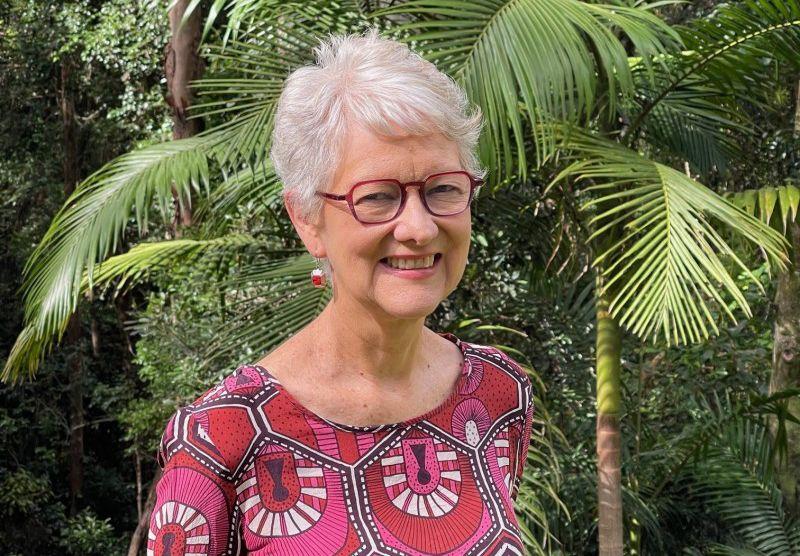
Kelly Fielding inspired Winnifred Louis and many others to study environmental psychology.
"I have been inspired by Kelly Fielding, a professor in the School of Communication and Arts here at UQ. Kelly was among the first environmental psychologists in Australia and when I started my tenure at UQ in 2001 (25 years ago!) we were both post-doctoral research fellows sharing an office. Kelly told me about her then-recent research showing that environmental norms were more likely to influence rural farmers’ sustainable land practices when they were framed as coming from other farmers (vs. urban scientists). It struck me immediately as an incredibly important finding and critical area to work in. So like many others here in Brisbane and around Australia I was inspired by Kelly to study environmental psychology, and I’m very grateful and have never looked back."
- Professor Winnifred Louis, The University of Queensland
And finally, I give thanks for Sarah Legge.
“I am spoiled for choice when it comes to inspiring women. One of the privileges of my role is working with brilliant, dedicated experts who care deeply about the environment and generously give their time, insights and expertise to the Biodiversity Council as volunteers.
“But I will always have a particularly deep appreciation for Professor Sarah Legge, who I began working with 15 years ago through the National Environmental Research Program Northern Australia Hub. She made quite a first impression, flying herself to a workshop in Kununurra from Mornington Station in a light plane, with a small child in tow, to share her research with local stakeholders. I've learnt so much from Sarah, especially about respectful collaboration with Indigenous Custodians.
“Sarah’s impact is profound. She constantly works to support others—partnering with Indigenous Custodians in two-way science shaped by their priorities, backing community champions working to save threatened species, and helping lift those around her. She is brilliant and incredibly humble, hardworking and generous with her time - often leaving little for herself."
-Jaana Dielenberg, Biodiversity Council Science Communication Director