Study finds protected areas have doubled —So why are many threatened species still unprotected?
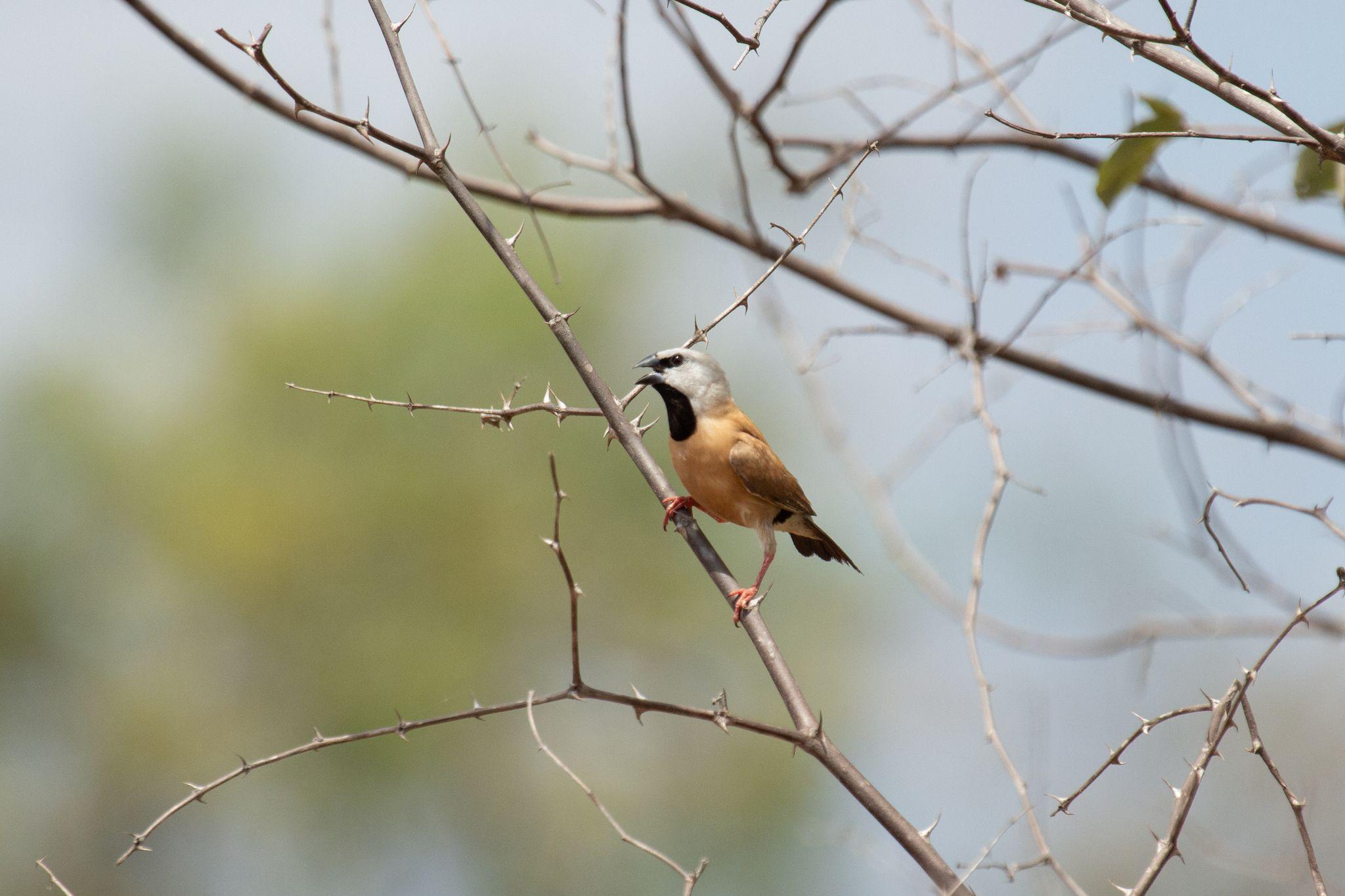
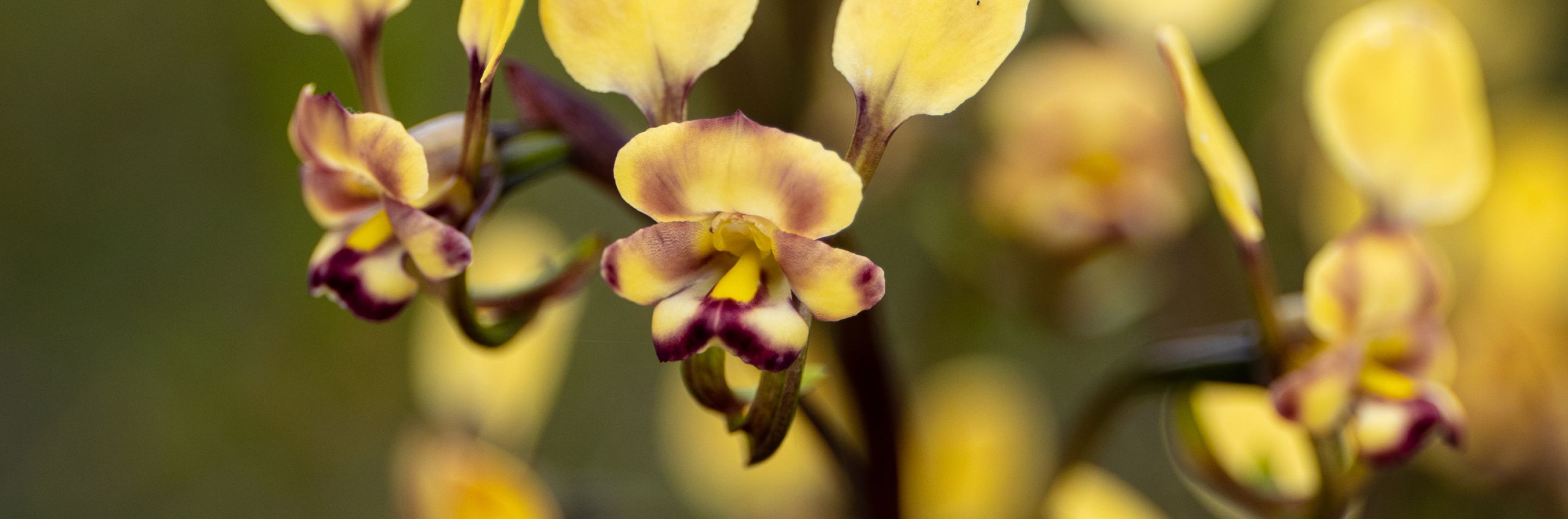
The southern black-throated finch is one of more than 200 threatened species that lives in the brigalow belt; a high-risk, under-protected ecosystem. Image: Deborah Metters / iNaturalist CC BY-NC
News story
24 March 2026
New research has found that Australia has nearly doubled the amount of land protected in just 12 years, but gains have not been in the areas most important for protecting threatened species and ecosystems.
The study, just published in Conservation Science and Practice, examined changes in protected areas between 2010 and 2022, and found that 160 threatened Australian species have close to no habitat protected.
The assessment was conducted by a team of experts from seven Australian universities and leading Australian conservation organisations, including the Biodiversity Council, Bush Heritage Australia, the Australian Land Conservation Alliance and the Nature Conservancy.
Prof James Watson from the University of Queensland outlines the key findings of the research.
Study lead author Professor James Watson from the University of Queensland said the Australian Government is working toward a national commitment to conserve 30% of our lands, waters and seas by 2030.
“Between 2010 and 2022, conservation areas have increased from covering 12.1% to 22.3% of the continent. That is an increase of almost 750,000 square kilometres of land and freshwater environments under protection.
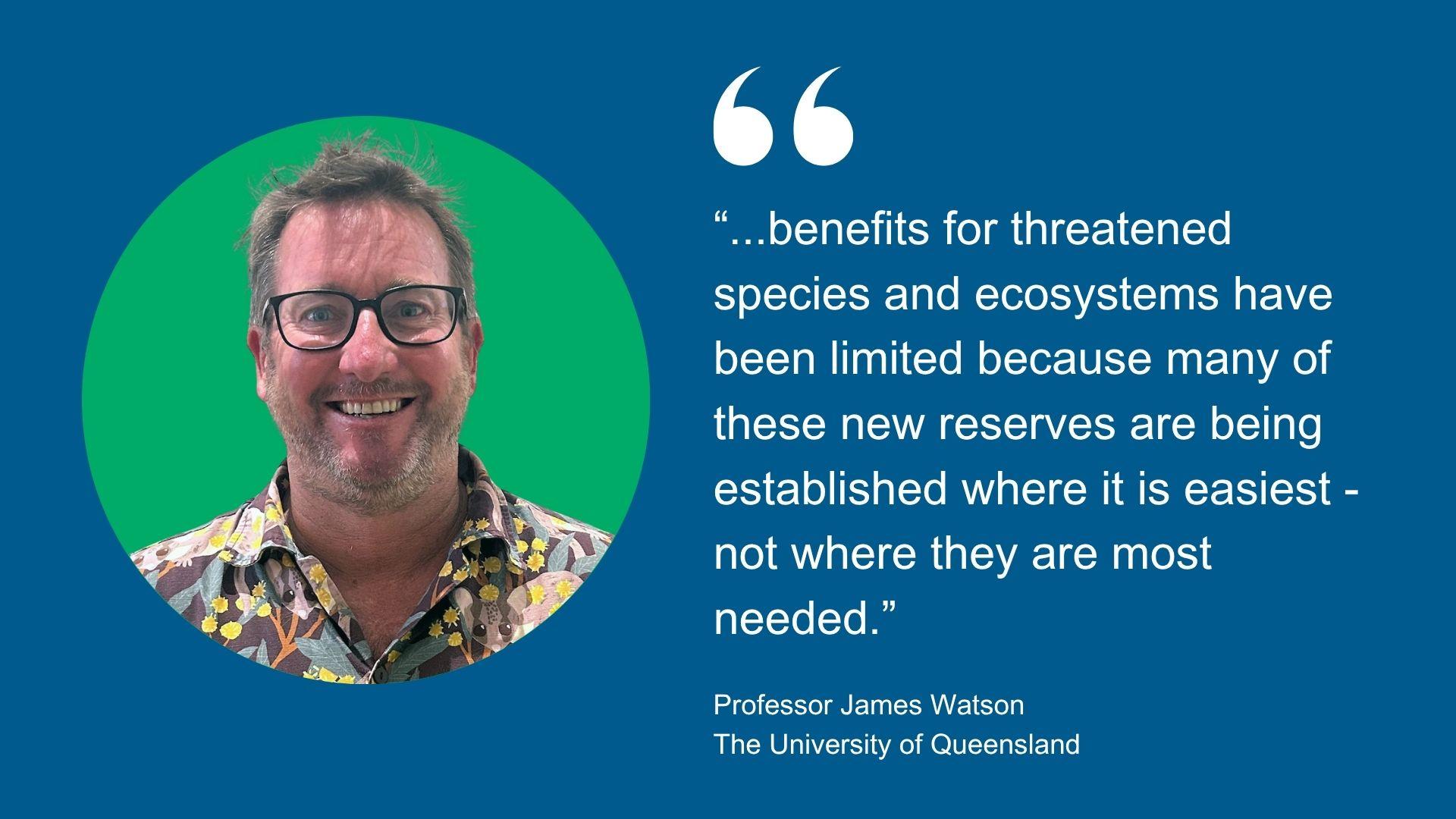
“Despite the large increase in the area protected, benefits for threatened species and ecosystems have been limited because many of these new reserves are being established where it is easiest - not where they are most needed.
“For example, Australia’s desert ecosystems already had a high amount of protection before 2010, but these areas have received the most expansion, while high-risk, under-protected ecosystems like Victoria’s basalt plains grasslands and Queensland’s brigalow belt have seen little gain.
“A hectare in the wrong place can be almost meaningless to efforts to stop species extinction, while a hectare in the right place can be the difference between survival and extinction.
“Australia has some of the best biodiversity data in the world; we know where the most at-risk species and ecosystems remain under-protected. It is important that Australian governments meet their commitments on halting the extinction crisis and prioritise these areas."
The map below shows which bioregions have the greatest percent of land protected (shown by colour), and how much change there has been between 2010 and 2022 (shown with arrows).
- The pale cream areas have less than 10% protected - this includes most of eastern Australia, and parts of central and western Australia.
- Beige and grey areas have 10-17% of land protected.
- The strongest colours - yellow, tan, brown and red are bioregions with greater than 30% of land protected.
- Yellow areas had less than 10% protection in 2010 and have had the greatest increases.
- Arrows show the scale of the increase between 2010 -2022; the bigger the arrows the greater the increase between 2010-2022
- Dark red areas with arrows are areas that already had greater than 30% protection in 2010 and still had more land put under protection.
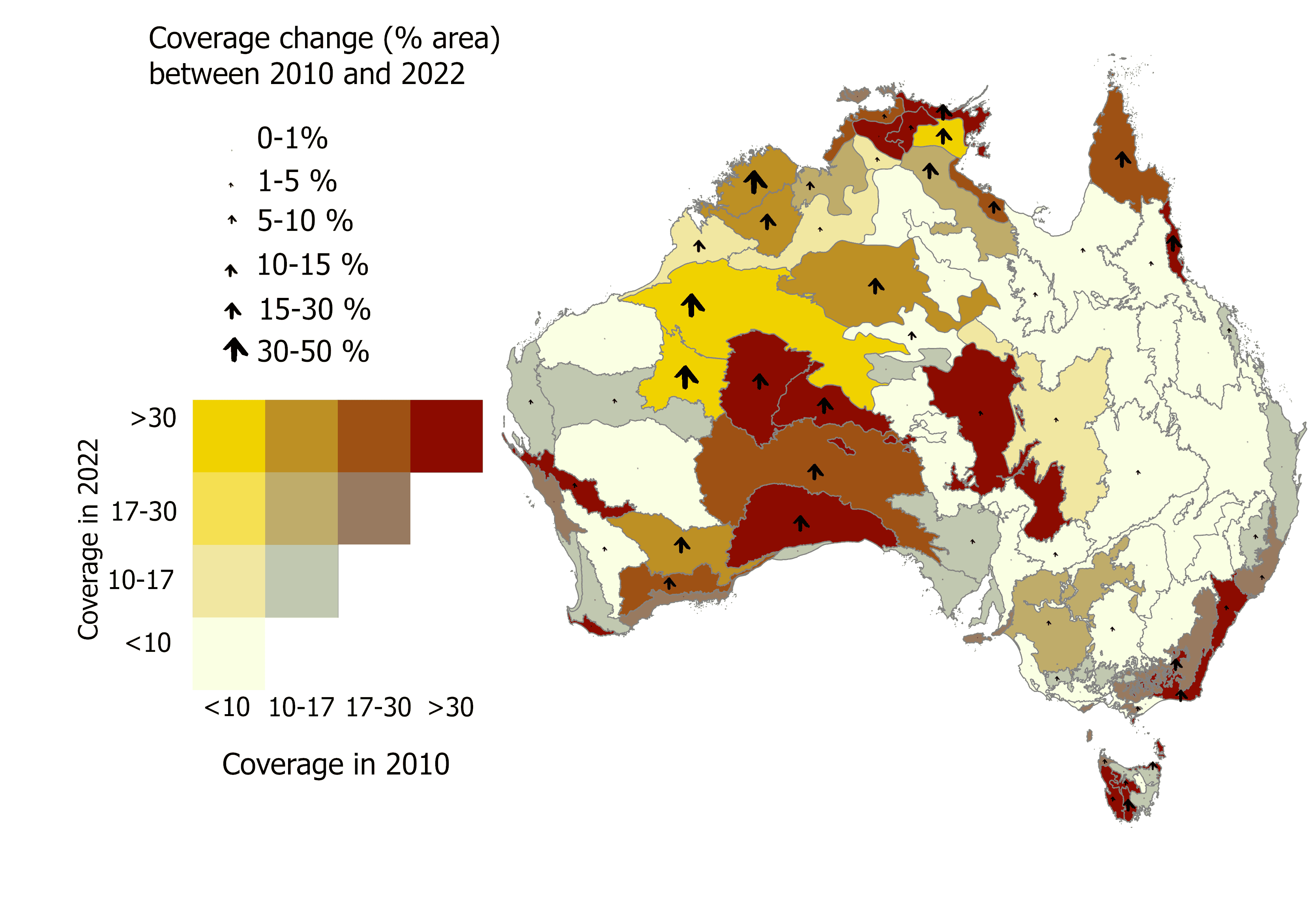
The representation of Australian bioregions in the Australian National Reserve System (NRS) in 2010 and 2022, with arrows representing the net change in percentage area coverage (representation of bioregions with no arrows increased less than 1%). Source: Watson, M. et al. 2026. Conservation Science and Practice
The findings show that government investment is delivering quantity, not quality, and shows a failure to strategically guide investments to the places needed to prevent extinctions.
Biodiversity Council Lead Councillor and study co-author Prof Hugh Possingham from the University of Queensland said simply achieving blunt national totals was never the intent.
“The 30 by 30 commitment actually requires good representation of all ecosystem types, not just some. Representing all ecosystems and species ensures that there are enough functioning ecosystems to support the nation’s health and economy.
“For example, protecting at least 30% each of shellfish reefs and wetlands that filter water, forests that capture carbon and improve air quality, and mangroves that protect coastlines and support fisheries.
“The Australian Government has also committed to preventing extinctions, and yet 160 threatened species still have close to no habitat protected, such as the last wild population of the Victorian grassland earless dragon.
“For Australia to halt its extinction crisis, it must prioritise protecting habitats of species on the brink - even when it’s harder or more costly - otherwise the conservation network is failing.”
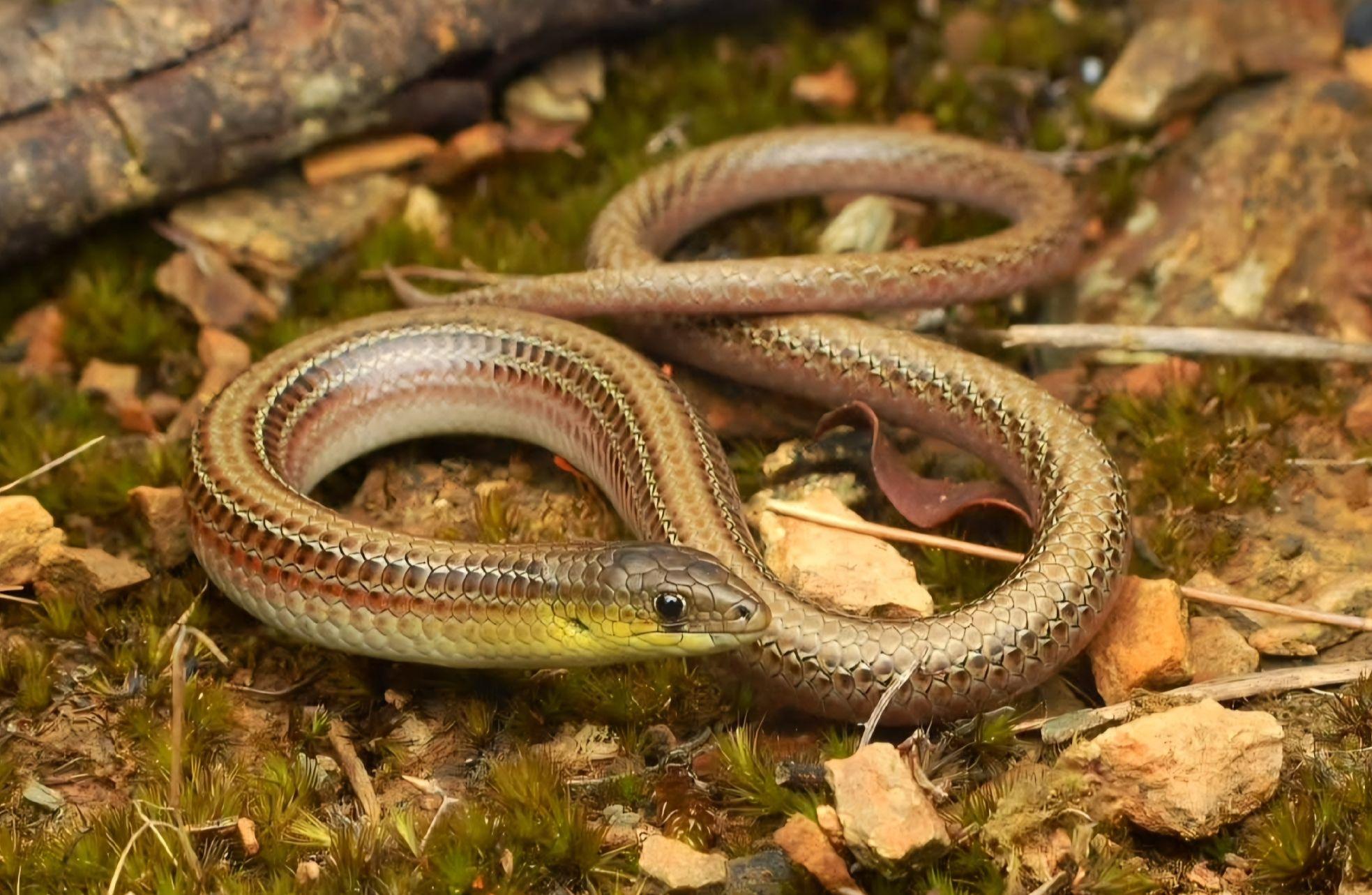
Less than 1% of Victoria's volcanic plains grasslands remain, which support many threatened species like the striped legless lizard (Delma impar). Image: nat_is_a_lost / iNaturalist CC BY-NC