‘Optimistic spin’ hides worsening nature crisis in government report to UN, experts say
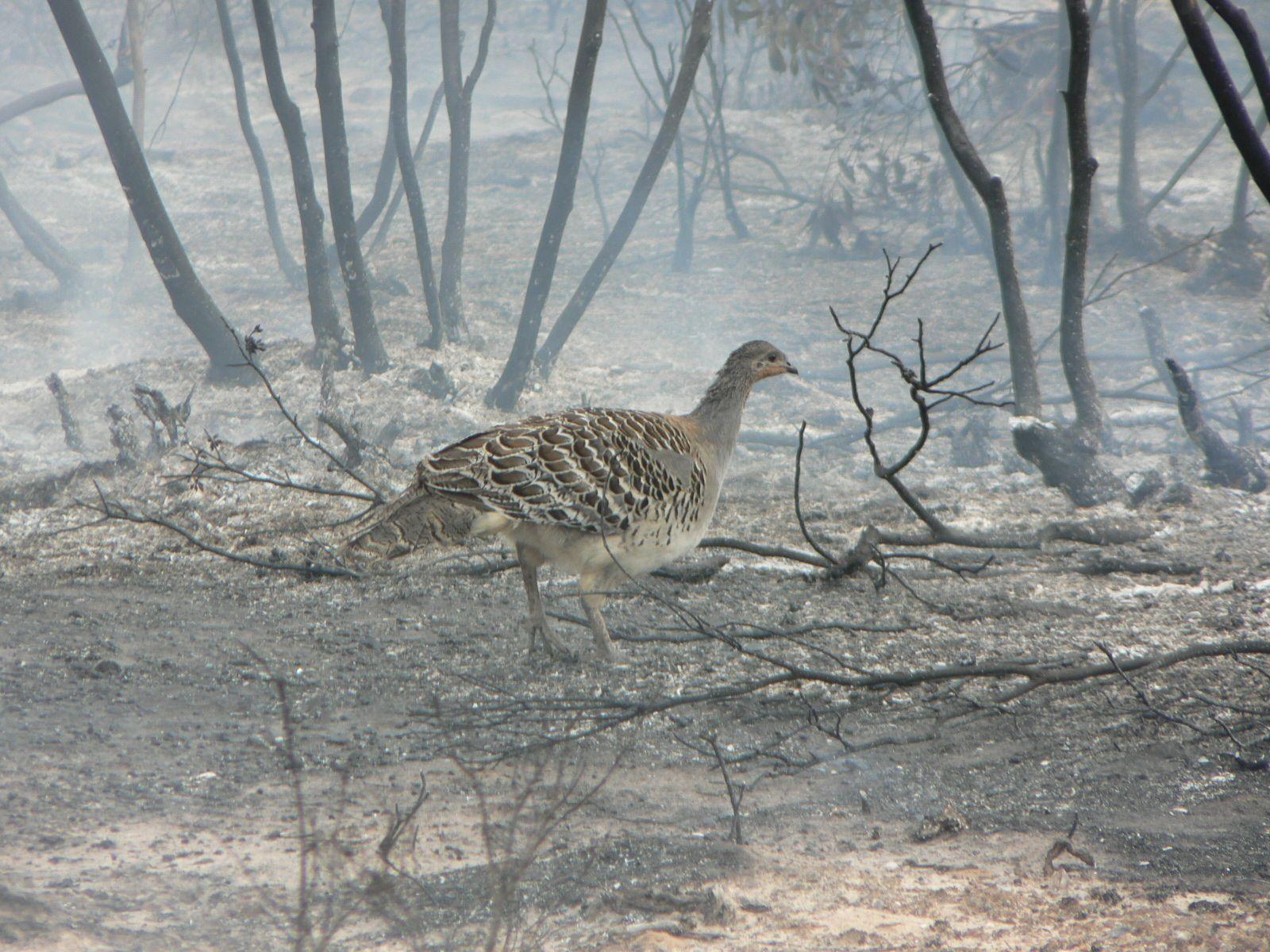
The threatened malleefowl in freshly burnt bushland. Image: Joe Tilley
Media Release
16 March 2026
The Biodiversity Council has called out the Australian Government’s first report to the United Nations under the Kunming-Montreal Global Biodiversity Framework (GBF) of the Convention on Biological Diversity (CBD).
The expert group founded by 11 Australian universities says the report reads more like a 261-page fairy tale written by public relations consultants than an evidence-based report by scientists.
They also say government spin is being used to hide the nature loss crisis and avoid doing enough work to address it.
Australia is one of 196 countries that committed to 23 targets to halt and reverse nature loss this decade under the Framework. The Australian Government has self-assessed itself as on track to meet most of the targets in the report.
This is despite Australia’s State of the Environment Report finding that our environment is in poor condition and deteriorating, and the growing list of plants and animals threatened with extinction, which has now reached 2,208 species.

The Critically Endangered Leadbeater's possum is one of over 2,000 threatened species listed under the EPBC Act.
What experts say, overall
Environmental policy expert Paul Elton at The Australian National University said, “The report’s overwhelmingly positive self-assessment is difficult to reconcile with what is happening on the ground.
“A contributor to this mismatch is that the Australian Government has rated itself as “on track” based on a promise of announcements that may address targets, even if there has been no on-ground progress.
“For some targets, they claim they are on track on the basis that they plan to have a plan in the future! Many targets have been rated as on track, even where there is no data, or there is data that contradicts the assessment.
“The unjustified optimism of the Australian Government’s self-assessments creates a misleading impression of adequate policy effort to both domestic and international audiences.”
Biodiversity Council Lead Councillor Professor Hugh Possingham from the University of Queensland said, “The disappointing positive public relations spin gets in the way of the serious work needed to address the existential threat of the loss of biodiversity.”
“Until governments are honest about the scale of the funding and action required to halt biodiversity loss, and close that gap, Australia’s nature will continue to decline.
“Across Australia, many conservation scientists, Traditional Custodians, landowners and community groups are doing important work to protect nature. But these efforts represent only a small fraction of what is needed to halt the nation’s rapid loss of biodiversity.”
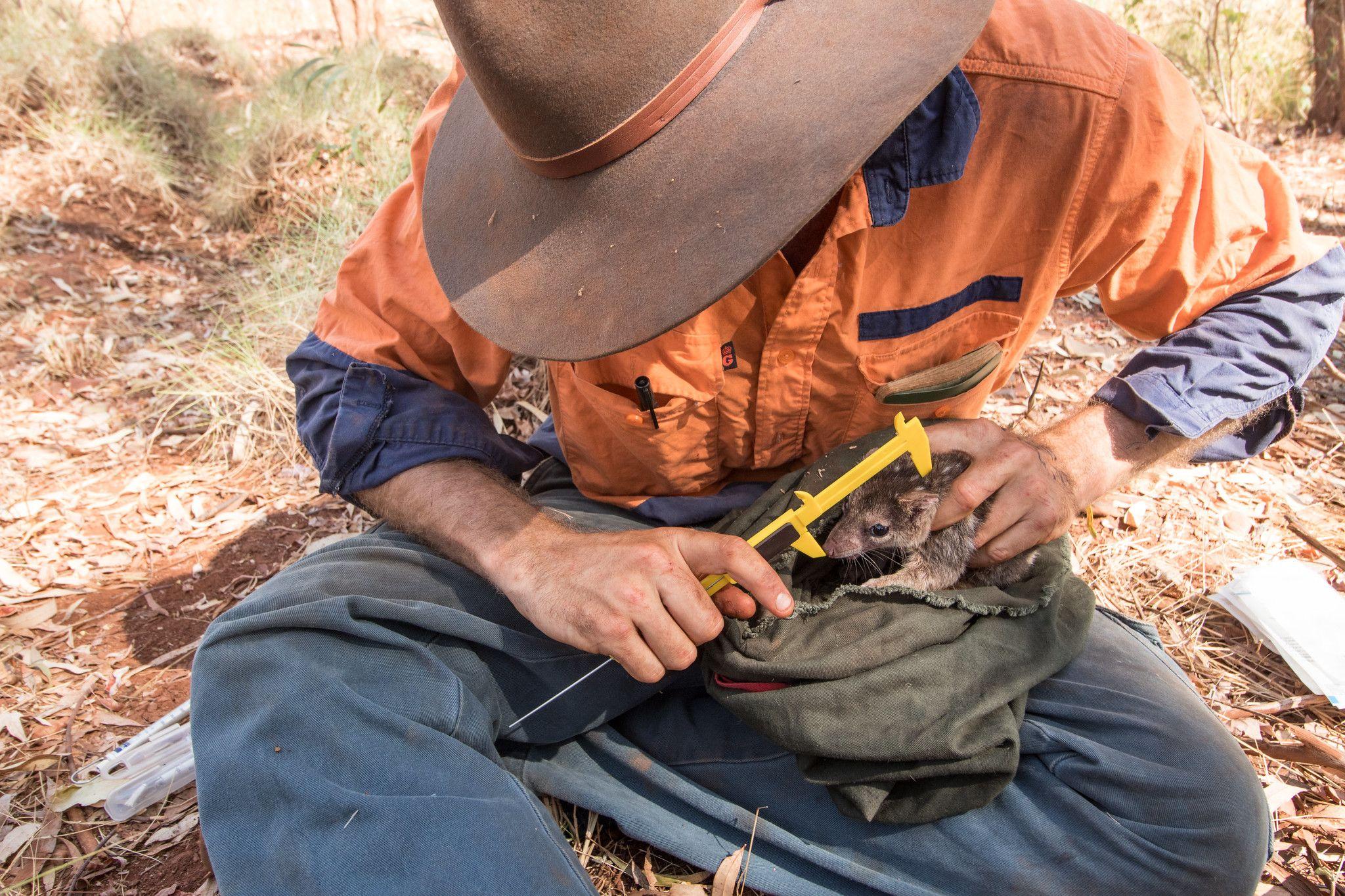
Monitoring of threatened species like the northern quoll informs conservation actions to prevent extinctions. Image: Nicolas Rakotopare
What experts say, on individual targets
Target 2: Restore 30% of all degraded areas
Self-rated by the government as: Insufficient to achieve the target.
Paul Elton at The Australian National University said, “The Australian Government has acknowledged that its progress on this target is insufficient, but has not quantified the gap, despite tools and existing research available to address this knowledge gap.
“They are spending tens to low hundreds of millions on degraded ecosystem restoration, but independent research puts the required investment to restore Australia’s terrestrial, freshwater and coastal ecosystems in the billions.”
Target 3: Conserve 30% of land, waters and seas
Self-rated by the government as: On track to achieve the target.
Biodiversity Council member and marine ecologist Professor Catherine Lovelock from the University of Queensland said, “The Australian Government has reported that they are on track to meet this target because 25% of land and 52% of Australian ocean territory are under some form of protection.”
“However, these headline figures mask major shortcomings in delivering this target, which also requires that the conserved areas proportionately represent all ecosystems and are well connected and effectively managed.
“So that means 30% of grasslands, 30% of deserts, 30% of each of the different forest types and so on.
“The oceans' total is inflated by a very large conservation area halfway to Antarctica. They are far behind in conserving many other important ocean ecosystems, such as saltmarshes, seagrass meadows, and shellfish reefs.
“Many ocean areas being counted are also not highly protected, so some damaging activities may still be allowed, and even when restrictions are more stringent, they can lack enforcement, such as policing illegal fishing.”
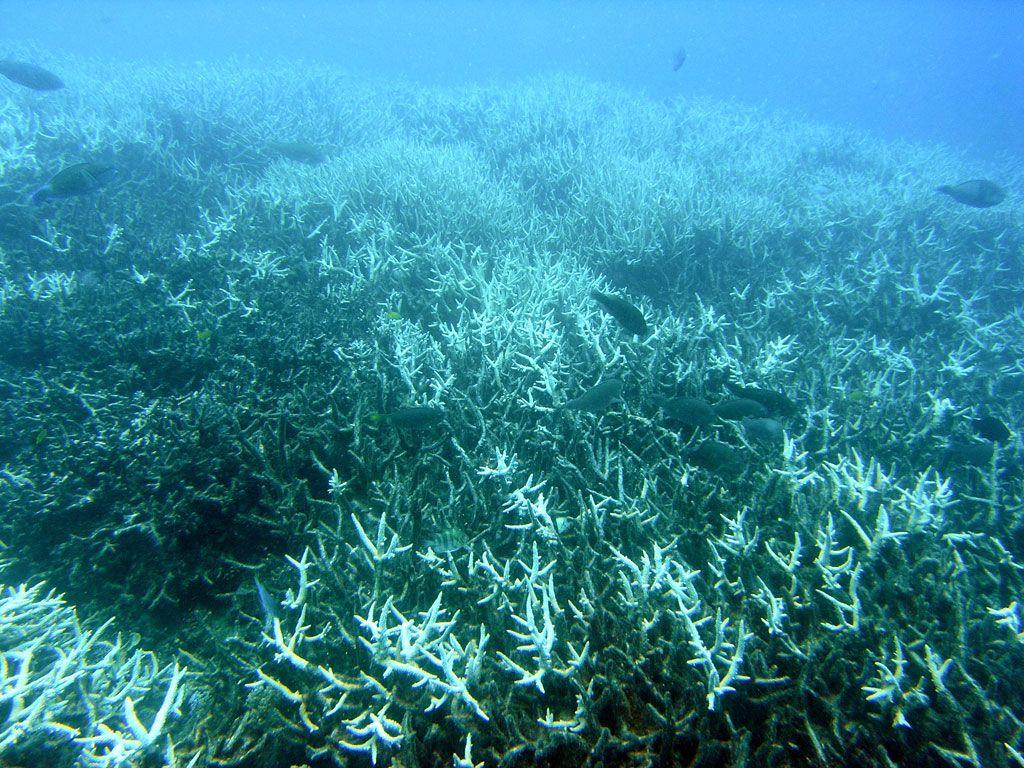
Climate change is having drastic impacts on marine biodiversity, with marine heatwaves causing coral bleaching and algal blooms. Image: J Roff / CC BY SA 3.0 Wikimedia Commons.
Target 4: Halt species extinctions and protect genetic diversity
Self-rated by the government as: On track to achieve the target.
Biodiversity Council Policy and Innovation Lead Lis Ashy said, “The Australian Government’s claim that it is on track to achieve no new extinctions is fantastical.
“Our threatened species remain in a perilous state, with population numbers halving in abundance since 2000. Many species are going extinct every year before they are even recognised by science.
“The Government has pointed to the Threatened Species Action Plan and the Saving Native Species Fund to reassure us everything is on track, but the plan covers less than 6% of nationally listed threatened species and ecological communities, and funding for the Saving Native Species Fund ends this financial year.
“If the Government were serious about preventing extinctions, it would implement recovery plans for all nationally listed threatened species and commit adequate long-term funding for the Saving Native Species Fund - greater than $2 billion per year is needed.”
Target 8: Minimise the impact of climate change on biodiversity and build resilience
Self-rated by the government as: On track to achieve the target.
“Likewise, the government’s self-assessment that it is on track to minimise climate change impacts on biodiversity does not match the evidence. The National Climate Risk Assessment clearly states there is already a major shortfall in adaptation action across Australia,” said Ms Ashby.
“Much of the Government’s claimed biodiversity climate resilience progress relies on it being a hypothetical byproduct from programs that were designed for infrastructure and people, not nature.
“Many native species will need targeted action to survive climate change: vulnerable freshwater species need to be moved to new locations before their existing habitat dries out; mountain species threatened by climate change will need to be translocated.
“Furthermore, many existing programs supporting the environment are ending, including those for marine ecosystems such as the Marine Parks, Sustainable Ocean Action Plan, Blue Carbon Restoration, Reef Plan Traditional Owner Implementation Plan, Land and Coastal Restoration, and Reef Guardian Councils.”
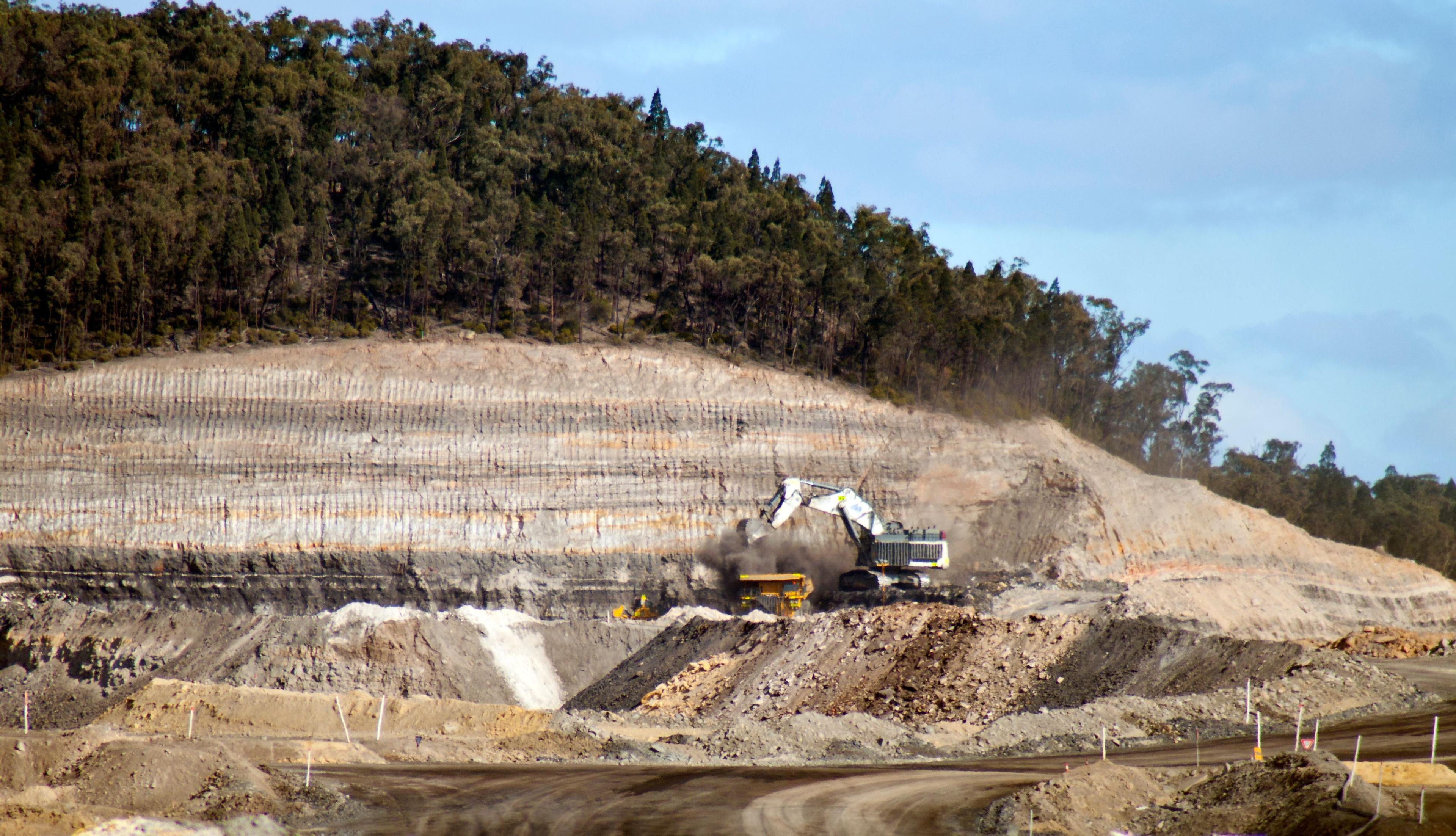
Coal mining operation at Moolarben. Image: Max Phillips / CC BY 2.0 DEED Flickr
Target 18: ‘Identify harmful subsidies by 2025 and reduce them substantially by 2030.’
Self-rated by the government as: No explicit progress rating
Paul Elton at The Australian National University said, “Government has side-stepped the target to reduce government financial support for activities that harm nature (Target 18).
“Our research found the Australian Government provides $26.3 billion per year in biodiversity-harming subsidies. That is 4% of the federal budget and 25 times what it spends on helping nature.
“The Australian Government falsely claimed that subsidies for fossil fuel production are not within scope.
“This is unjustifiable. Fossil fuel subsidies, which include tax breaks and rebates for mining companies, cost tax payers $14.1 billion per year and harm the environment by enabling resource extraction and accelerating climate change.”
“By excluding fossil fuel subsidies and not conducting a thorough assessment, the Australian Government has effectively refused to address Target 18.”