Victoria is Australia’s nature-poorest state and getting worse, biodiversity experts warn ahead of the election
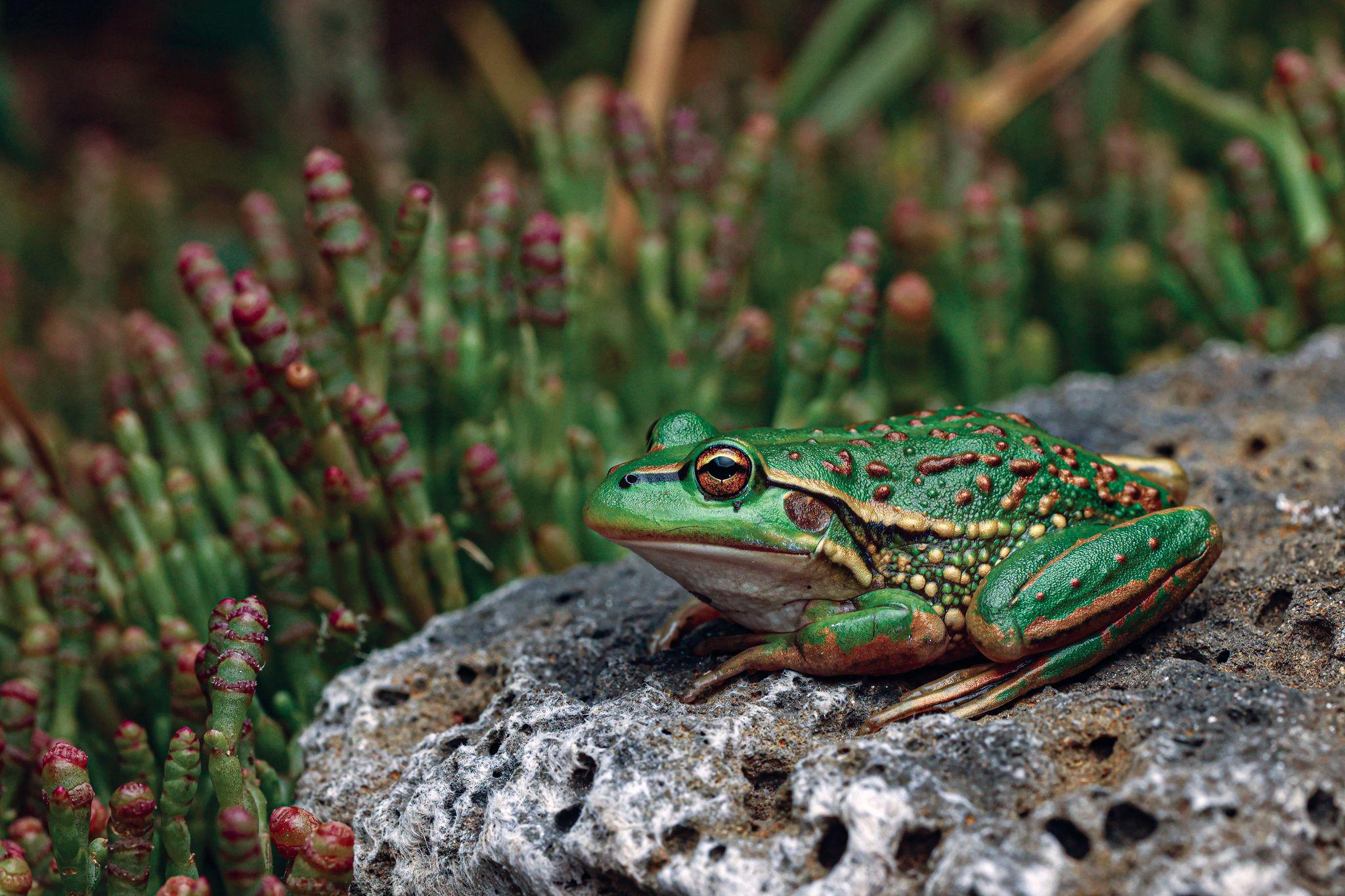
A growling gass frog, listed as 'vulnerable' in Victoria. Photo: frase4days CC-BY-NC iNaturalist
Victoria is Australia's nature-poorest state, according to a new Biodiversity Council report revealing that decades of inadequate funding, weakened environmental protections and government inaction have left the state's plants and animals in serious decline and people with less access to nature.
Melbourne residents have the poorest access to national parks and other conservation areas of any Australian capital city.
Victoria is Australia's most cleared state, with more than half of its vegetation cleared since European settlement, and more being destroyed each year.
53 species are extinct in Victoria and almost 2,000 of the state's plants and animals are now threatened. Populations of threatened species have declined by almost 70% on average since 2000.
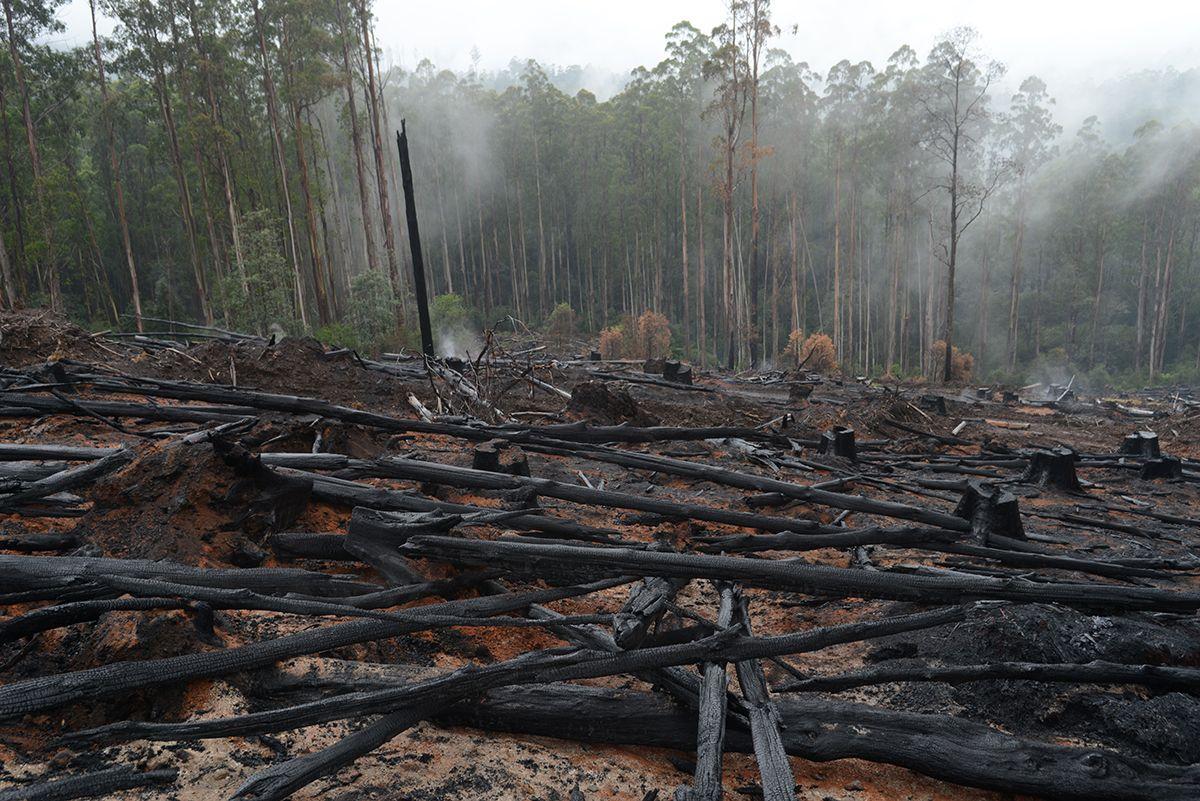
Logging coupe smouldering after being burnt. Photo: Dave Blair.
The report identifies major failures in Victoria’s environmental policy and implementation, including:
- Chronic underfunding: Victoria’s flagship Biodiversity 2037 strategy has consistently failed to meet its annual targets. Parks Victoria staffing has fallen by more than 30% since 2020–21.
- Logging loopholes: Despite the government’s commitment to end native forest logging, harvesting continues on private land, large amounts of forest are being cleared under the guise of strategic fuel breaks, and laws could still allow commercial logging to resume in state forests.
- Inadequate environmental offsets: Weaker schemes on Crown land and renewable energy developments allow native vegetation clearing without safeguards to ensure lasting conservation gains.
- Outdated wildlife laws: The government has failed to implement key recommendations from the Wildlife Act Review to strengthen Aboriginal self-determination and protections for native wildlife.
- Poor access to nature: Parks have not kept pace with population growth.
- Weak climate adaptation: Government plans lack clear targets, adequate funding and accountability to protect nature from escalating climate impacts, and are not recognising the importance of nature for climate resilience.
With Victoria's state election approaching on 28 November, the Biodiversity Council is calling on all parties to commit to six priorities to halt and reverse nature loss, warning that the decline also harms human health and climate resilience.

A new housing development on the edge of Melbourne. By allowing little room for trees new housing developments can create a health burden. People who live in areas with less than 30% tree and shrub cover have poorer physical and mental health and use more healthcare services. Image: Jaana Dielenberg
Biodiversity Council member Professor Sarah Bekessy from the University of Melbourne said Victoria was once known as the garden state but had lost its reputation as a national conservation leader.
“Victoria pioneered initiatives such as Landcare and Land for Wildlife, but successive governments have failed to invest adequately to protect our precious natural heritage, both in conservation areas and in our cities.
“Healthy nature isn't a luxury. It provides clean water, pollination, cooler cities and protection from climate extremes.
“Research shows that people in suburbs with more trees, shrubs, birds and other biodiversity are less likely to have heart attacks, strokes and depression, and kids have fewer allergies and behavioural issues and better cognitive development.
“The next Victorian Government has an opportunity to halt the destruction of nature and start rebuilding, but it will take more than promises. We need proper funding, stronger laws and accountability for delivering results.”
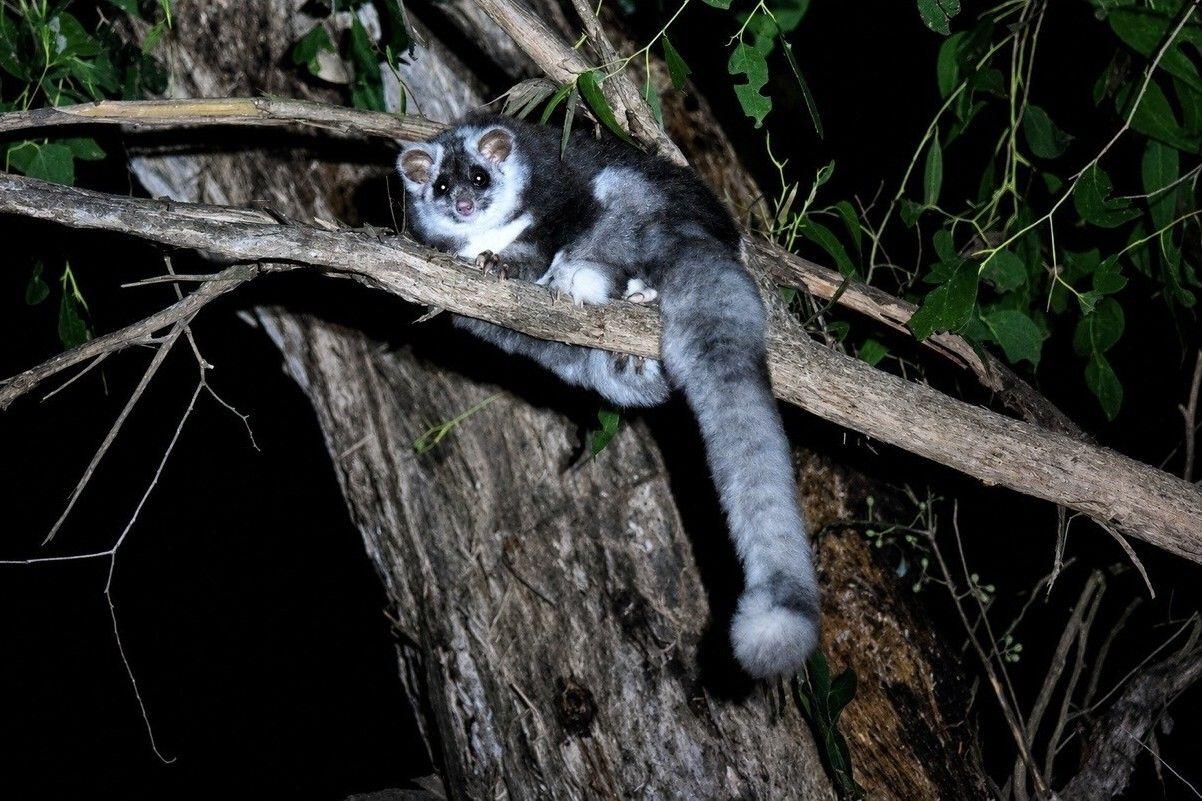
Greater Glider Victoria Image: Deb Oliver/iNaturalist CC-BY-NC iNaturalist
The report calls on all parties to commit to six priorities: properly funding biodiversity conservation, closing logging loopholes, fixing environmental offsets, respecting First Peoples’ rights in wildlife management, improving access to nature and strengthening climate resilience.
“Victorians deserve a government that takes protecting nature seriously and understands that keeping nature in our cities is vital to community health. We urge all parties to make restoring the garden state an election priority,” Professor Bekessy said.