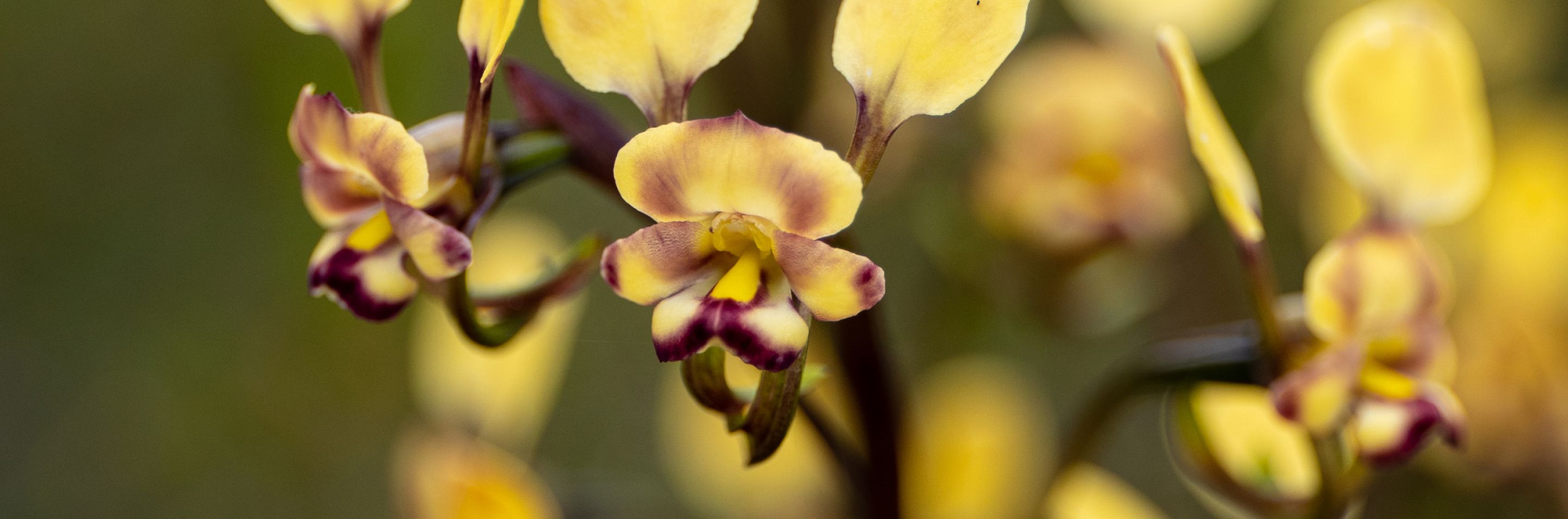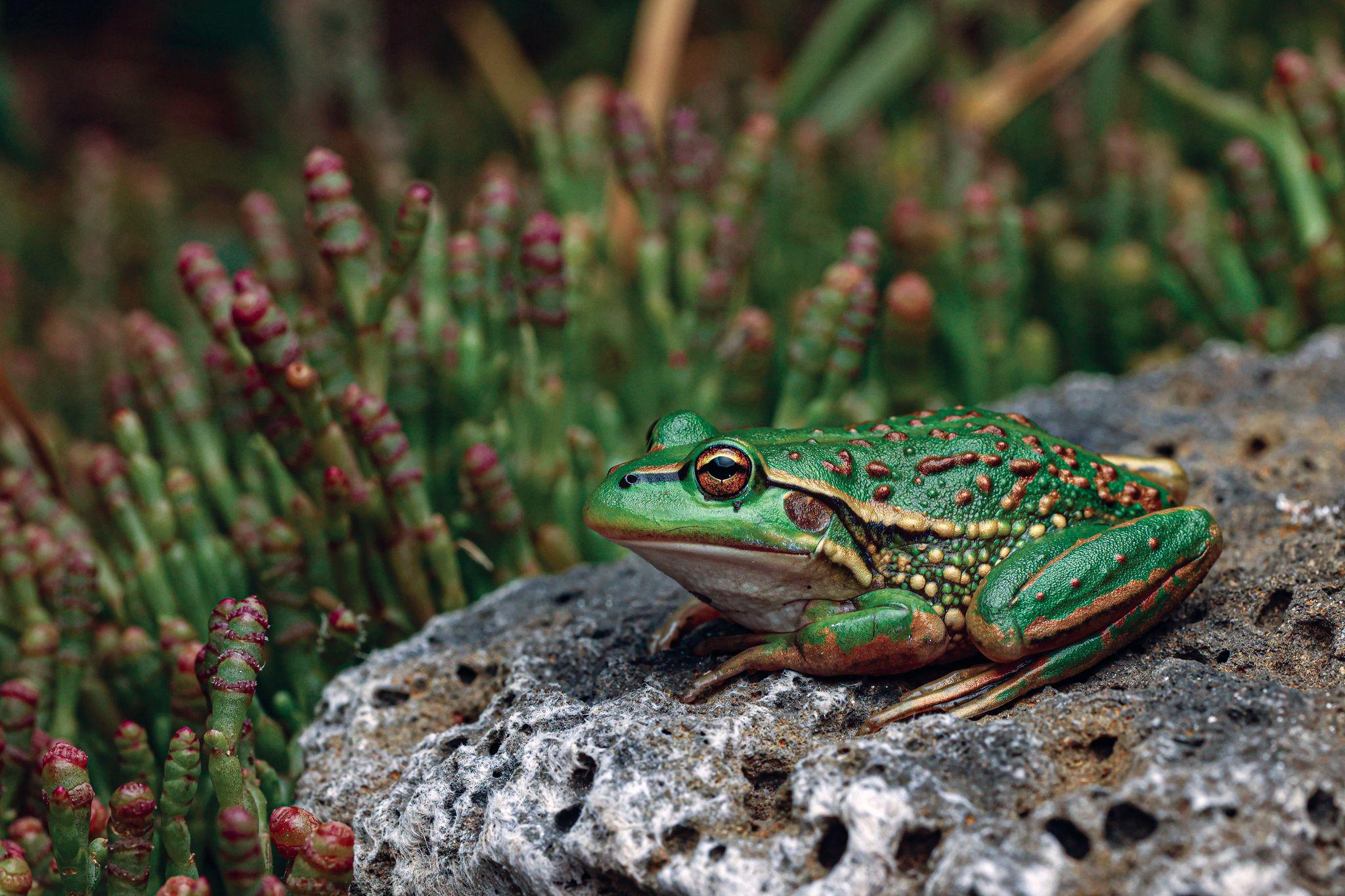
A growling gass frog, listed as 'vulnerable' in Victoria. Photo: frase4days CC-BY-NC iNaturalist
Victoria: the nature-poorest state Six priorities for the next Victorian Government to halt nature loss
Report
17 November 2026
Victoria was once a national leader in nature conservation, pioneering initiatives such as Landcare and Land for Wildlife. But decades of inadequate investment, weakened environmental protections and government inaction have left the state’s biodiversity in serious decline.
Victoria is now the most intensively settled and cleared state in Australia, with half of the state’s native ecosystems destroyed since European settlement, including 79% of native vegetation on private land (Victorian Auditor-General’s Office, 2022).
People in Melbourne have the poorest access to national parks and other conservation areas of any Australian capital city (Taylor et al., 2026).
More than 2,000 species and subspecies are now threatened, and populations of threatened plants and animals have declined by almost 70% since 2000 (TSX, 2026). Once called the garden state, Victoria is now the ‘nature-poorest’ state.
It matters to every Victorian, as people who visit biodiverse natural areas and live surrounded by more nature are physically and mentally healthier, spend less on health services, and are less impacted by climate extremes such as heat waves.
Key findings
This report identifies significant failures in Victoria’s environmental policies, investment and governance:
- Biodiversity conservation is chronically underfunded. The government’s flagship Biodiversity 2037 strategy has consistently failed to meet its annual targets, while funding has declined in real terms. The government has not published a progress report since 2023, and Parks Victoria’s staffing has fallen by more than 30% since 2020–21.
- Native forest logging has not ended. Despite the government’s commitment to end native forest harvesting in 2024, logging continues through private forestry and other mechanisms. Legislative loopholes could allow commercial logging to resume in state forests.
- Biodiversity offset schemes are failing to adequately compensate for habitat destruction. Weaker alternative arrangements for clearing on Crown land and renewable energy developments lack fundamental safeguards to ensure genuine, measurable and lasting biodiversity gains.
- Wildlife laws are outdated and fail to adequately respect First Peoples’ rights. The government has failed to implement key recommendations of the independent Wildlife Act Review, including reforms to strengthen Aboriginal self-determination and protections for native wildlife.
- Melbourne has the poorest access to national parks and other publicly accessible protected areas of any Australian capital city. Population growth has substantially outpaced the expansion of protected areas, while insufficient urban vegetation is limiting opportunities for biodiversity conservation, recreation, improved health and climate resilience.
- Victoria’s climate adaptation policies have weakened despite escalating risks. Recent plans lack clear objectives, measurable outcomes, adequate funding and accountability. The state is poorly prepared to protect biodiversity, communities and infrastructure from worsening climate impacts.
Six priorities for the next Victorian Government
We set out six priorities to reverse these failures:
- Properly fund biodiversity action to reverse declining investment and deliver existing conservation commitments.
- Close logging loopholes to permanently protect native forests and prevent damaging clearing.
- Fix dodgy offset schemes to ensure biodiversity losses are genuinely and permanently compensated.
- Respect First Peoples’ rights in wildlife management and modernise outdated wildlife laws.
- Improve community access to nature by expanding national parks, urban tree cover and biodiverse green spaces.
- Get serious on climate resilience through stronger adaptation planning, investment and accountability.
To restore Victoria’s reputation as the garden state, the next government must commit to meaningful reforms, sustained investment and measurable improvements in the health of Victoria’s nature.
Download the report for the full details.
How to cite this material
Biodiversity Council (2026). Victoria: the nature-poorest state—Six priorities for the next Victorian Government to halt nature loss. November 2026. Biodiversity Council, Melbourne, Australia. https://biodiversitycouncil.org.au/resources/report-victoria-the-nature-poorest-state