The Biodiversity Council is a registered Australian not-for-profit charity, recognised by the Australian Charities and Not-for-profits Commission (ACNC), meeting national standards for integrity, transparency and accountability.
Acknowledgements
The Biodiversity Council acknowledges the First Peoples of the lands and waters of Australia, and pays respect to their Elders, past, present and future and expresses gratitude for long and ongoing custodianship of Country.
The Biodiversity Council is an independent expert group founded by 11 Australian universities to promote evidence-based solutions to Australia’s biodiversity crisis. It receives funding from 11 university partners and The Ian Potter Foundation, The Ross Trust, Trawalla Foundation, The Rendere Trust, Isaacson Davis Foundation, Coniston Charitable Trust, Angela Whitbread and the Nature Impact Collective.
Newsletter subscriptions
*You can read ourprivacy notice to learn how we handle the personal information of people who subscribe to our newsletter.
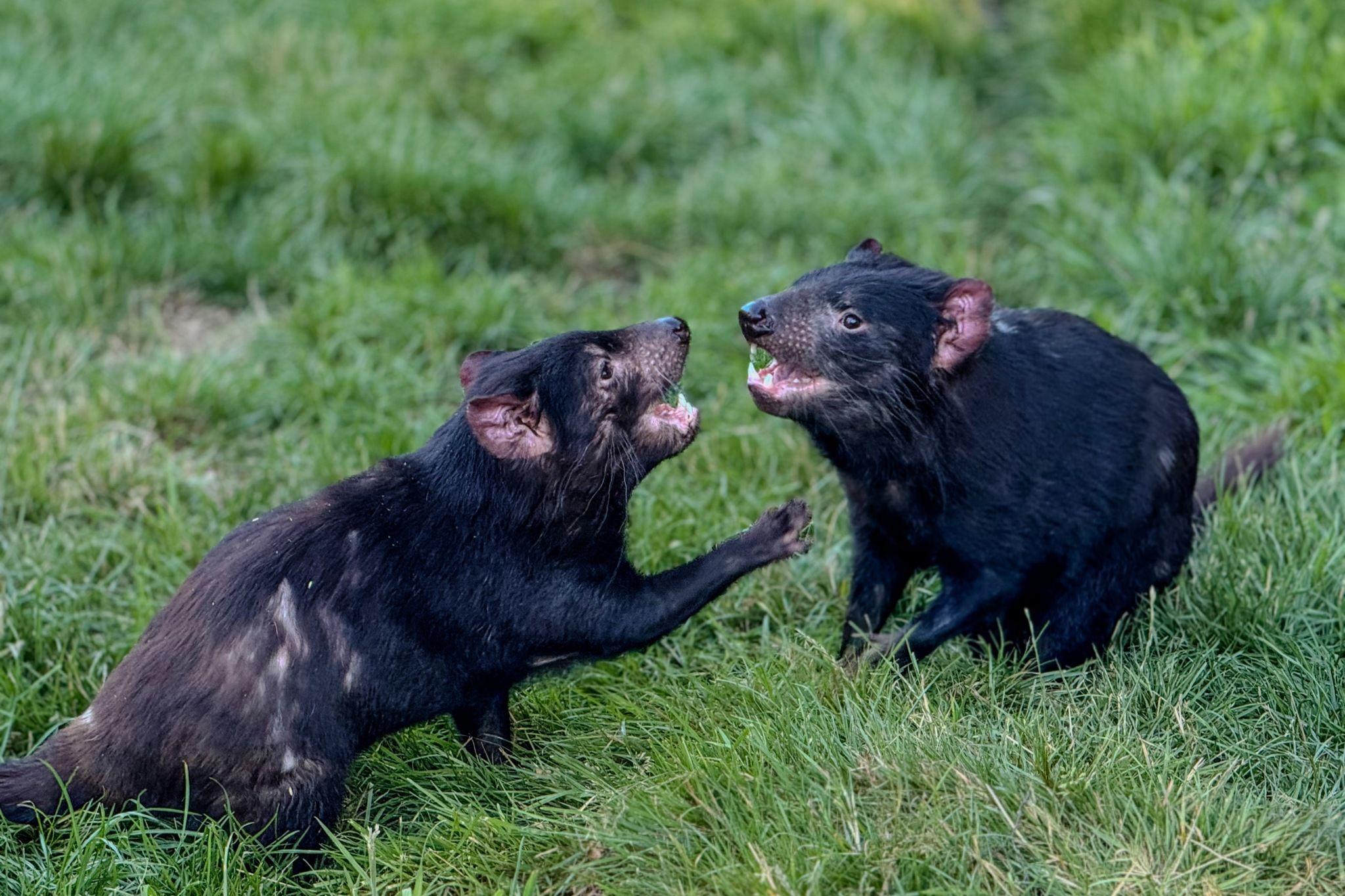
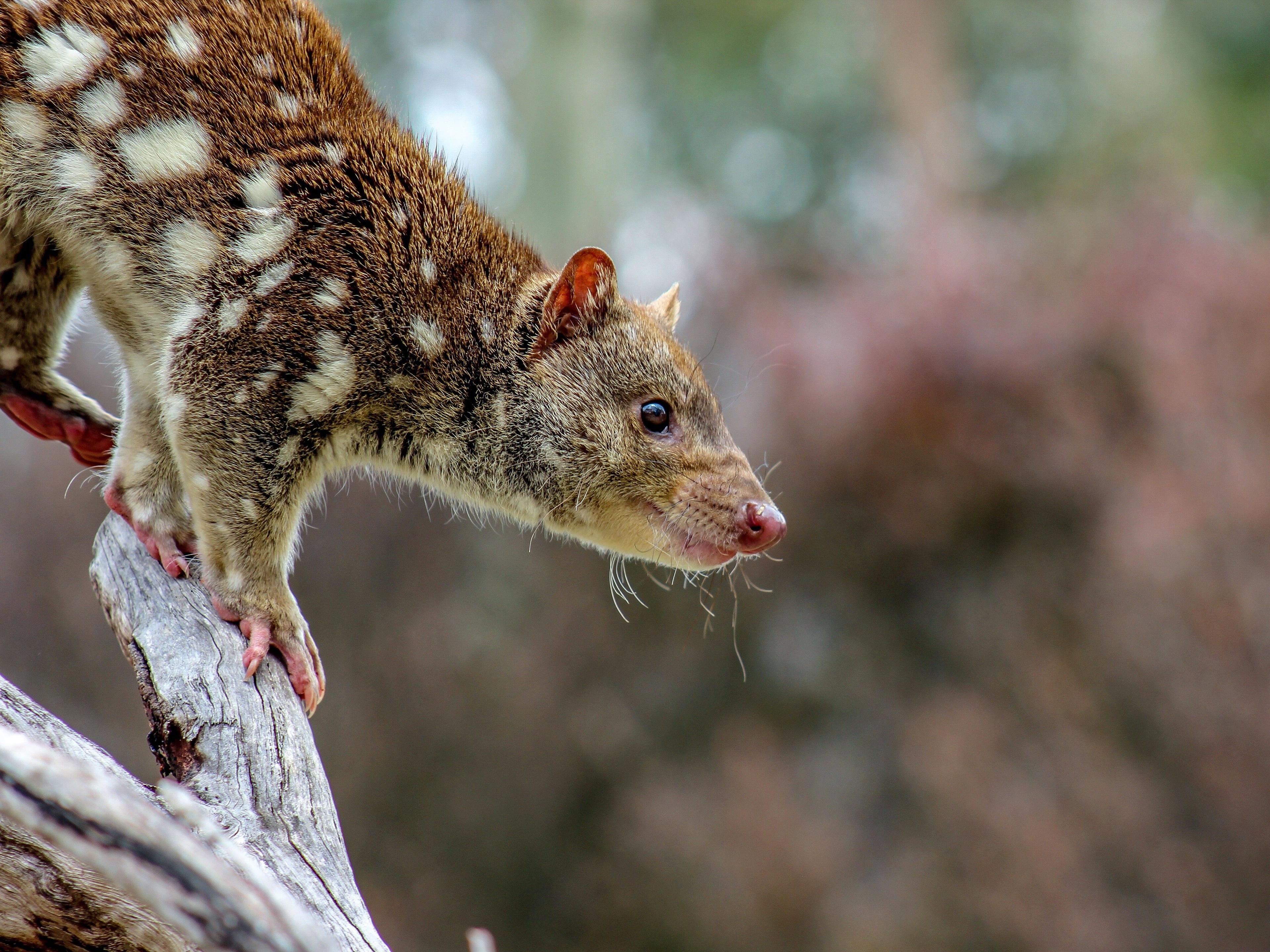
Submission to the Delivering Tasmania’s Threatened Species Strategy
30 April 2026
The Biodiversity Council supports the broad direction of the Draft 'Delivering Tasmania’s Threatened Species Strategy,' but has identified five key concerns and how to address them.
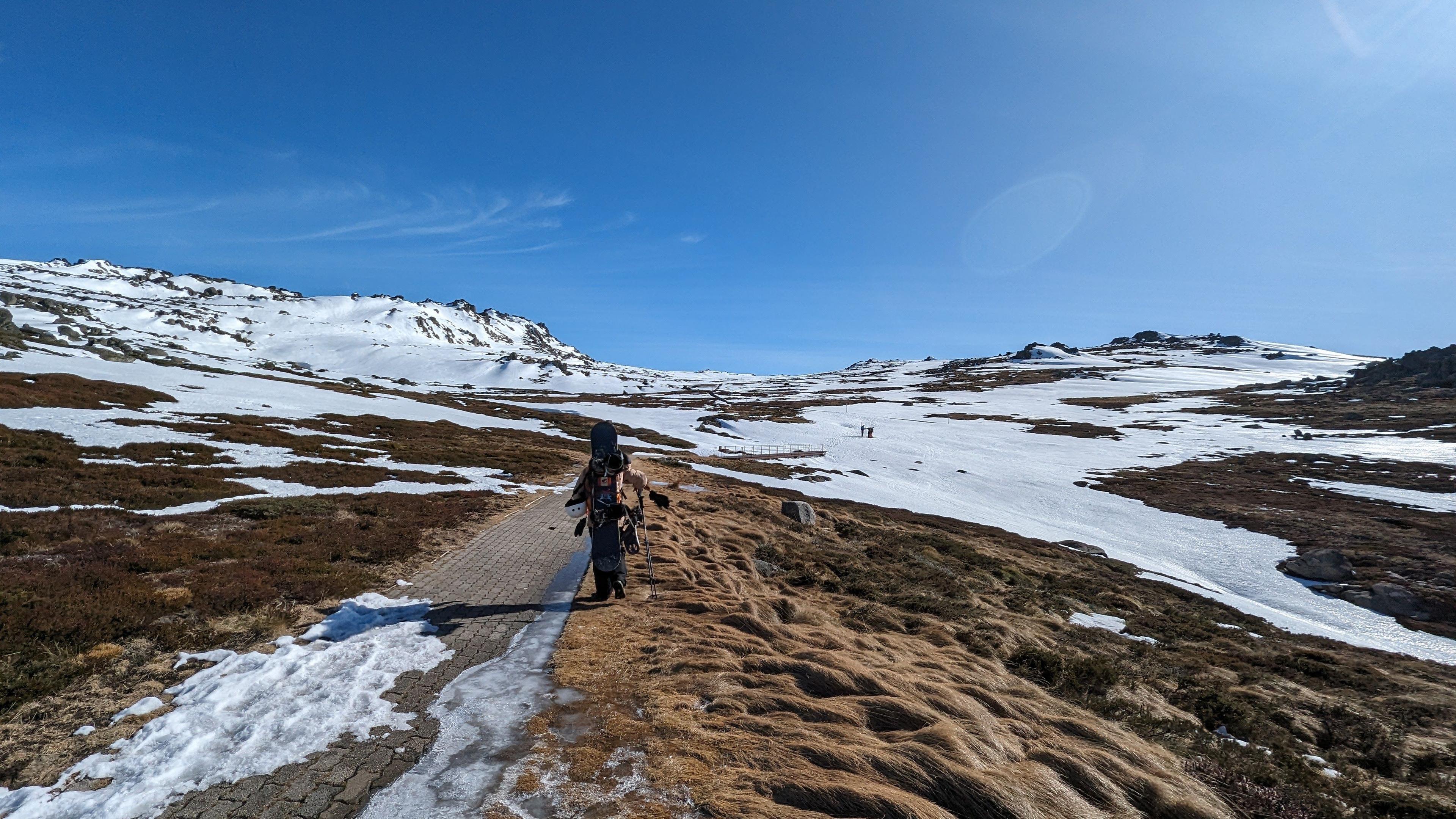
Submission to the 2026-2030 Alpine Resorts Strategic Plan
24 March 2026
The 2026-2030 Alpine Resorts Strategic Plan recognises that building resilience to climate change is “paramount to the industry’s future” but neglects the threat to the natural environments that the resorts depend on.
The Biodiversity Council calls on the Australian Government to commit to immediately lifting investment on nature protection and restoration priorities, as well as biodiversity monitoring and research.
Submission to the National Environmental Standard for Matters of National Environmental Significance
30 January 2026
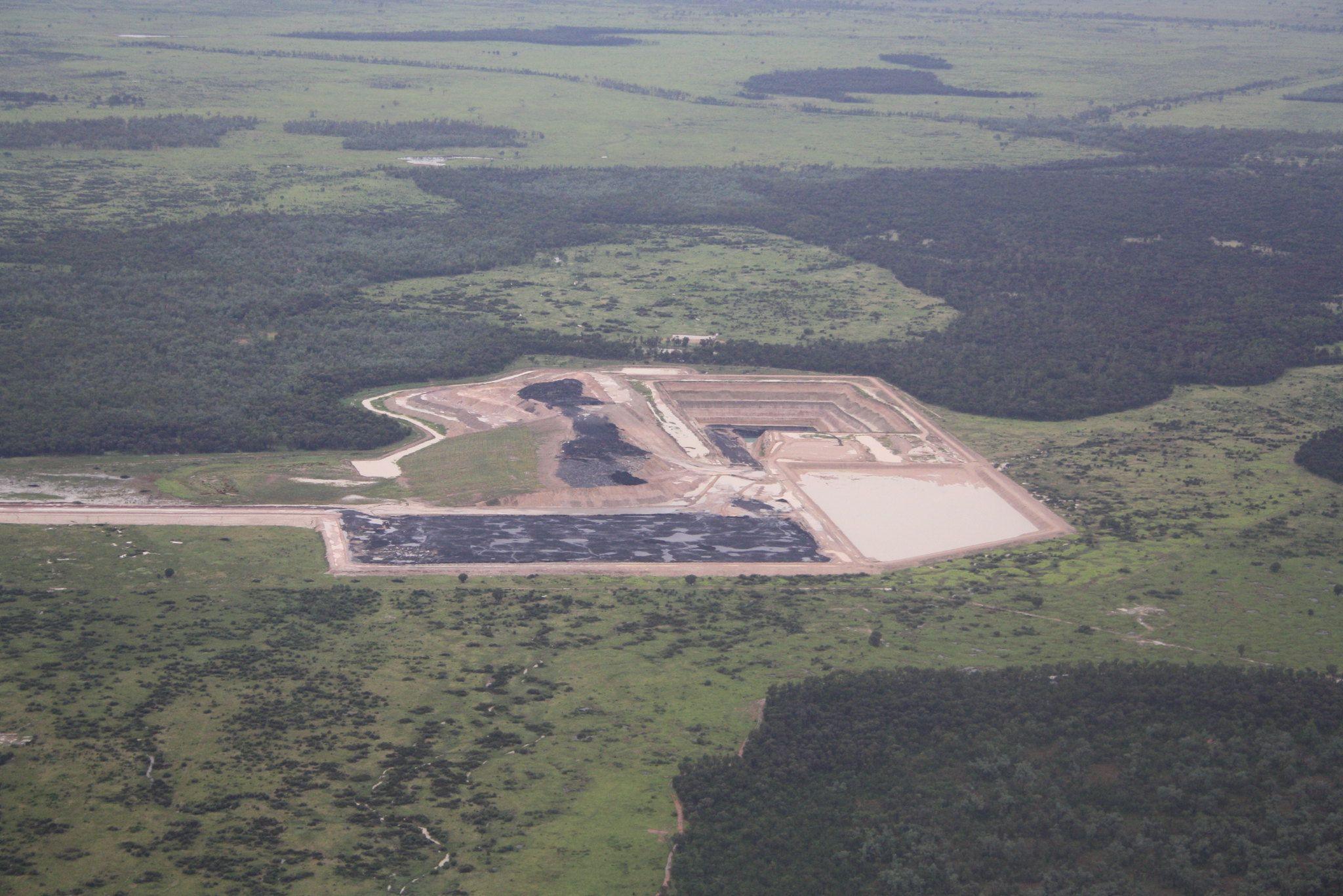
The Biodiversity Council welcomes the opportunity to provide feedback on the draft National Environmental Standard for Matters of National Environmental Significance (MNES).
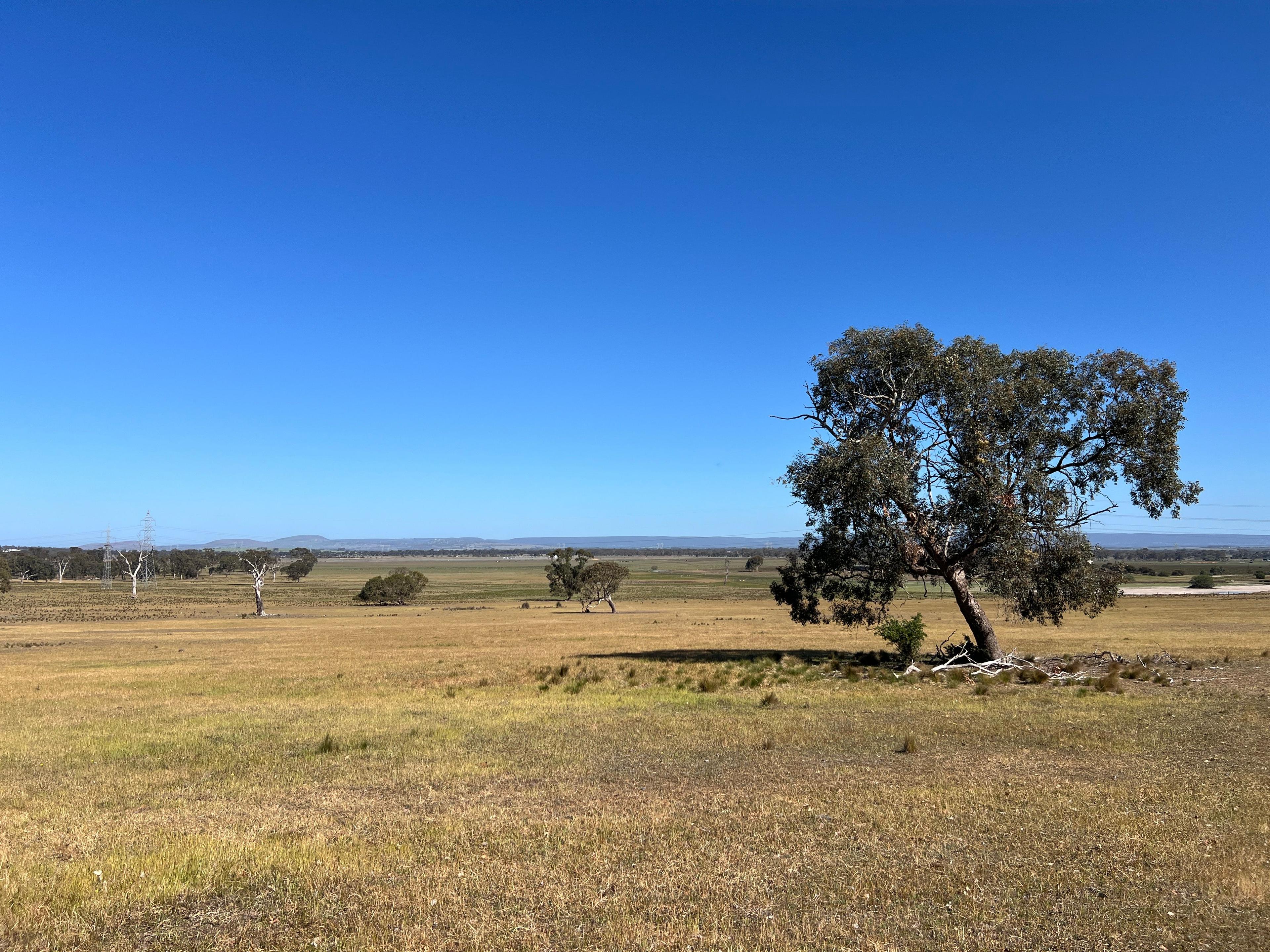
Submission to the Draft National Recovery Plan for the Grassy Eucalypt Woodland of the Victorian Volcanic Plain
19 December 2025
The Biodiversity Council welcomes the opportunity to provide feedback on the Draft National Recovery Plan for the Grassy Eucalypt Woodland of the Victorian Volcanic Plain.
A snapshot of the extraordinary impact we achieved together in 2025, strengthening our position as Australia’s trusted, independent expert voice for biodiversity