$20M bird flu package leaves wildlife at risk
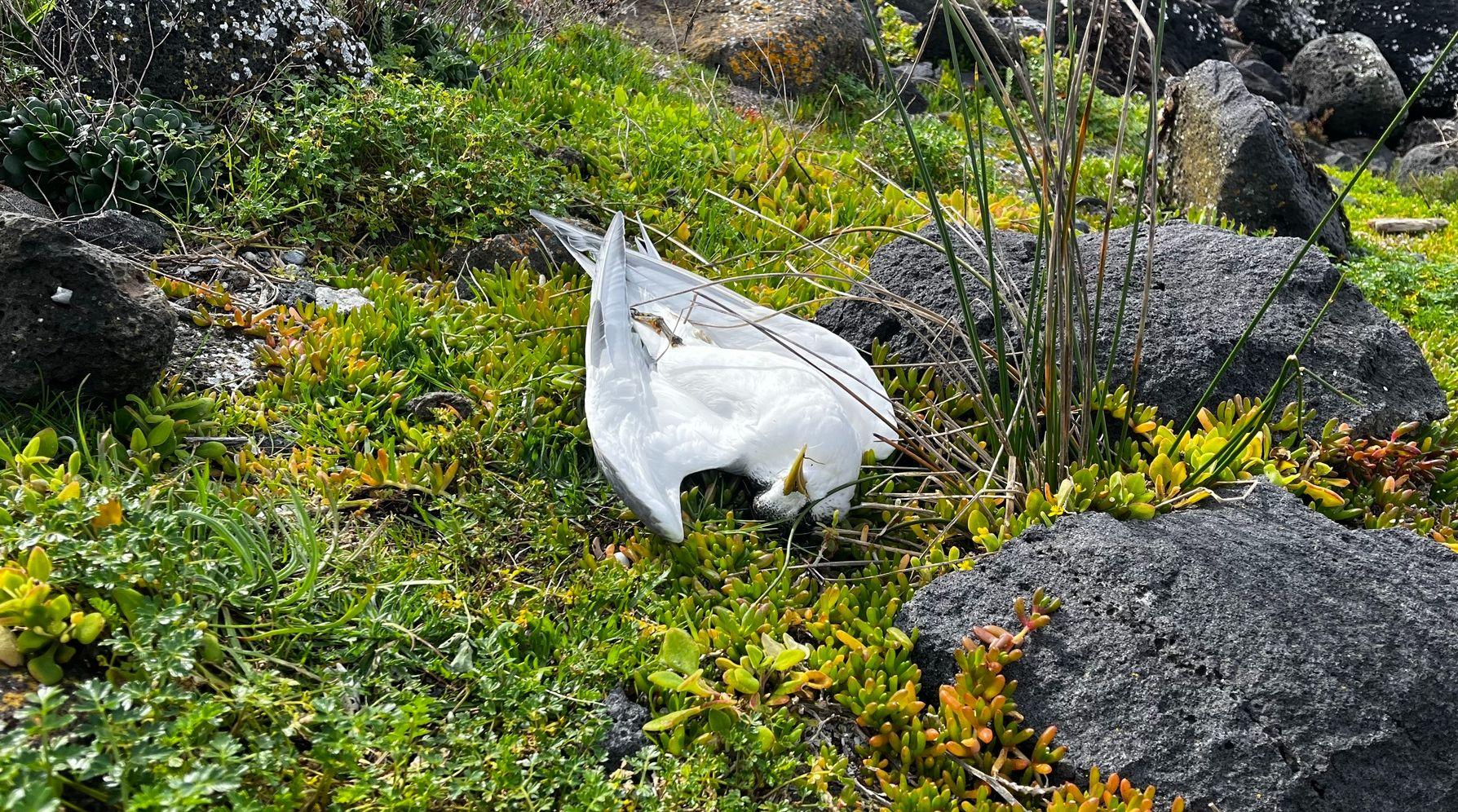
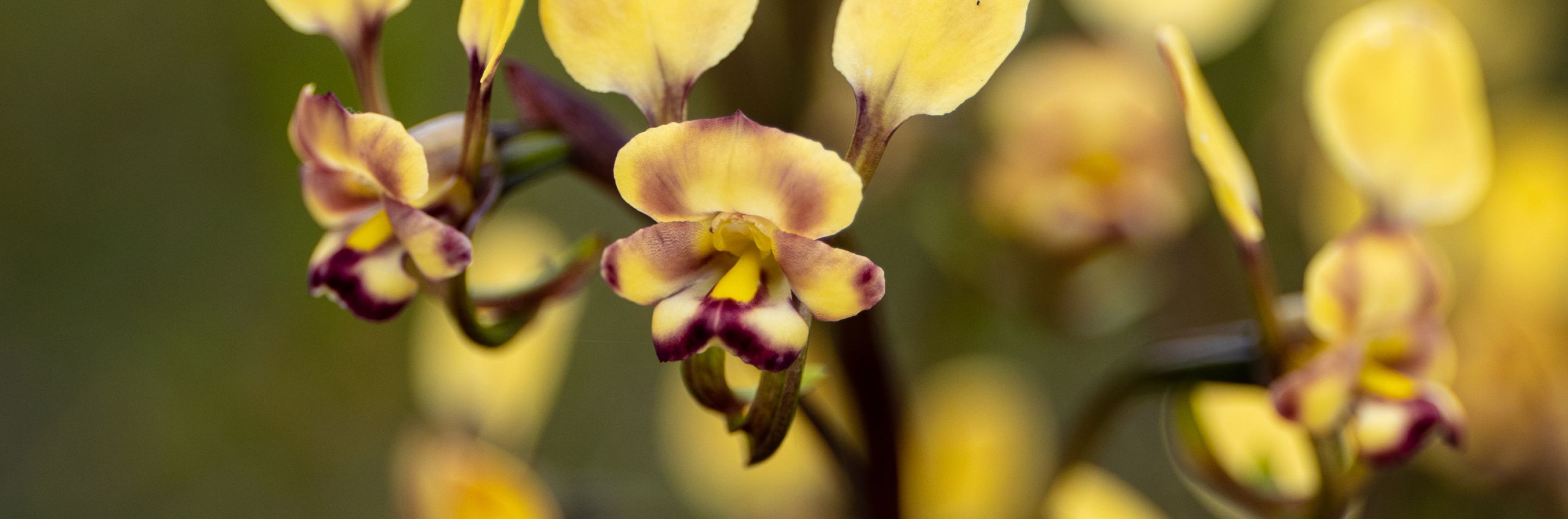
Source: kycoh / iNaturalist CC BY-NC
Media Release
27 August 2026
Leading science and conservation groups say today’s announcement of $20 million to build wildlife resilience in the face of bird flu is grossly inadequate and are renewing calls for $200 million over 2 years.
They call out that this barely replaces this year's $17.2 million cut to the Threatened Species Program, leaving Australia no better prepared for the growing threats facing our wildlife.
Birdlife Australia, the Australian Land Conservation Alliance (ALCA), the Biodiversity Council, and other science and conservation groups have repeatedly called for $200M in new investment to protect at-risk wildlife.
Yesterday, the Biodiversity Council, ALCA, Australian Mammal Society and Southern Australian Aboriginal Land and Sea Management Alliance also released an action plan for how the money should be invested for greatest benefit.
Source: mochasquirrel iNaturalist CC BY-NC
ALCA CEO Dr Jody Gunn says $20 million is grossly insufficient for the scale of the threat.
"This decision undermines decades of conservation effort. Tragically, it will have disastrous consequences for Australia’s most vulnerable wildlife,” Dr Gunn said.
“It is especially disappointing considering a government bailout of a Rio Tinto aluminium smelter will cost taxpayers $2.5 billion.
“When governments will invest billions to protect a single industrial asset, it's hard to understand why they won’t invest $200 million to help protect Australian wildlife across the country from this catastrophic threat.”
“Our native species are irreplaceable national assets. Once they're gone, they're gone forever."
Birdlife Australia CEO Kate Millar said Australians deserve a government response that matches the scale of the impact to the wildlife they love.
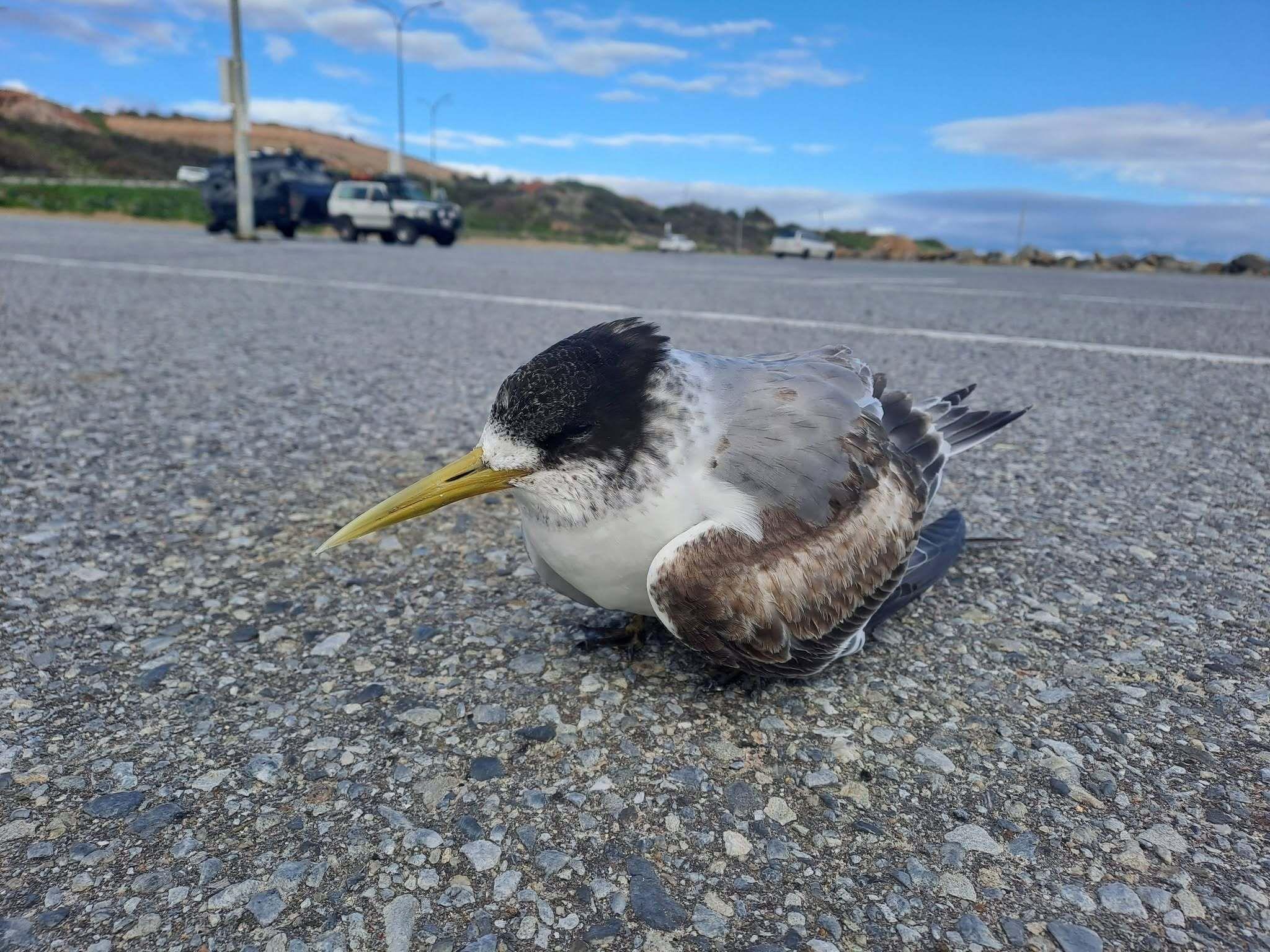
“Communities in South Australia and Victoria are already seeing devastating consequences, with dead and dying birds washing up on beaches.
“The Federal Government has committed to preventing extinctions in Australia. They must back this with meaningful investment. We can’t allow wildlife resilience to become an afterthought while this virus spreads.”
Biodiversity Council member Professor Hugh Possingham FRS, a world-leading expert in bird and conservation science at the University of Queensland, says how the money is spent is also critical, and even more so with such a small purse to draw from.
“With so little money on the table, it’s more important than ever that it moves quickly to the species at greatest risk and the actions that will make the greatest difference,” Professor Possingham said.
“We have developed an action plan that provides a roadmap to bring together experts, Traditional Knowledge holders and on-ground managers to identify where to act, what to do and when.”
“This funding must not disappear into business-as-usual conservation programs - it has a specific job: reducing the risk that bird flu pushes our most vulnerable wildlife closer to extinction.”
“We are calling on Australian governments to work together to adopt this evidence-based approach.”