$200 million rapid-response action plan to protect Australian wildlife at greatest risk from H5N1 bird flu
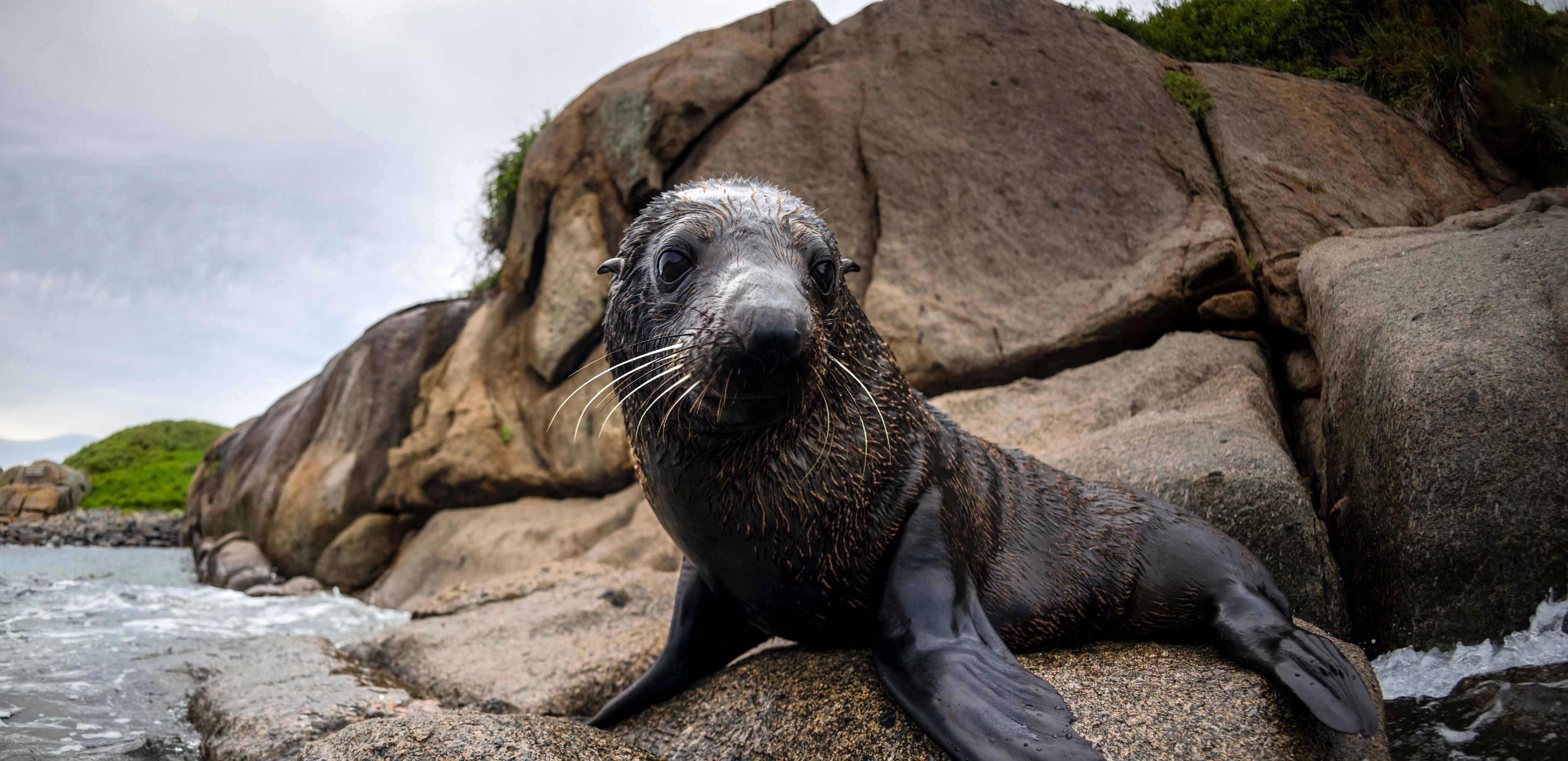
Source: Gergo Rugli / Great Southern Reef Foundation
Media Release
26 August 2026
To stem the loss of Australia’s iconic wildlife from the unfolding bird flu emergency, four national environment, land management and scientific organisations have put forward a rapid-response action plan that will enable the Australian Government to rapidly deploy the $200-million investment that leading nature groups have been calling for since July.
The groups welcomed the Government’s recent species risk assessments but say Australia must now move rapidly from identifying wildlife at risk to delivering prioritised action on the ground.
The proposal from the Biodiversity Council, Australian Land Conservation Alliance, Southern Australian Aboriginal Land and Sea Management Alliance and Australian Mammal Society targets investment to the species most at risk, and the places, actions and timing that will make the greatest differences for them.
They say the $200 million must be new investment, additional to existing conservation and agricultural biosecurity programs.
The Government’s recent assessment identified 340 bird species and 32 mammal species at high, very high or extreme risk from H5N1, including 48 threatened species. Many are central to Australian identity and Aboriginal and Torres Strait Islander Cultures, including pelicans, swans, shearwaters and ducks, and iconic mammals such as Australian sea lions, dingoes, Tasmanian devils and platypuses.
The groups say not acting rapidly and effectively will increase community levels of ecological grief and distress over wildlife impacts, and regional eco-tourism will take a bigger hit.
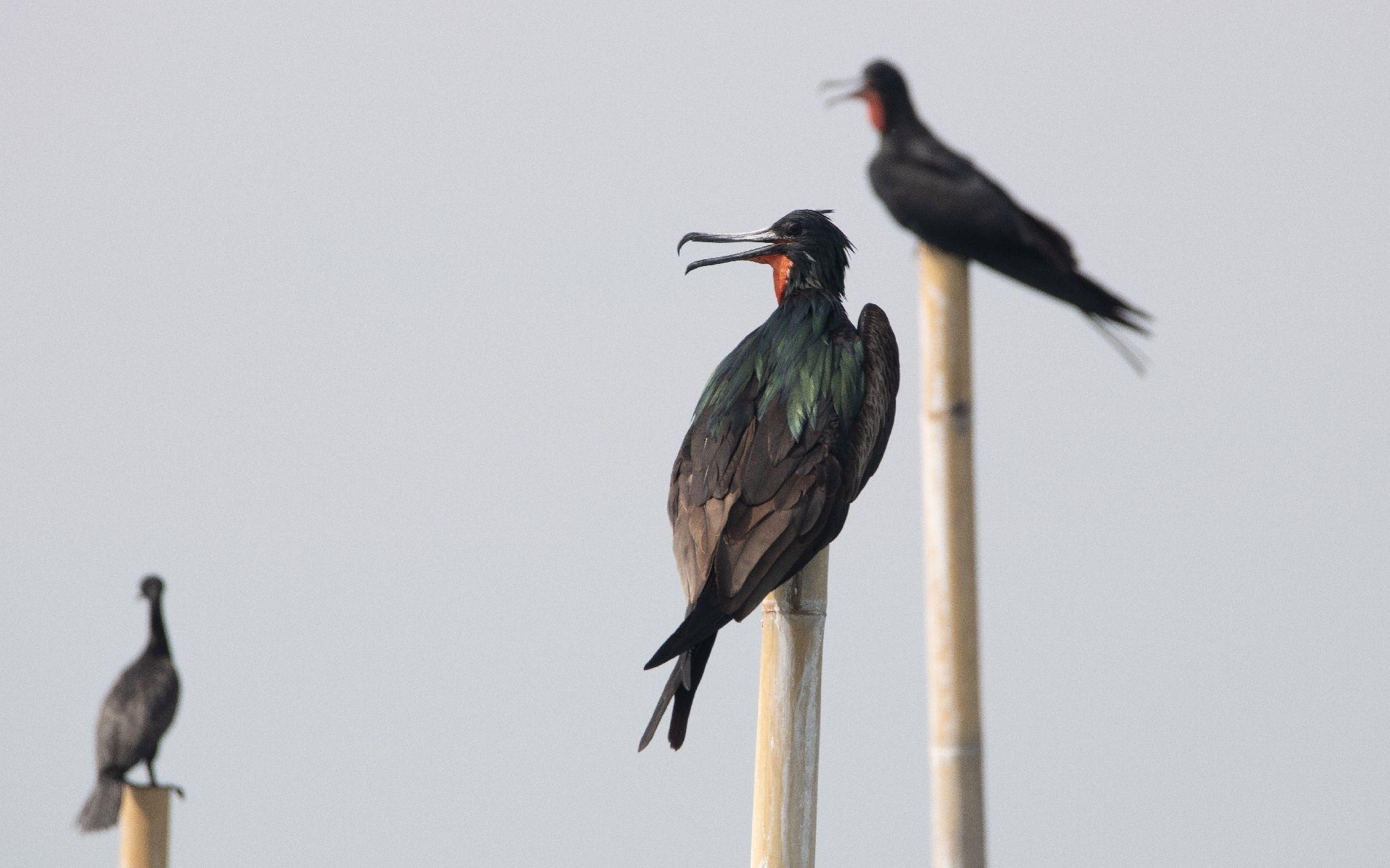
The H5N1 bird flu risk for the Christmas Island frigatebird is predicted to be "extreme", according to the Government's National risk assessment score. Source: Paleoraptor_ / iNaturalist
Biodiversity Council Lead Councillor and Aboriginal researcher Dr Teagan Shields, from Curtin University, said many species at high risk are culturally significant and deeply connected to Country.
“Traditional Custodians and Indigenous scientists must help determine priority places and actions. In many places, Aboriginal and Torres Strait Islander organisations and ranger groups will be best placed to lead the work.
“Where others lead, they must work with Traditional Custodians and enable their meaningful participation in protecting and recovering wildlife on Country.”
Conservation decision science expert and Biodiversity Council Lead Councillor Professor Hugh Possingham FRS from The University Queensland, said action must be rapid but prioritised to ensure the most at-risk wildlife don’t miss out on game-changing actions.
“We can’t do everything everywhere. We need to rapidly identify the species and places where intervention can make the greatest difference, what actions will be most effective and have funding ready to flow when it is needed.”
Australian Mammal Society President and Biodiversity Council member Professor Euan Ritchie from Deakin University said that while Australia cannot stop H5N1 spreading, it can act to reduce the severity of impacts.
“Governments can and should urgently increase investment in actions to reduce other threats and pressures on wildlife populations, so they have a better chance of surviving through the outbreak and recovering.
“Well-targeted and well-resourced actions now could make a genuine difference between populations persisting and recovering or being pushed rapidly toward extinction,” Professor Ritchie said.
Australian Land Conservation Alliance CEO Dr Jody Gunn said the scale and speed of the threat means Australia must mobilise conservation capability wherever it exists.
“Once priority actions are identified, governments should rapidly engage the organisations best placed to deliver them – whether Traditional Custodians, government agencies, conservation organisations, land managers, researchers or local groups.
“We mobilised capability across sectors and jurisdictions following major bushfires. We need to do that again now.”