Feeding wild birds can spread bird flu: Experts have four ways to reduce the risk
Source: Jaana Dielenberg
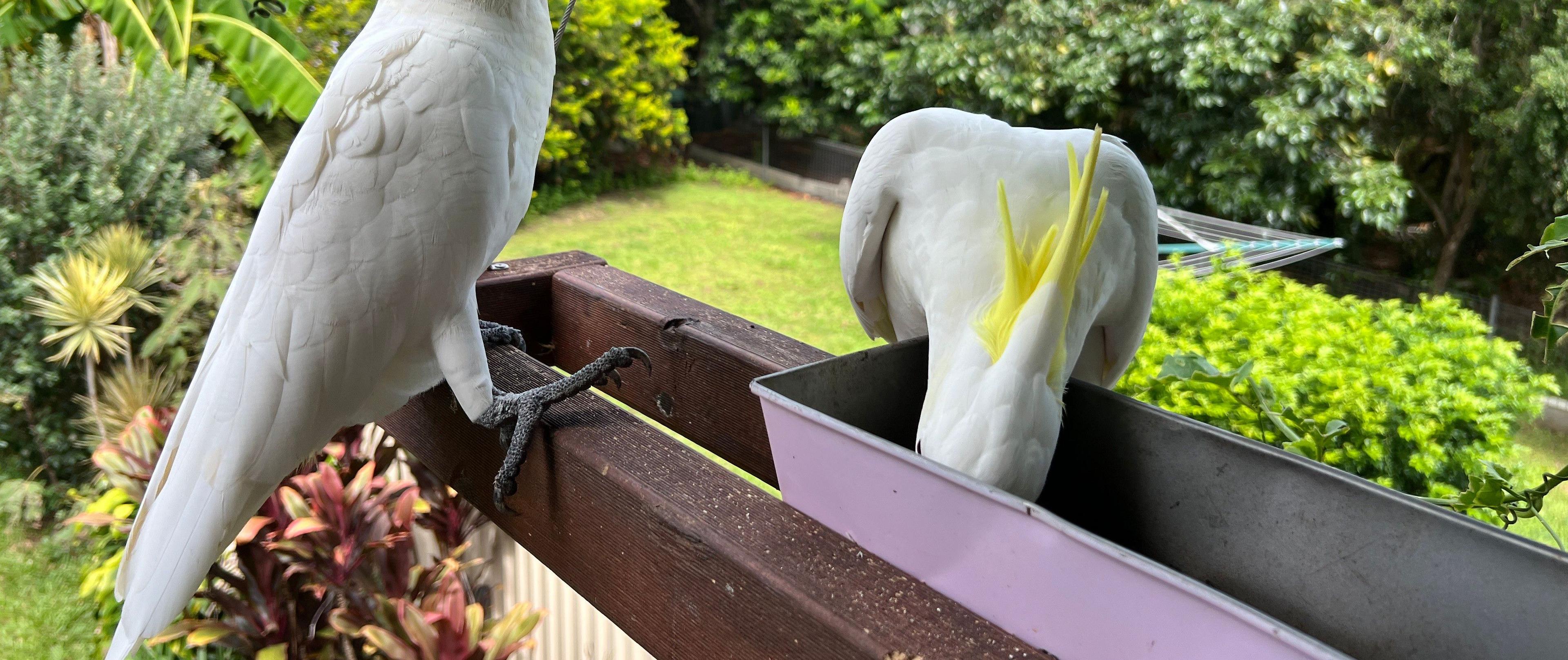
One third to half of Australians feed wild birds, according to research led by Griffith University.
As H5 bird flu spreads, people who feed wild birds are being urged to rethink how they do it, with the Biodiversity Council warning that backyard bird feeders can create hotspots for disease transmission.
Griffith University Professor Emeritus Darryl Jones has spent decades researching why people feed wild birds and the effects on birds. He is also the author of Feeding the birds at your table, A guide for Australia.
“People feed birds because they love them and care deeply about them, and many people are unlikely to stop,” Professor Jones said.
“But feeding can bring large numbers of birds, often of different species, together in one place in a way that rarely happens naturally. With H5 bird flu here, that increases the risk of disease spreading.”
The Biodiversity Council has four key messages for people who feed wild birds:
- Stop feeding if you can. This reduces birds congregating and opportunities for the virus to spread – and the birds will be fine without your food.
- Clean thoroughly every day. If you continue feeding, thoroughly clean and disinfect feeders and feeding surfaces at least daily.
- Put out less food. Smaller amounts attract fewer birds, reducing crowding and opportunities for transmission.
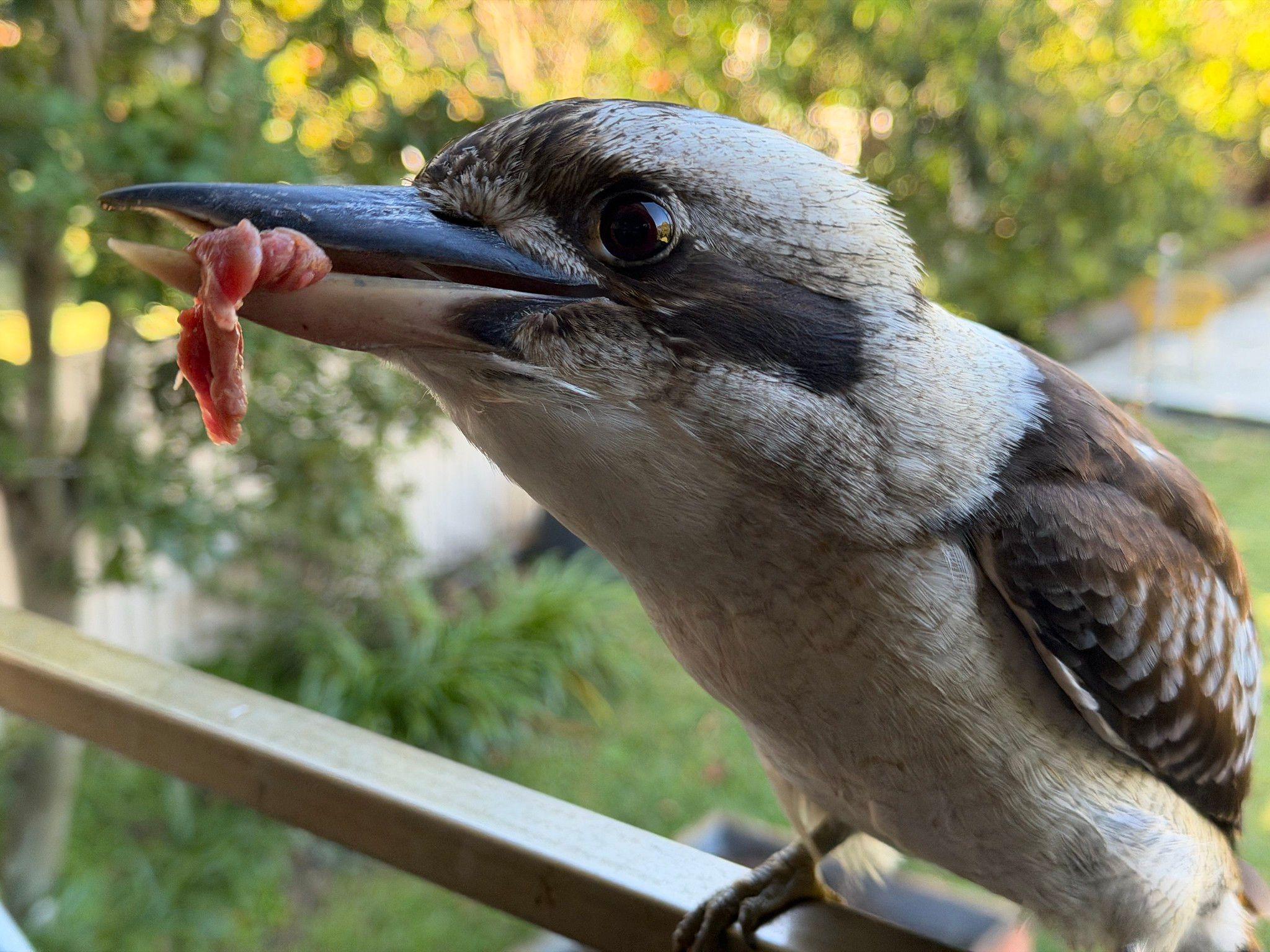
- Stop hand feeding. Avoid direct contact with wild birds and don't encourage them to eat from your hands.
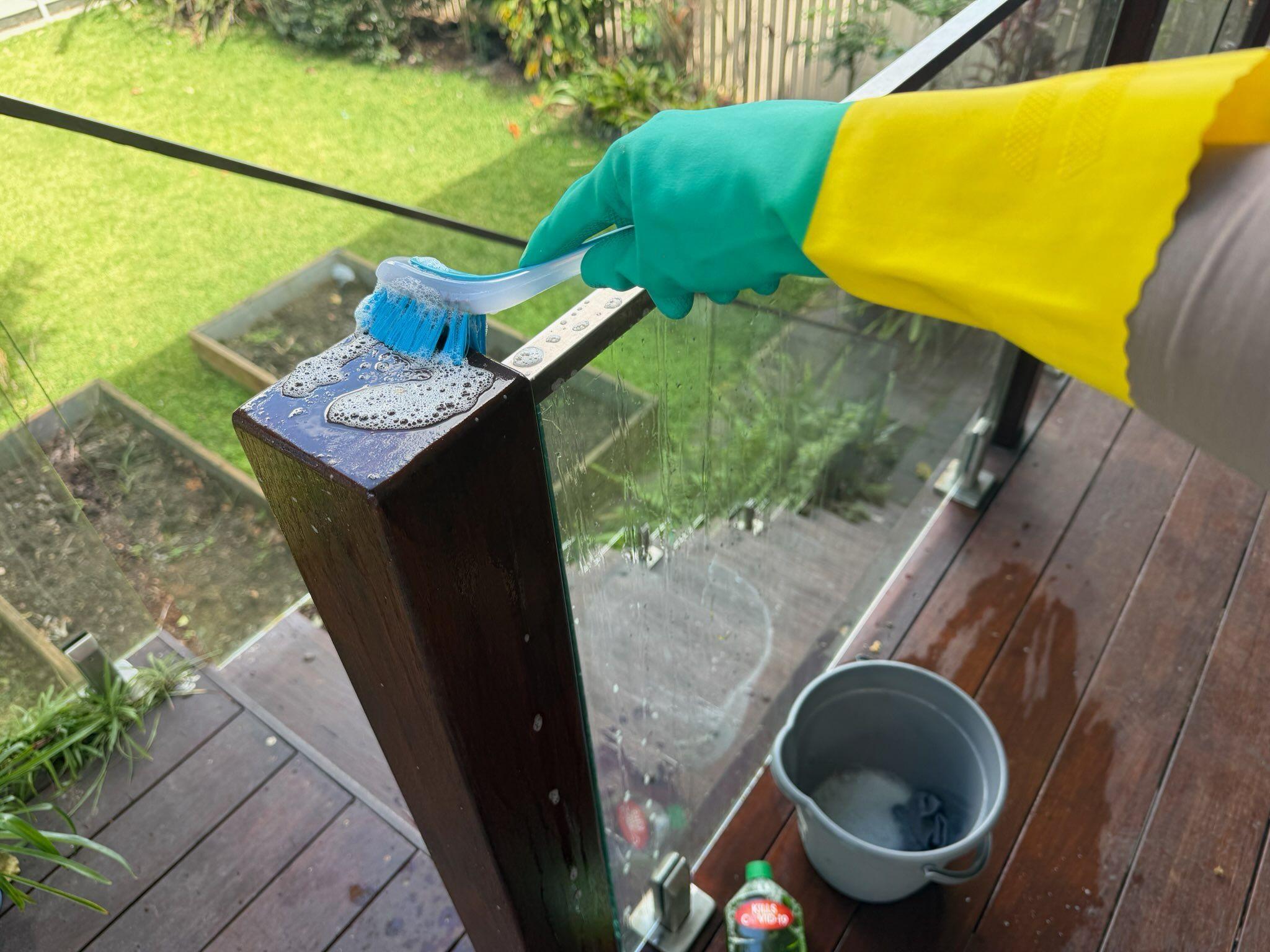
Cleaning thoroughly with disinfectant after feeding is necessary to reduce the risk of bird flu spreading.
“The good news is you can stop feeding birds, and they will be fine,” Professor Jones said.
“Our research found that even birds visiting feeders every day typically get less than 10% of their diet there. They are still finding most of their food naturally.
“If you have to keep feeding, reduce disease transmission risks by thoroughly cleaning and disinfecting feeders and feeding surfaces at least every day.
“With bird flu here, we need to be obsessive about hygiene. A quick wipe with a damp cloth is not enough.
“Also, put out less food so fewer birds congregate. Even without the threat of bird flu, it is better to give birds a small snack than a meal. Many human foods, such as mince, bread and rice, are essentially bird ‘junk food’.
“It is also time to stop hand feeding. Close contact creates unnecessary opportunities for disease transmission, so people should no longer feed wild birds directly from their hands.
“People who feed birds care about them. Right now, changing how we feed them is part of that care.”
Deakin University H5 bird flu expert Professor Marcel Klaassen agreed that bird feeding activities that bring birds together create more opportunities for the H5 bird flu virus to spread.
“Infectious diseases like influenza spread through direct and indirect contact. If you create hotspots where birds aggregate and increase contact rates – for example through bird feeders – you increase that risk,” Professor Klaassen said.
Source: Jaana Dielenberg