Keep dogs leashed as bird flu spreads, wildlife experts urge
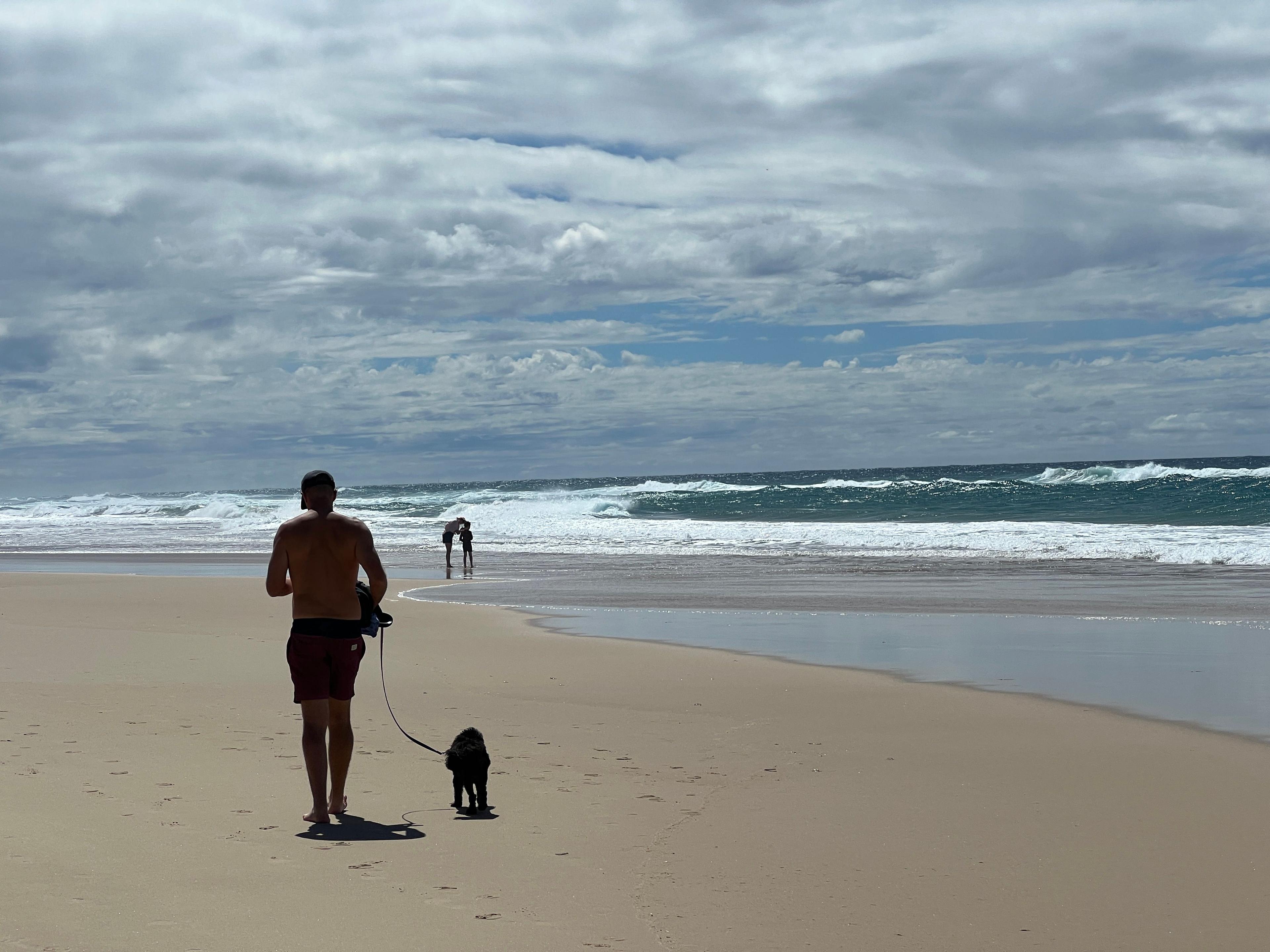
Walking dogs on leash on beaches helps birds at all times, but is especially important as H5 bird flu disease spreads across Australia infecting native birds and mammals.
As deadly H5 bird flu spreads among wild birds in Australia, the Biodiversity Council is urging dog owners to keep their pets leashed around beaches, lakes and rivers to protect wildlife, their dogs and their families.
Biodiversity Council and mammal expert Professor Euan Ritchie from Deakin University said even beaches that normally allow dogs off leash should be treated cautiously wherever birds or other wildlife are present.
"We know many responsible dog owners are already doing the right thing, but we urgently need everyone to get the message: it’s always best to keep your dog on a leash and well away from all wildlife, living, sick or dead. This helps protect our wonderful native wildlife and our much-loved canine companions too," Professor Ritchie said.
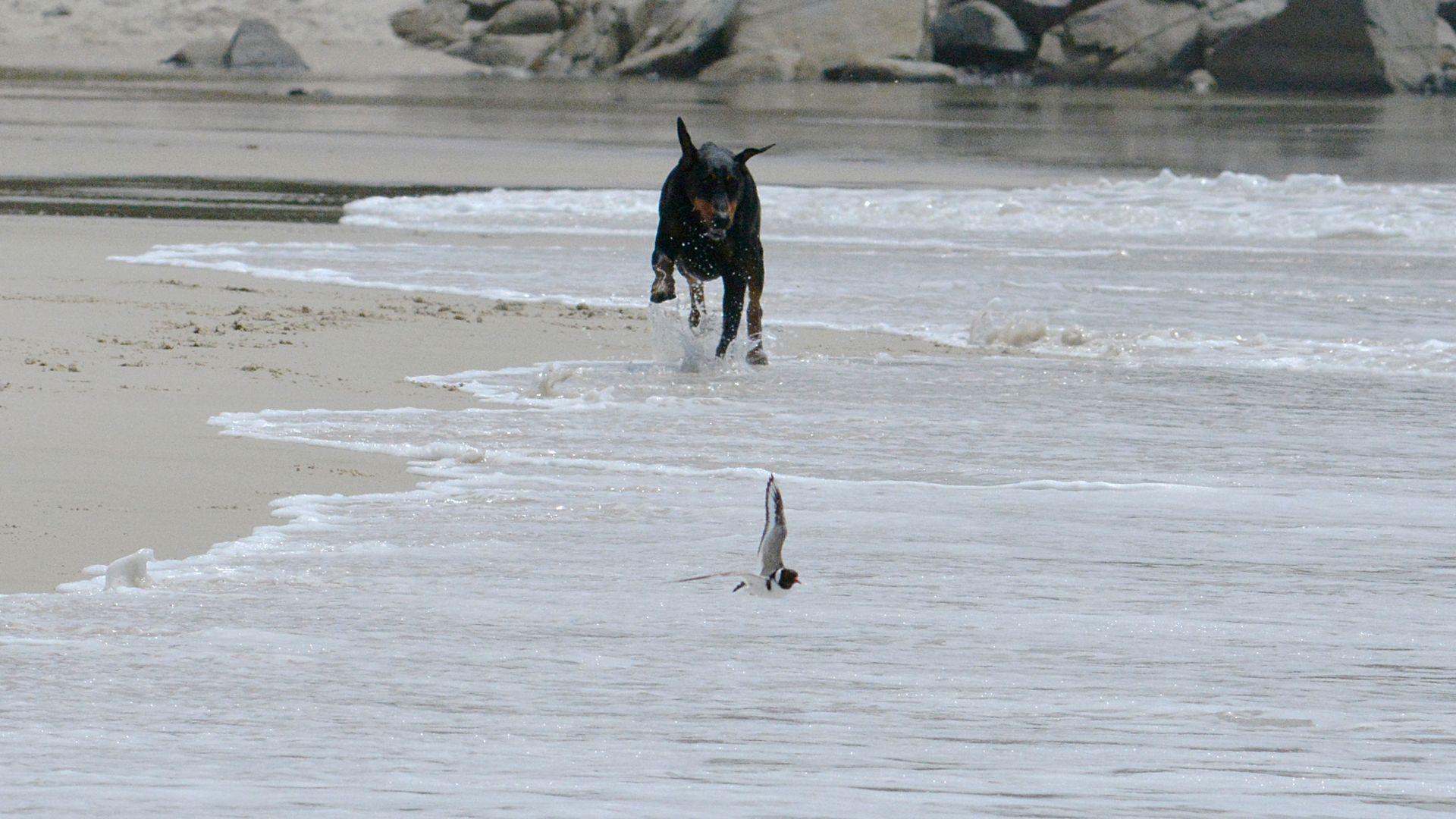
"Allowing dogs to chase healthy birds reduces their time for feeding and causes stress. Elevated stress can impact animals’ immune systems and likelihood of contracting diseases. And dogs chasing already sick birds can compound their suffering.
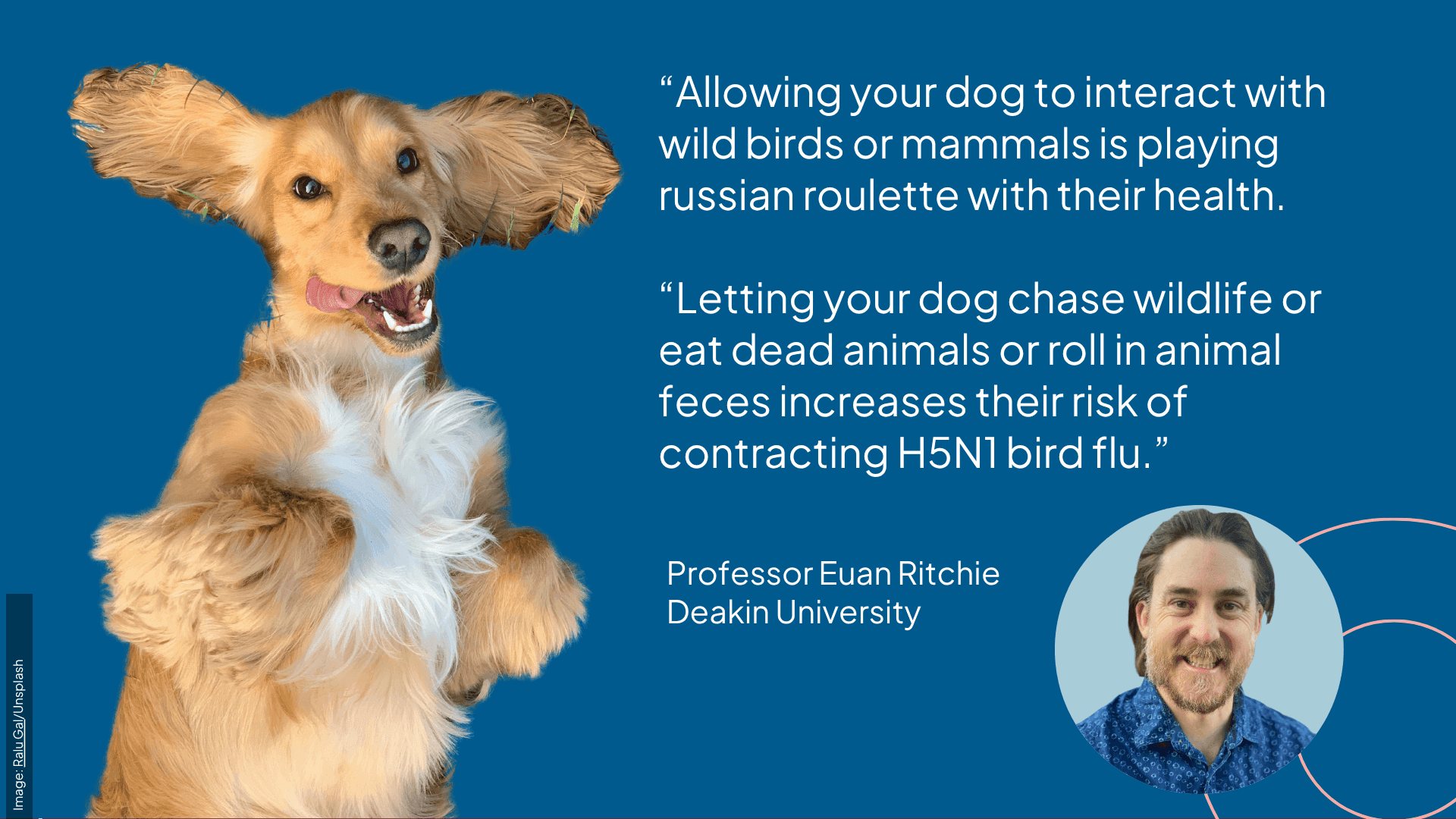
“Allowing your dog to interact with wild birds is playing russian roulette with their health; it increases their risk of contracting H5N1 bird flu.”
Wildlife volunteers in South Australia have reported dogs chasing visibly sick seabirds and attempting to sniff, touch or scavenge carcasses while suspected bird flu cases were being reported and collected.
"I can’t overstate this risk. We love our dogs, they are much-loved family members. Overseas, H5 bird flu has infected many mammal species, including domestic cats and dogs, and there have also been human infections following close contact with infected animals," said Professor Ritchie, who is also President of the Australian Mammal Society.
"Don't let your dog approach any wildlife, healthy, sick or dead, and don’t let them roll in or eat animal faeces. Keep them leashed to keep them a safe distance."
The Biodiversity Council is asking dog owners around beaches, wetlands, lakes and rivers to:
- Keep dogs leashed and away from wildlife, even in normally off-leash areas where birds are present.
- Never allow dogs to chase wildlife or investigate carcasses.
- Don't touch or move sick or dead wildlife yourself.
- Report sick or dead wildlife to the Emergency Animal Disease Hotline on 1800 675 888.
- Contact a veterinarian promptly if your dog has had contact with potentially infected wildlife and becomes unwell.
"Putting your dog on a leash is a very simple action that can protect wildlife, your pet, your family and the wider community," Professor Ritchie said.
The Biodiversity Council is an independent expert group founded by 11 Australian universities.