Privatisation of Melbourne sewerage system would put globally significant wetlands and Port Phillip Bay at risk
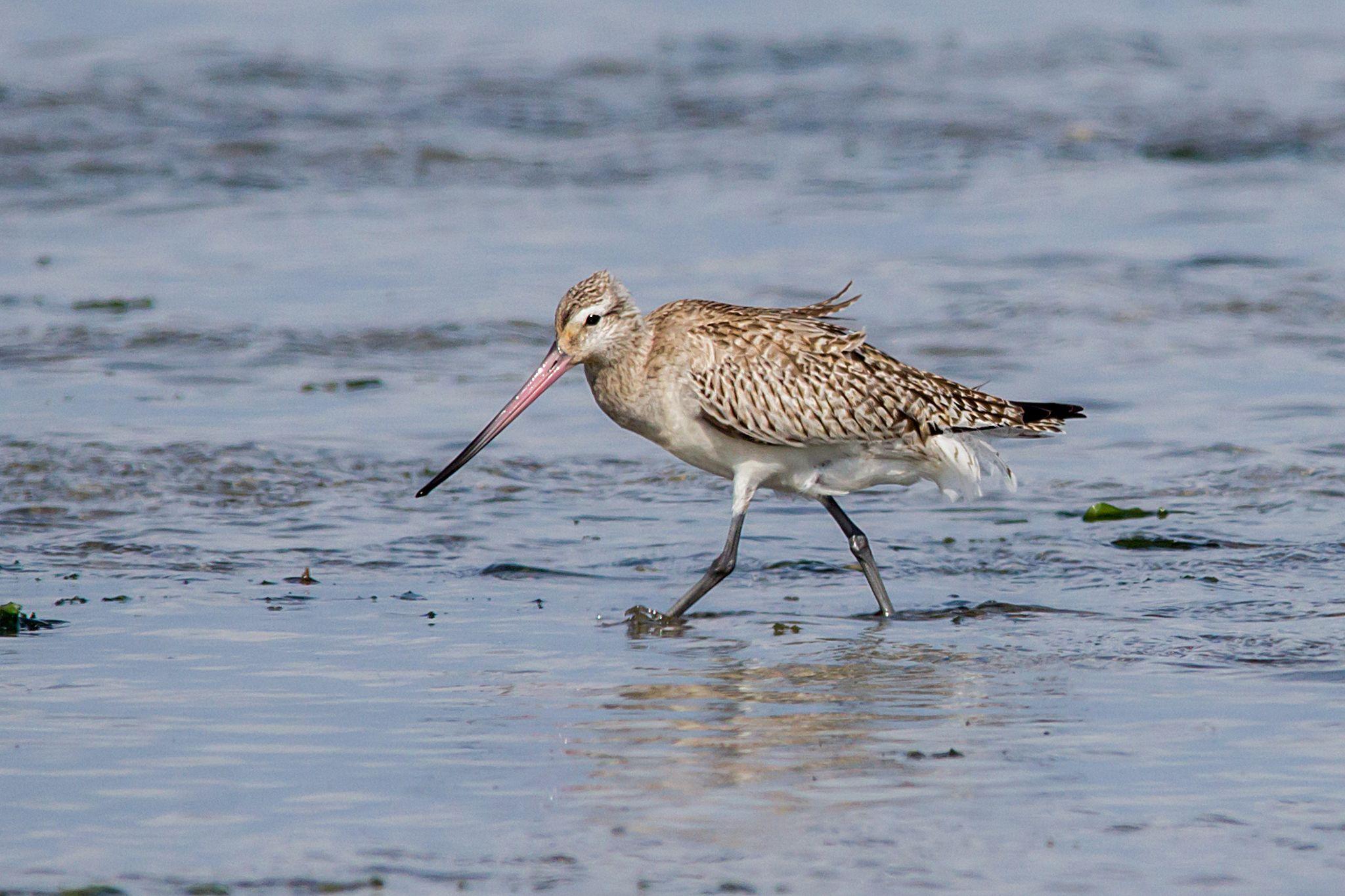
A bar-tailed godwit at Melbourne Water's Western Treatment Plant wetlands. Image: Andrew Allen (CC-BY) iNaturalist
Victorian Liberal Leader Jess Wilson’s plan to privatise Melbourne’s sewerage infrastructure with a 90-year lease risks disastrous consequences for Melbourne’s environment, including internationally important wetlands that support migratory birds from across the globe, according to independent expert group, the Biodiversity Council.
The proposal, announced today, covers Melbourne Water’s Western Treatment Plant (WTP) at Werribee, Eastern Treatment Plant at Bangholme, 400 kilometres of sewers and nine sewage pumping stations.
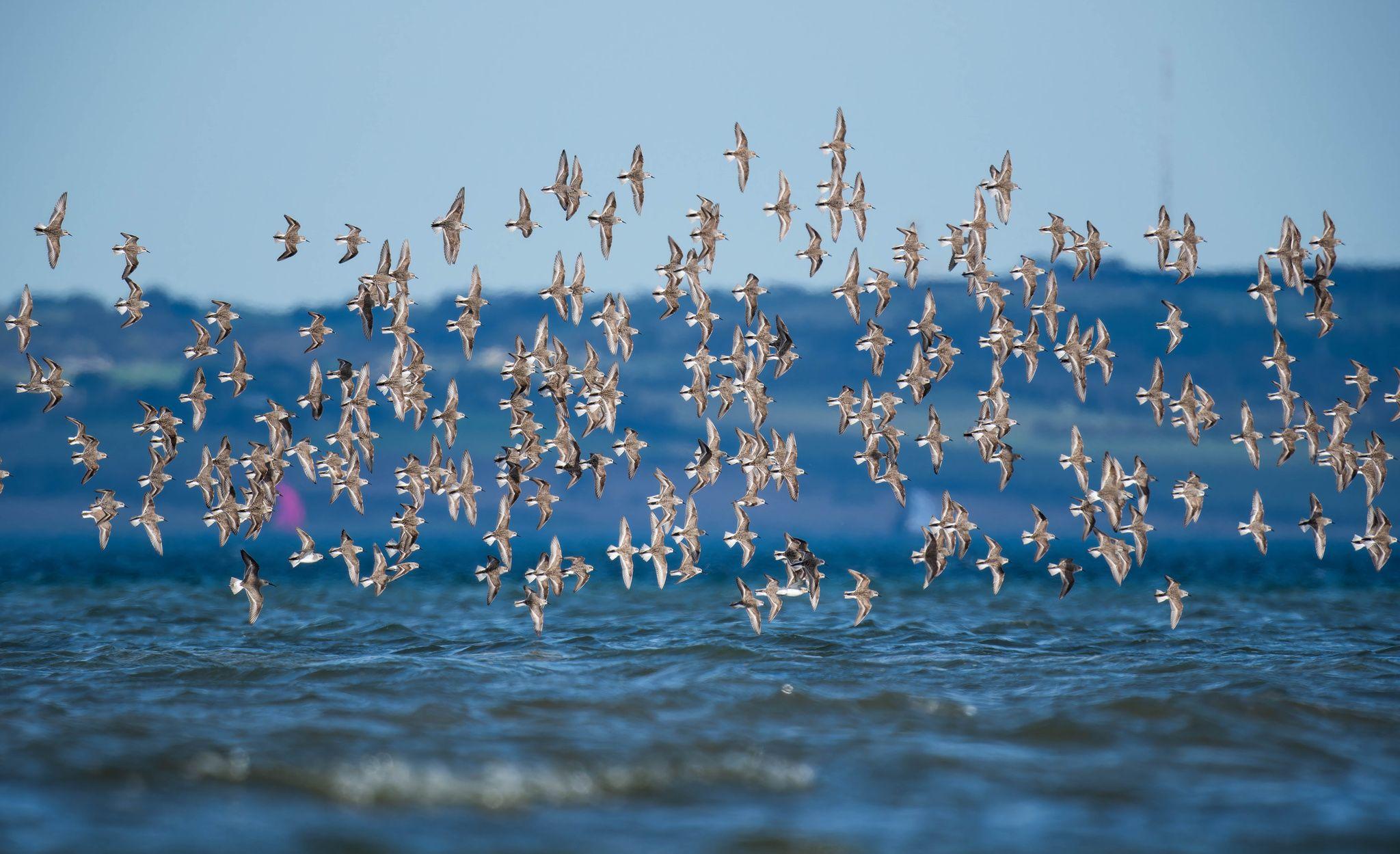
Red-necked stints fly 12,000km from Siberia and Alaska to reach the Western Treatment Plant at Werribee and depend on abundant food in the mudflats when they arrive. Image: Ben Ackerley (CC-BY-NC) iNaturalist
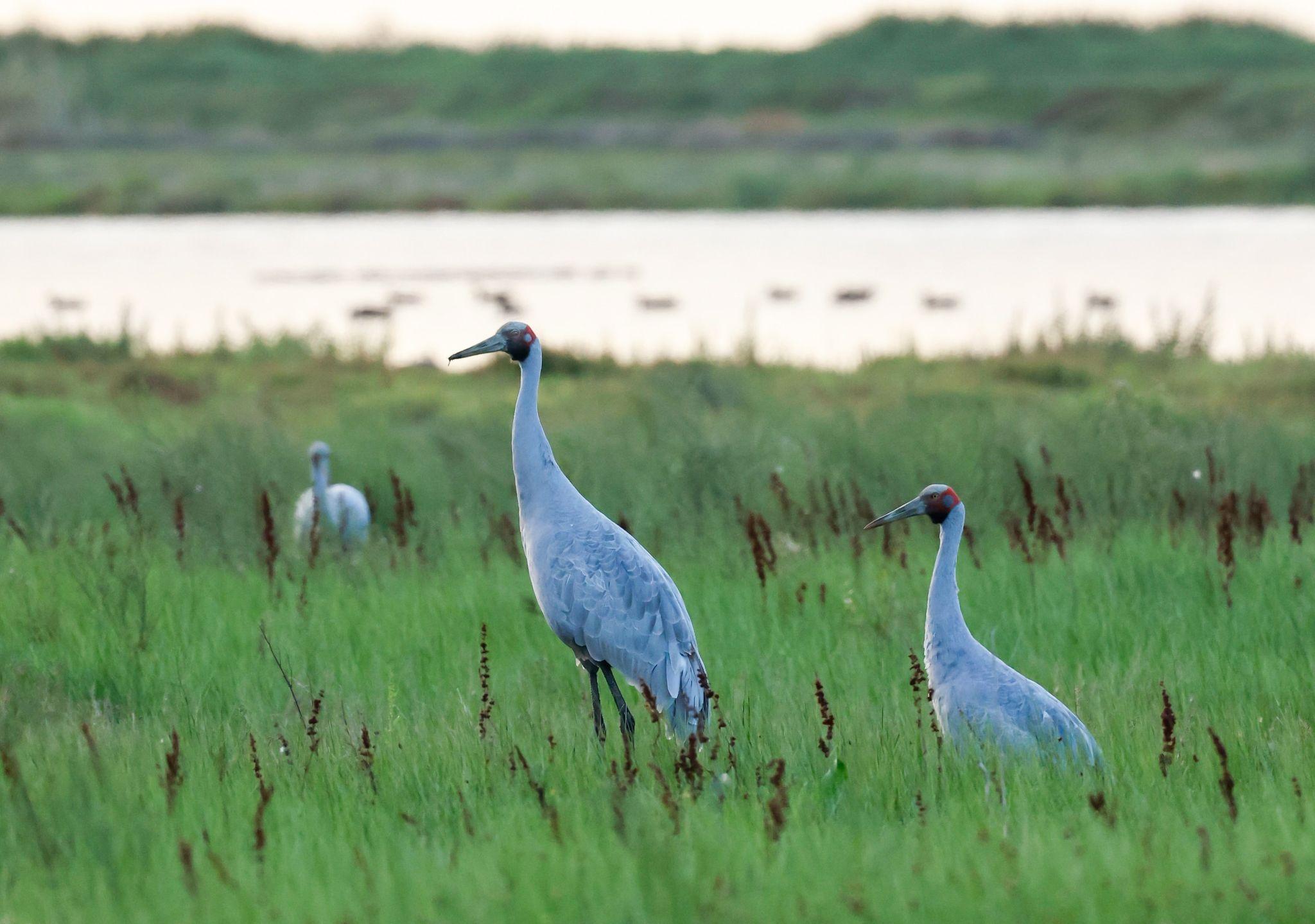
Endangered brolgas at the Western Treatment Plant. Image: Pitta Fisher (CC BY) iNaturalist.
Biodiversity Council member and waterbird and wetland expert Professor Richard Kingsford AO from the University of New South Wales said the Western Treatment Plant was one of Australia’s most important sites for waterbirds.
“The Western Treatment Plant is an extraordinary example of how essential public infrastructure can also deliver internationally significant conservation outcomes, with tens of thousands of waterbirds, particularly important as a drought refuge," Prof Kingsford AO said.
“Its wetlands and mudflats provide vital feeding habitat for migratory shorebirds that travel from as far away as Siberia and Alaska, including the critically endangered far eastern curlew.
“Melbourne Water carefully manages nutrient levels in treated sewage to protect the health of Port Phillip Bay while supporting the abundance of small invertebrates that these birds depend on for food.
“Maintaining these internationally important wetlands requires considerable ecological expertise, ongoing investment and careful management, which is hard to reconcile with companies whose objective is profit.
“Australia has international obligations to protect these Ramsar-listed wetlands and the migratory birds they support. Privatising the Western Treatment Plant is akin to privatising the care of a World Heritage Area.”
“Many of our bird populations are in trouble. Population sizes of Victoria’s threatened migratory birds have fallen by more than a third since 2000. We need more government investment and management, not for them to hand it off.
"We are also worried about the impact of bird flu on waterbirds in the future.” Professor Kingsford AO said.
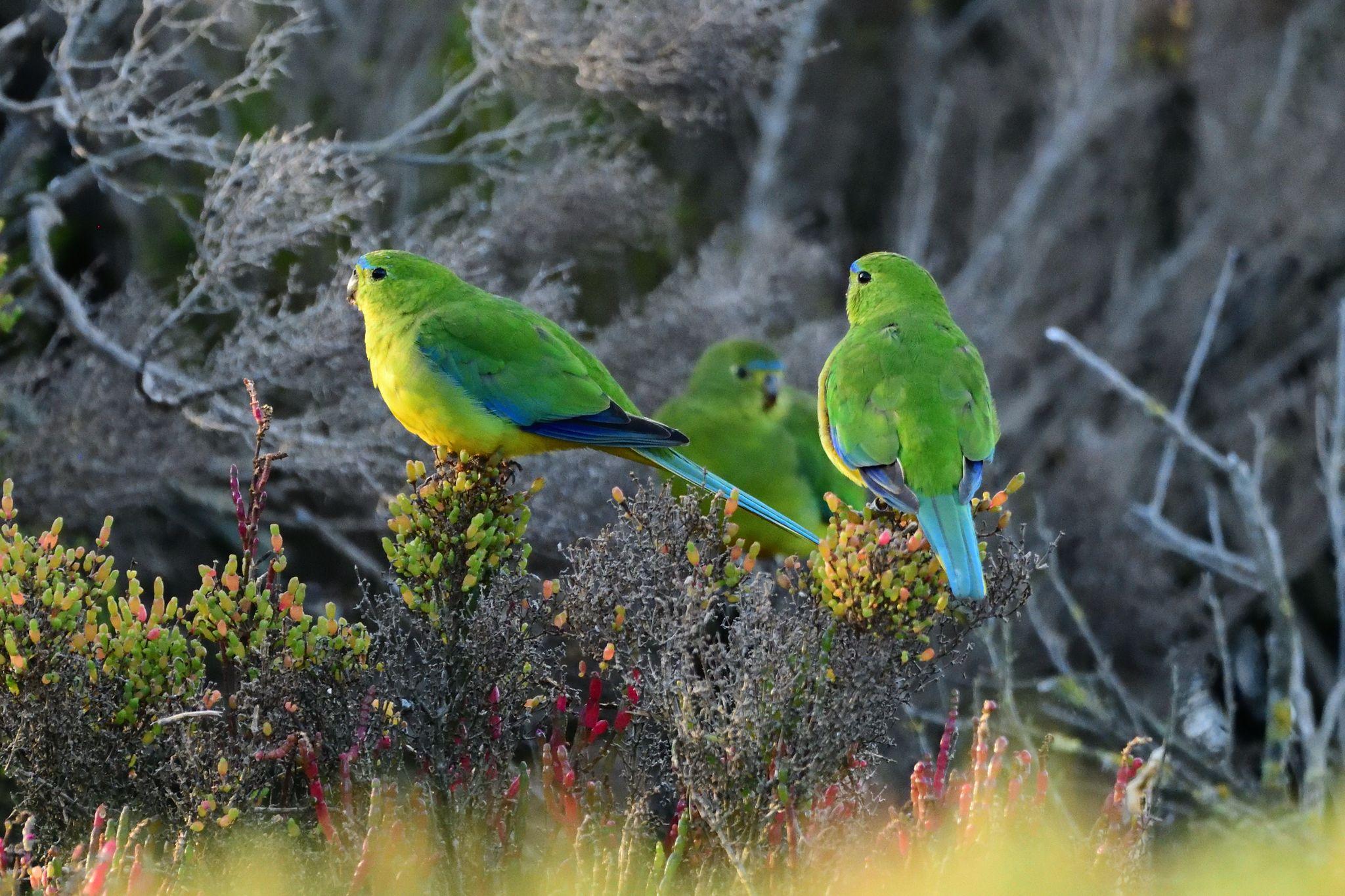
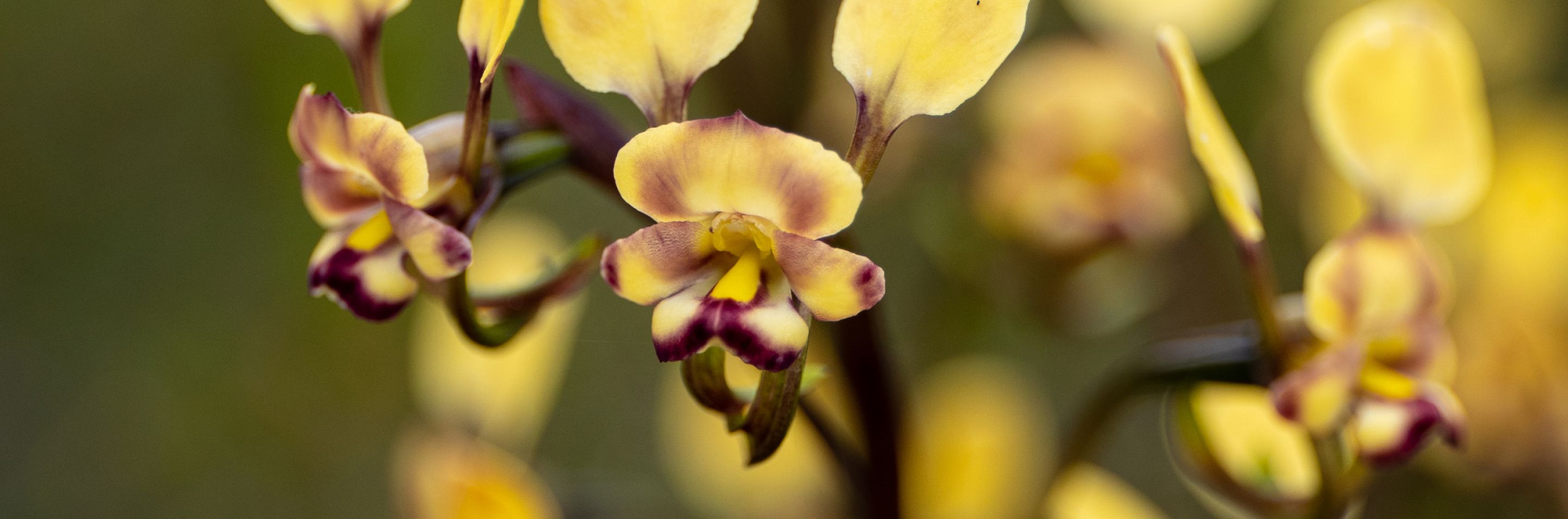
Critically Endangered orange-bellied parrots at Melbourne Water's Western Treatment Plant in Werribee. Image: Ian Melbourne (CC BY NC) iNaturalist
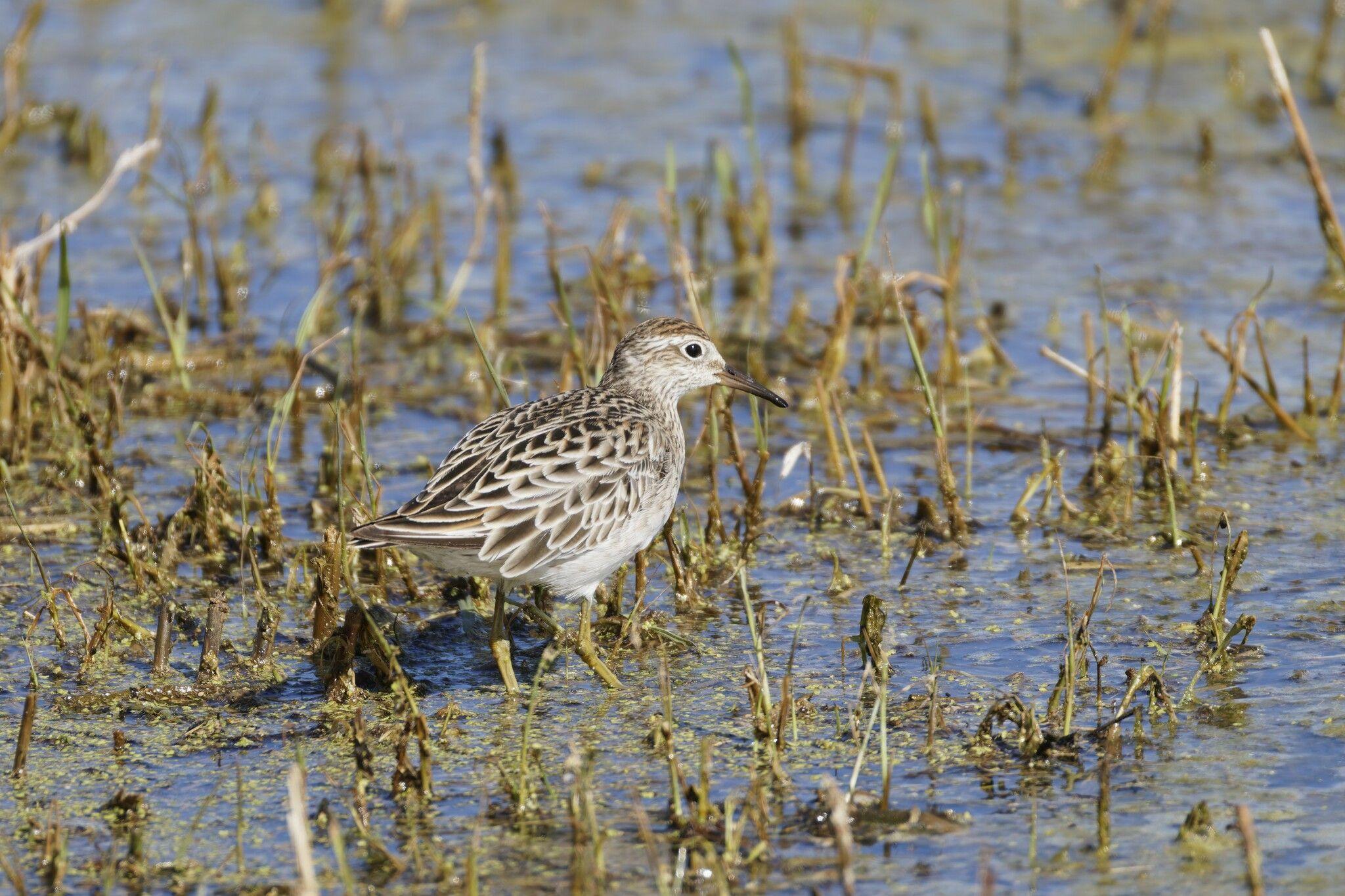
Sharp-tailed sandpiper at Melbourne Water's Western Treatment Plant in Werribee. The species breeds in Siberia, then 90% of the global population travels to Australia for our summer. Image: Phillip Goodman (CC-BY-NC) iNaturalist
University of Melbourne Honorary Fellow and aquatic ecologist Dr Edward Tsyrlin, who previously worked at Melbourne Water for 11 years, said international experience with water utility privatisation serves as a warning.
“Overseas, water utility privatisation has generally led to higher prices, deteriorating infrastructure, increased pollution, environmental damage and widespread public outrage, as we have seen with Thames Water in the UK," Dr Tsyrlin said.
“Cities including Paris, Berlin and Atlanta have reversed privatisation and returned water services to public management. Why would Victoria want to repeat these mistakes?”
Dr Tsyrlin said it would also set an alarming precedent; if Melbourne Water’s water supply and sewerage systems were privatised, it would be catastrophic for Melbourne’s environment and community.
“Melbourne Water manages extensive forested drinking water catchments that provide habitat for threatened wildlife and around 8,000 kilometres of waterways, including much-loved natural places where Melburnians make around 100 million visits annually.
“From restoring degraded creeks and controlling invasive species to protecting threatened wildlife and reducing flood risks, Melbourne Water delivers enormous public benefits that are difficult to reconcile with a profit-driven business model.
“Victorians should be extremely concerned about handing control of these assets to private operators for generations.
“We should be learning from international failures, not repeating them at the expense of our environment, wildlife and community.” Dr Tsyrlin said.
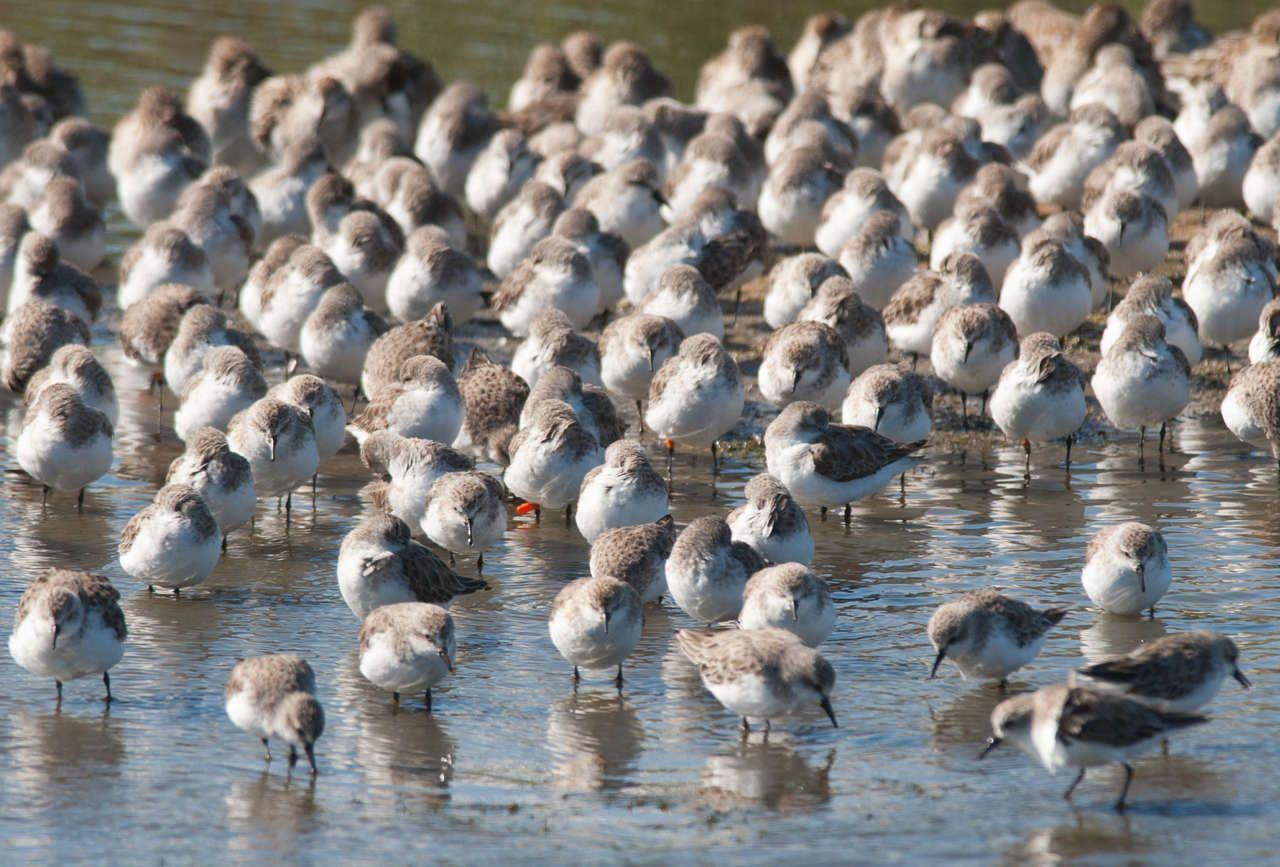
Red-necked stints fly 12,000km from Siberia and Alaska to reach the Western Treatment Plant at Werribee. Image: Chris Clarke (CC-BY) iNaturalist
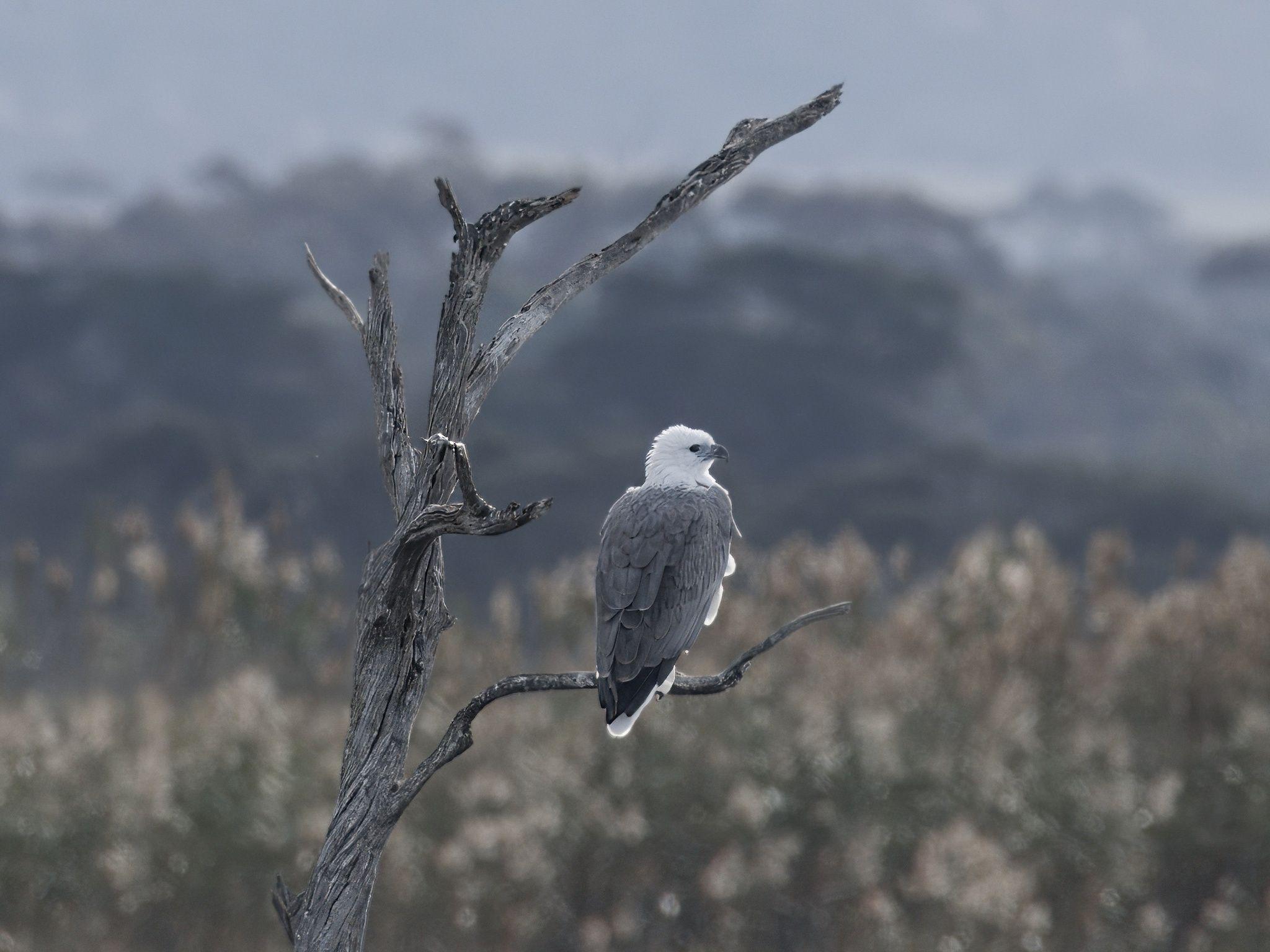
A white-bellied sea-eagle at Melbourne Water's Western Treatment Plant in Werribee. Image: biospectroscopy22 (CC-BY-NC) iNaturalist