The alarming United States actions at the United Nations Desertification COP and implications for upcoming biodiversity and climate conferences
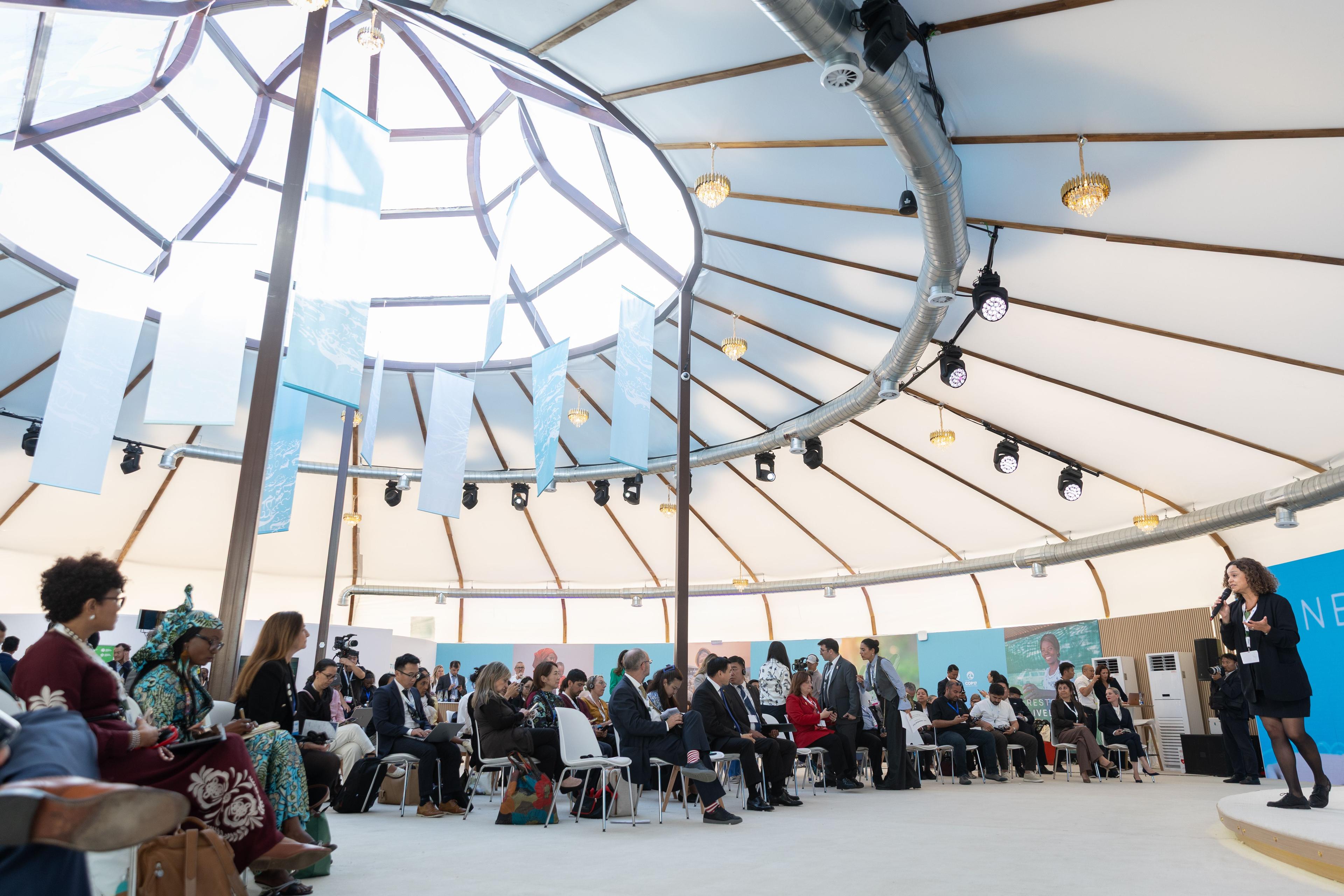
This August, the United States objected to three agenda items at the United Nations
Desertification conference – COP17 – in Mongolia. The objections disrupted negotiations on gender, cooperation between the Rio Conventions and civil society participation.
Blocking international discussion on these topics sets a dangerous precedent for other major multilateral environmental summits later this year, including Biodiversity COP17 and Climate COP31.
What are the COPs?
Many Australians have heard of the Climate COP, the international climate summit held under a United Nations convention every year. COP stands for ‘Conference of the Parties’.
These conferences bring together countries to progress multilateral agreements and action on global issues. The number that follows a COP refers to how many conferences have occurred.
There is strong alignment between the Climate, Biodiversity and Desertification COPs. Their conventions emerged from the 1992 Rio Earth Summit and its outcomes. While the Climate COP is annual, the other two are biennial. The three conventions are:
- UNFCCC – UN Framework Convention on Climate Change. In 2015, at COP21, countries adopted the legally binding Paris Agreement. The next Climate COP – COP31 – will be held from 9–20 November 2026 in Türkiye, with Australia’s Climate Change Minister Chris Bowen leading negotiations under the hosting partnership.
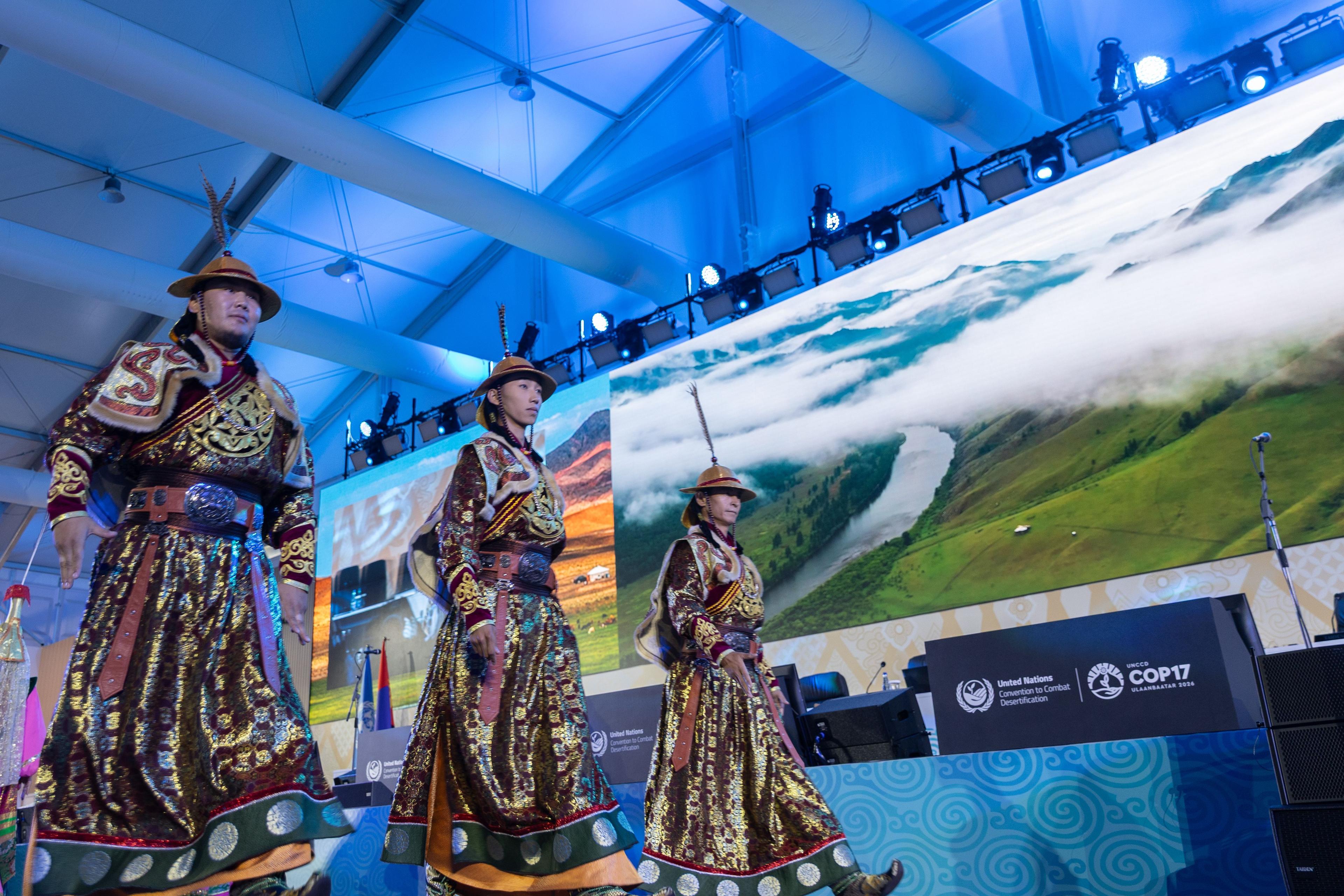
- UNCCD – UN Convention to Combat Desertification. The Desertification COP tackles land degradation and restoration, drought resilience and sustainable land management. The most recent conference – COP17 – was held from 17–28 August 2026 in Mongolia.
- CBD – Convention on Biological Diversity. The Biodiversity COP deals with biodiversity conservation, sustainable use, and the fair and equitable sharing of benefits from the use of genetic resources. In 2022, countries agreed to the Kunming-Montreal Global Biodiversity Framework. The next Biodiversity COP – COP17 – will take place from 19–30 October 2026 in Armenia.
2026 is a ‘triple-COP’ year, with all three conferences occurring. This makes it a crucial time for negotiators to strengthen collaboration across their interconnected environmental agendas.
What occurred at the UNCCD COP?
During the opening plenary, Parties – member countries – adopt the provisional agenda prepared by the COP Secretariat and agree on what to discuss during the summit. The agenda is prepared months beforehand, but the Conference can collectively decide to add, delete, defer or amend items when adopting it.
The United States objected to three items. The Presidency proposed deferring them pending consultations, and the Conference accepted that approach. The objections were described during proceedings as a ‘procedural attack’.
The three items were:
- Agenda item 4 – Rio Synergies. This aims to improve coordination between the climate, biodiversity and desertification conventions, recognising that these interconnected crises require more integrated policies, action and funding.
- Agenda item 5 – Gender. This includes progressing the Gender Action Plan to strengthen women’s participation and address the disproportionate impacts of desertification, land degradation and drought on women.
- Agenda item 8(a) – Civil society participation. This addresses the participation and involvement of civil society organisations in UNCCD meetings and processes, including work to establish and formalise an Indigenous Peoples’ Caucus and its Terms of Reference.
Russia separately objected to the Future Strategic Framework because of concerns about Central Asian expert representation. That item was also deferred pending consultations.
In addition, the US delegation stated that it would not accept language referring to “gender”, “gender equality”, “gender-responsive”, the Gender Action Plan, “Indigenous Peoples and Local Communities” and “Indigenous Knowledge”, citing consistency with President Trump’s Executive Orders.
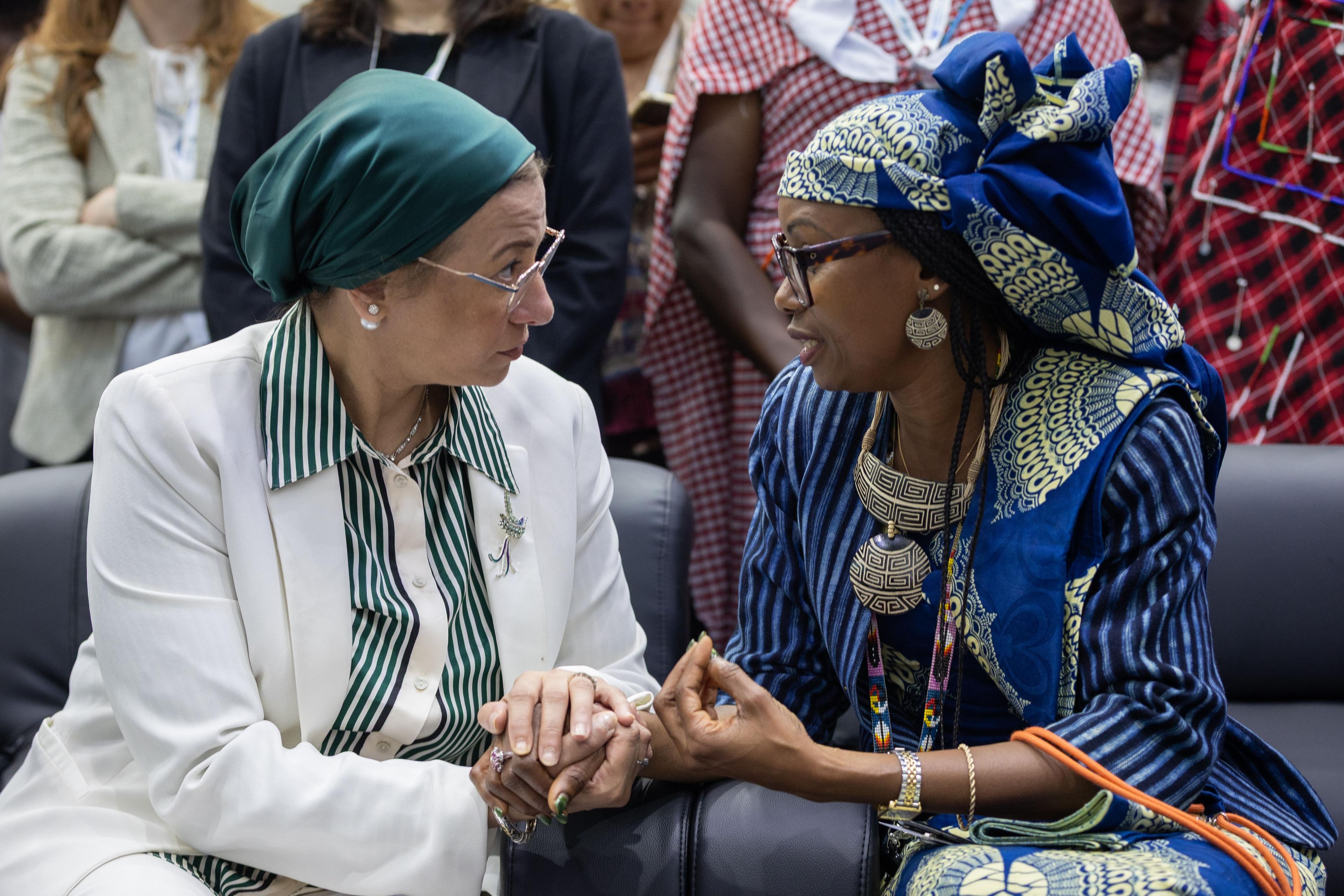
Reporting from the conference described delegates using linguistic workarounds, replacing references to Indigenous Peoples with ‘all people’ and gender with ‘women and girls’ to keep negotiations moving.
Across negotiations on plastics, biodiversity and climate, Indigenous Peoples have consistently called for recognition of their rights, respect for Indigenous Knowledge and meaningful participation in decisions affecting their lands and waters. Weakening that recognition undermines both meaningful participation and the environmental outcomes these agreements seek to achieve.
The implications
These events show how objections from individual countries can constrain multilateral negotiations and weaken recognition of Indigenous Peoples, women and civil society. The consequences extend beyond a single conference.
The upcoming Biodiversity COP17 will provide an important test of whether countries defend established recognition and participation. The United States is not a Party to the CBD, so its formal role differs from that at UNCCD. Nevertheless, similar objections could be raised by other Parties.
Indigenous Peoples’ participation is more firmly established in biodiversity negotiations through the International Indigenous Forum on Biodiversity (IIFB). The International Indigenous Peoples Forum on Climate Change (IIPFCC) serves as the Indigenous Peoples’ caucus in climate negotiations. These established structures provide a foundation for participation, but continued attempts to weaken agreed language could undermine their influence.
The wording of COP decisions can have real-world consequences. It can shape how countries implement commitments through laws, policies, government programs and international cooperation. It can also influence funding priorities and the recognition and participation of Indigenous Peoples and local communities.
Excluding Indigenous Peoples, women and civil society weakens these negotiations.
Australia should work with other countries that support Indigenous Peoples’ rights to defend those rights, respect for Indigenous Knowledge and meaningful participation, while resisting efforts to restrict women’s and civil society participation.