Why biodiversity education matters for the next generation
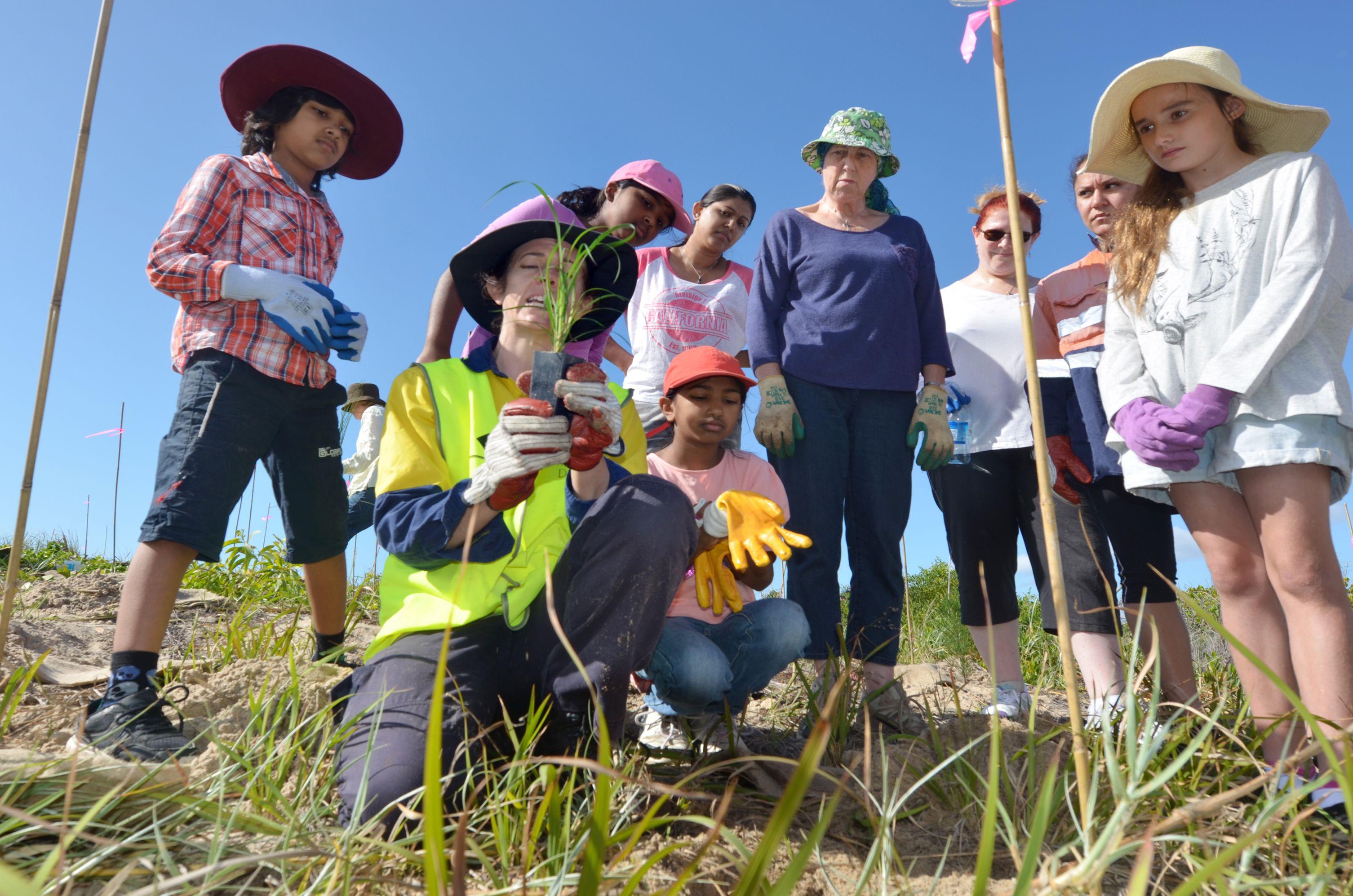
Image: Chameleonseye / iStock
Children and young people are becoming increasingly disconnected from nature in a rapidly urbanised and digitised world. At the same time, they are inheriting a future marred by the intertwined environmental crises of biodiversity loss and climate change - leading to feelings of anxiety and helplessness.
Research shows that reconnecting young people with nature through knowledge and hands-on action is a powerful way to address both this disconnection and the anxiety it fuels, and encourages pro-environmental behaviour into adulthood.
To equip students with the knowledge and motivation to care for nature, the Biodiversity Council partnered with Cool.org to bring practical, action-focused biodiversity knowledge into classrooms across Australia.
Cool.org provides real-world, curriculum-aligned teaching resources to a network of 220,000 educators across the country. Together, with our evidence-based knowledge and expert guidance, we created Biodiversity in Action education resources, designed for low-prep, high-impact teaching.
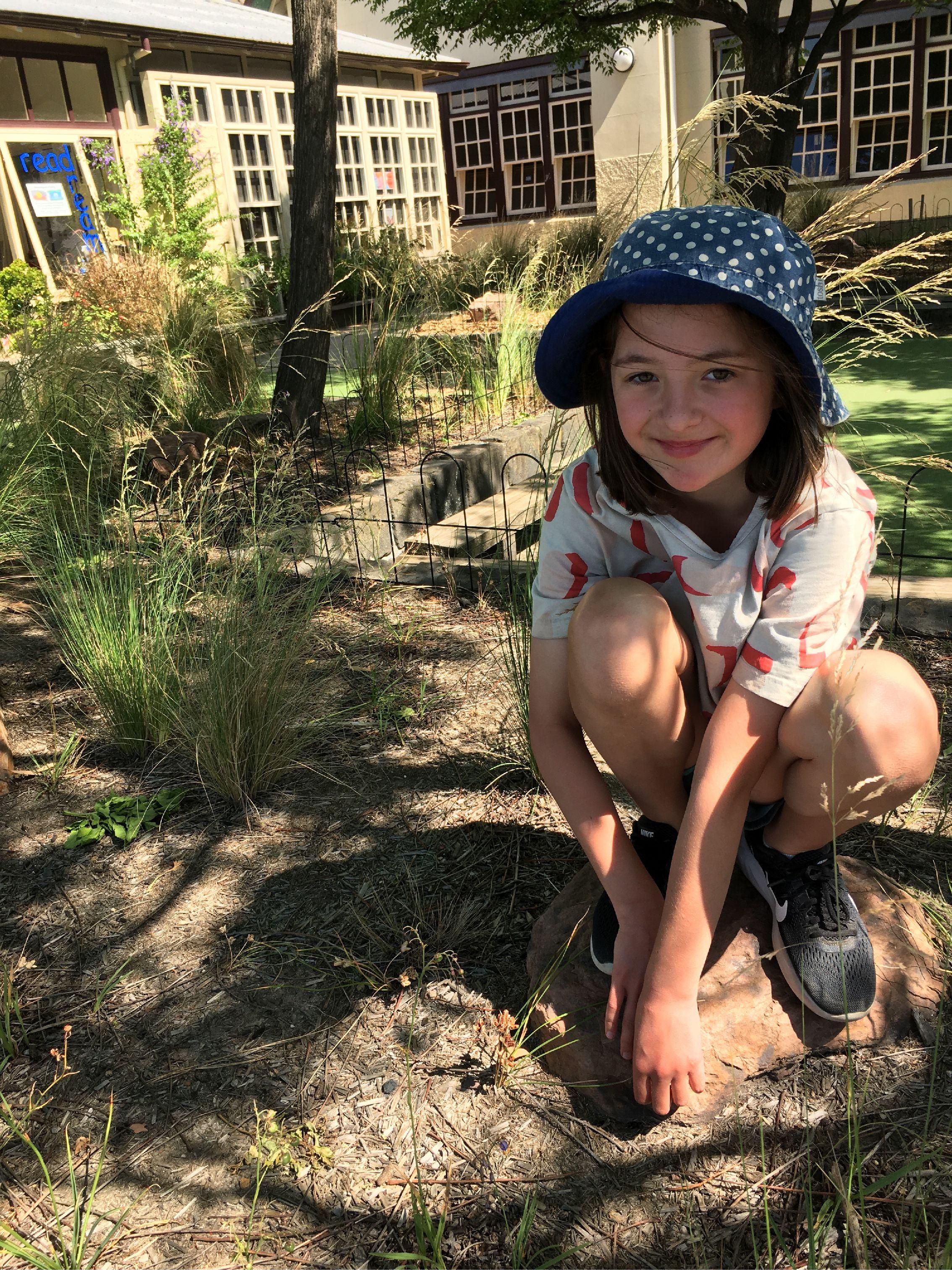
Student Zadie with flax-lilies, a culturally significant species to the Wurundjeri people, planted by students. Image: Sarah Bekessy
The resources, for Foundation to Year 10, explore why biodiversity matters for healthy ecosystems, how human actions help or harm it, and practical ways to help local species and habitats thrive. Through practical, evidence-based, Country-centred learning, students are able to turn knowledge into action and see how even small steps can add up to meaningful change for their environment.
Lessons cover a range of impactful topics, from designing school yards to support local wildlife and reduce heat, to exploring the intersection of First Nations knowledge and scientific practices in protecting culturally significant species and local biodiversity.
Other topics include responsible pet ownership, light pollution, nature and wellbeing, biodiversity in media, and more.
Learning about and connecting with nature has been shown to benefit behaviours for learning, such as self-regulation, attention and creativity. Being in nature also benefits mental and physical health, including reduced stress and anxiety.
The lessons also equip students with the skills and confidence to start speaking and acting for nature.
Access the Biodiversity in Action education resources for free to help students move from understanding biodiversity to protecting it.
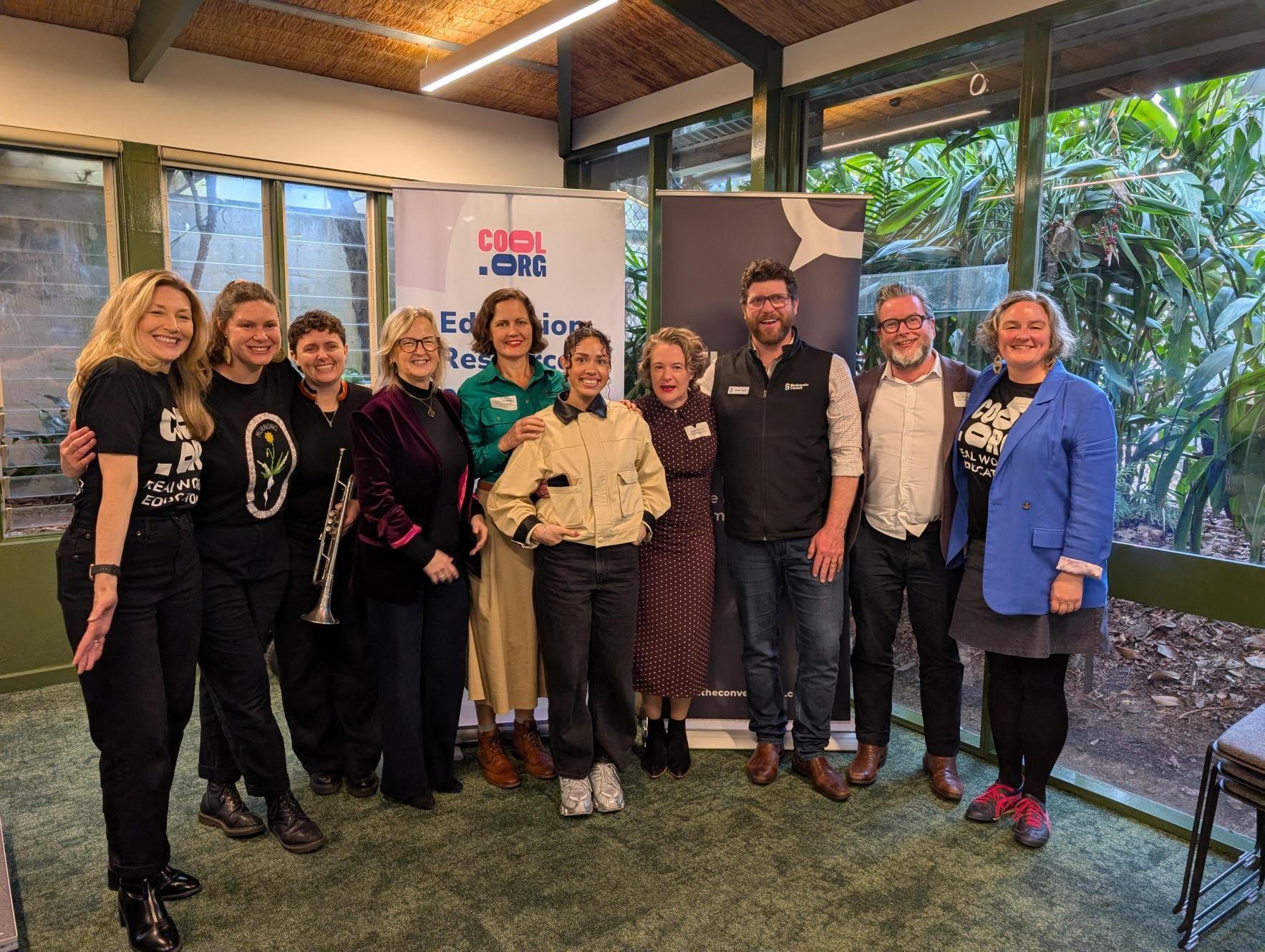
The team from Cool.org, the Biodiversity Council and The Conversation at the launch of the collaboration at Melbourne Zoo.