Australia needs a green-city revolution: how it would benefit biodiversity and people
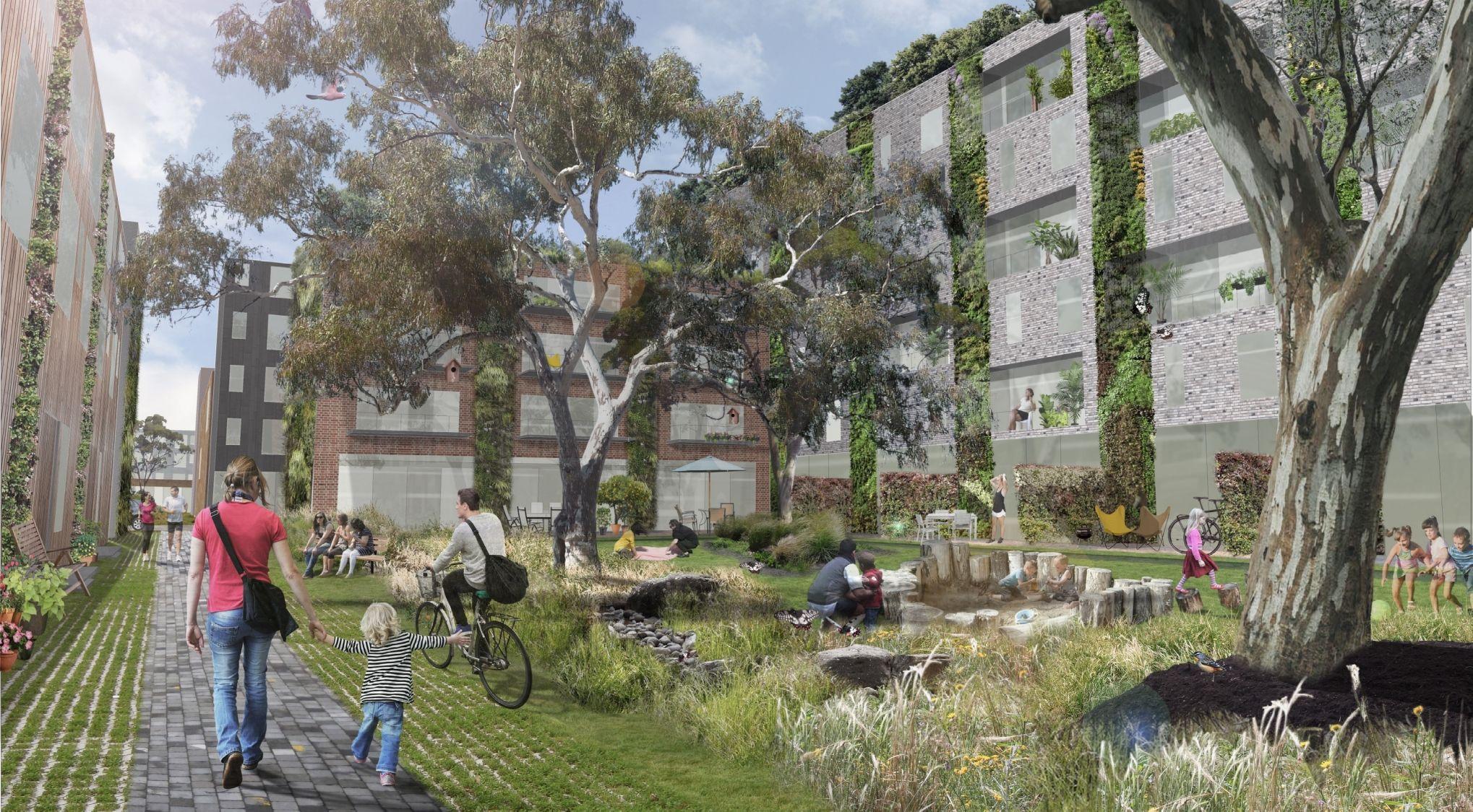
What biodiversity sensitive urban design could look like in our cities. Image: Rendering by S Bekessy in collaboration with C Horwill, J Ware & M Baracco, RMIT’s School of Architecture and Design CC BY 4.0
News story
3 June 2026
When it comes to biodiversity conservation, cities are often overlooked as important refuges for native plants and animals.
Yet almost a third of Australia’s nationally listed threatened species occur in cities, and there are substantially more threatened species per unit area in urban areas than rural.
Australia is one of only a few megadiverse nations that also has the wealth to protect and conserve its unique species, most of which are found nowhere else on earth. And yet we are world leaders in biodiversity decline.
With better management and planning, new and existing urban areas could play an important role in helping to save threatened species - and would have positive flow on effects for human health and wellbeing, and local economies.
Prof Sarah Bekessy, Lead Councillor at the Biodiversity Council and leader of the ICON Science research group at the University of Melbourne, spoke at Parliament House Victoria about the benefits of regenerating nature in cities.
Biodiversity Council member Prof Sarah Bekessy presenting at a seminar held at Parliament House Victoria on 19 March 2026, exploring regenerative approaches for Victoria’s nature: from the bush to the city.
Biodiversity in cities benefits people
Welcoming biodiversity into our cities through the design and implementation of urban nature has many benefits beyond helping native species, including for human health and wellbeing, the economy and, according to Prof Sarah Bekessy, for creating an opportunity to celebrate Indigenous culture.
“We can do this through the choice of plants that we have in our gardens, in our streetscapes, and in our parks. There are over 700 locally native plant species in Melbourne, many of which are deeply important culturally," said Prof Bekessy.
“We can do it through the choice of animals that we seek to bring back into our city. There’s a fabulous butterfly called the common brown butterfly. It once used to emerge in huge numbers at the start of one of the seven Wurundjeri seasons. I personally think it'd be a wonderful story to bring back to Melbourne.
“We can also do it through building opportunities for First Nations people in the implementation, design and governance of urban nature.”
Bringing nature back into our urban areas can also help us tackle some of the unprecedented challenges we are facing in cities - whether reducing the effects of extreme weather caused by climate change or improving human mental and physical health.
“If you're lucky enough to live in a street with more biodiversity, you'll sleep better at night. You’ll have a lower probability of suffering from mental wellbeing issues. You'll actually have less likelihood of developing diabetes, cancer and heart disease. These are well evidenced benefits of urban nature,” said Prof Bekessy.
“If your child is lucky enough to play in a schoolyard with more biodiversity, they'll have improved cognitive development and lower rates of behavioral issues.”
Cities with more tree canopy cover are also much cooler, providing vital protection from extreme heat. As the number of hot days increases under climate change, this cooling effect is becoming increasingly important. Without it, there are serious health risks, especially for vulnerable groups, including older people and those with existing health conditions.
There are also economic benefits to urban nature - not just from reducing the burden on the healthcare system by improving the health of residents, but by increasing foot traffic and encouraging spending in local businesses. Incorporating nature into retail strips, along with good urban design, encourages people to walk along a street and spend more time in an area - perhaps stopping for an extra coffee or making an impulse visit to a new shop.
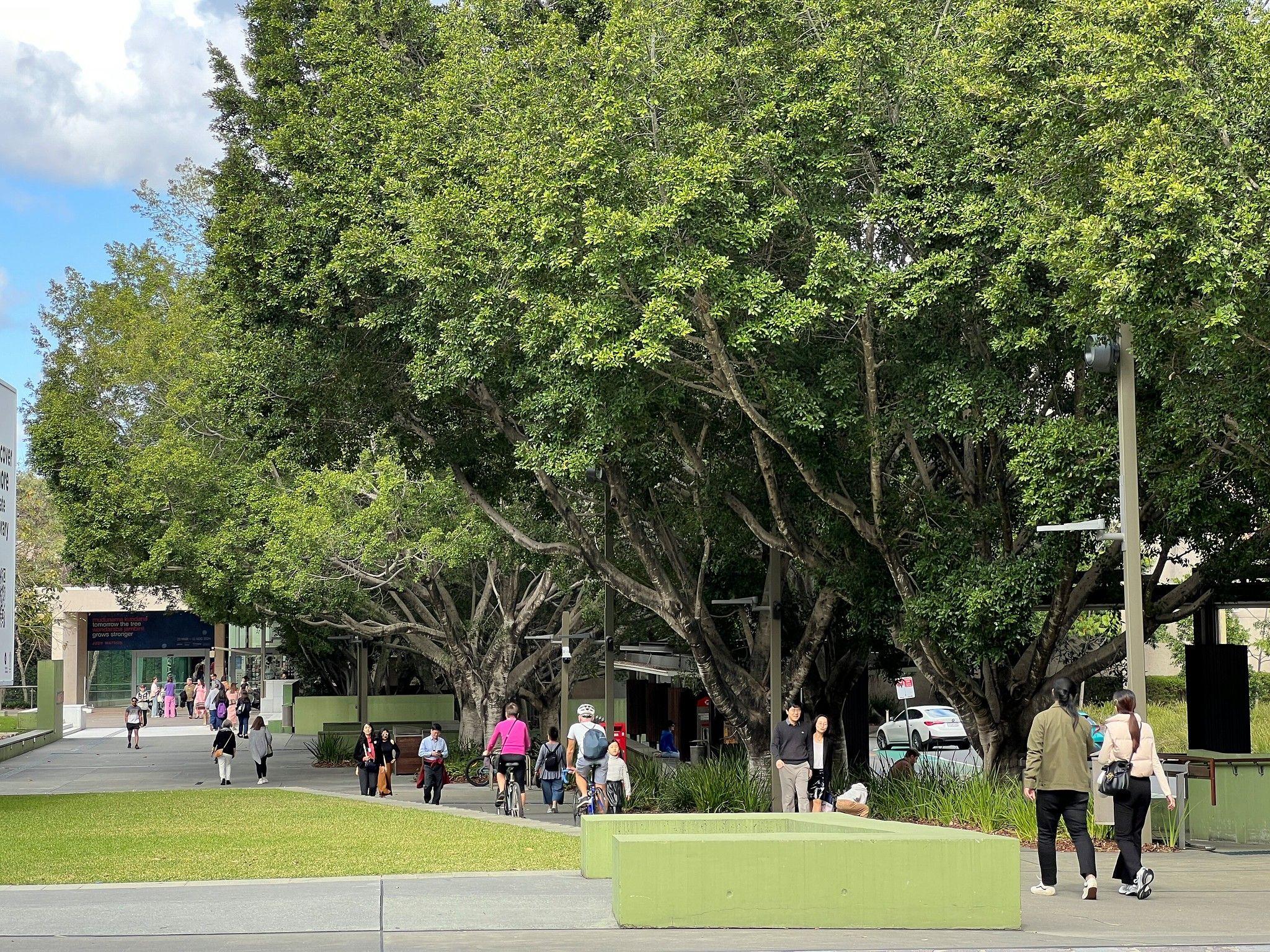
Tree canopy cover helps to cool cities and increase foot traffic, but diverse species of plants and animals is what brings most of the benefits of urban nature. Source: Jaana Dielenberg
It’s not just about greenery, biodiversity matters
A boulevard of plane trees is an all-too familiar sight in many cities. While this may provide shade and greenery, it is essentially a biological desert, according to Professor Bekessy, because it’s not designed with biodiversity in mind. And it’s biodiversity, not just greenery, that provides many of the benefits to people.
“That's why we designed this idea called biodiversity sensitive urban design,” said Prof Bekessy.
“It's a scientifically driven process for thinking really carefully about how you allow plants and animals to thrive in the places where we all live, work and play.”
This involves thinking about the types of animals you want to attract to an area and providing the right habitat and resources for them to thrive.
For example, if you want to see fairy wrens and other small birds, you’ll need to provide a shrub layer, not just tall trees, and water sources. You’ll need to think about habitat connectivity and the movement of the animals around the urban area. You’ll need to think about threats, like traffic and roaming cats.
There are good design solutions for all of these points, it just takes careful planning and engagement from governments, developers and the community.
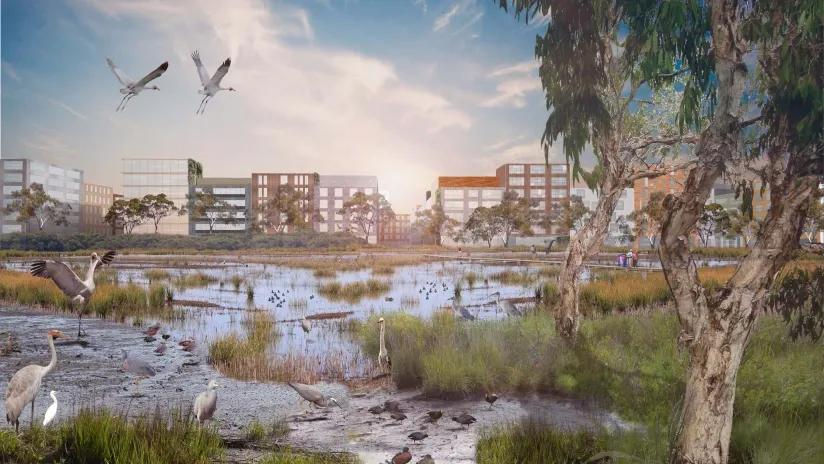
A rendered image of Fishermans Bend, Australia’s largest urban renewal project. Image: ICON Science
But it’s not just about bringing nature back into our urban areas; we need to think carefully about where we build new developments and protect existing habitat.
There are over 2,200 nationally listed threatened species in Australia. Unfortunately, a lot of cities are growing into areas that have some of the most critically endangered ecosystems, like the basalt plains grassland west of Melbourne, which has been reduced to just 1% of its original range and contains many threatened species like the Victorian grassland earless dragon.
People need homes, that’s a given. But building new homes doesn’t have to come at the expense of threatened species and ecosystems, says Professor Bekessy.
“That's why we've established a Nature Pledge for developers and investors to grow homes and also grow nature at the same time, rather than actually destroying threatened species habitat when we're developing homes.”
“We're working with some innovative developers and government agencies and green building certifiers in Australia and globally to try and demonstrate that this is not only possible and feasible, but it's also completely desirable and healthy for biodiversity and for people.”