Join Kaori: support your local microbats. These flying superheroes will help you with insect control.
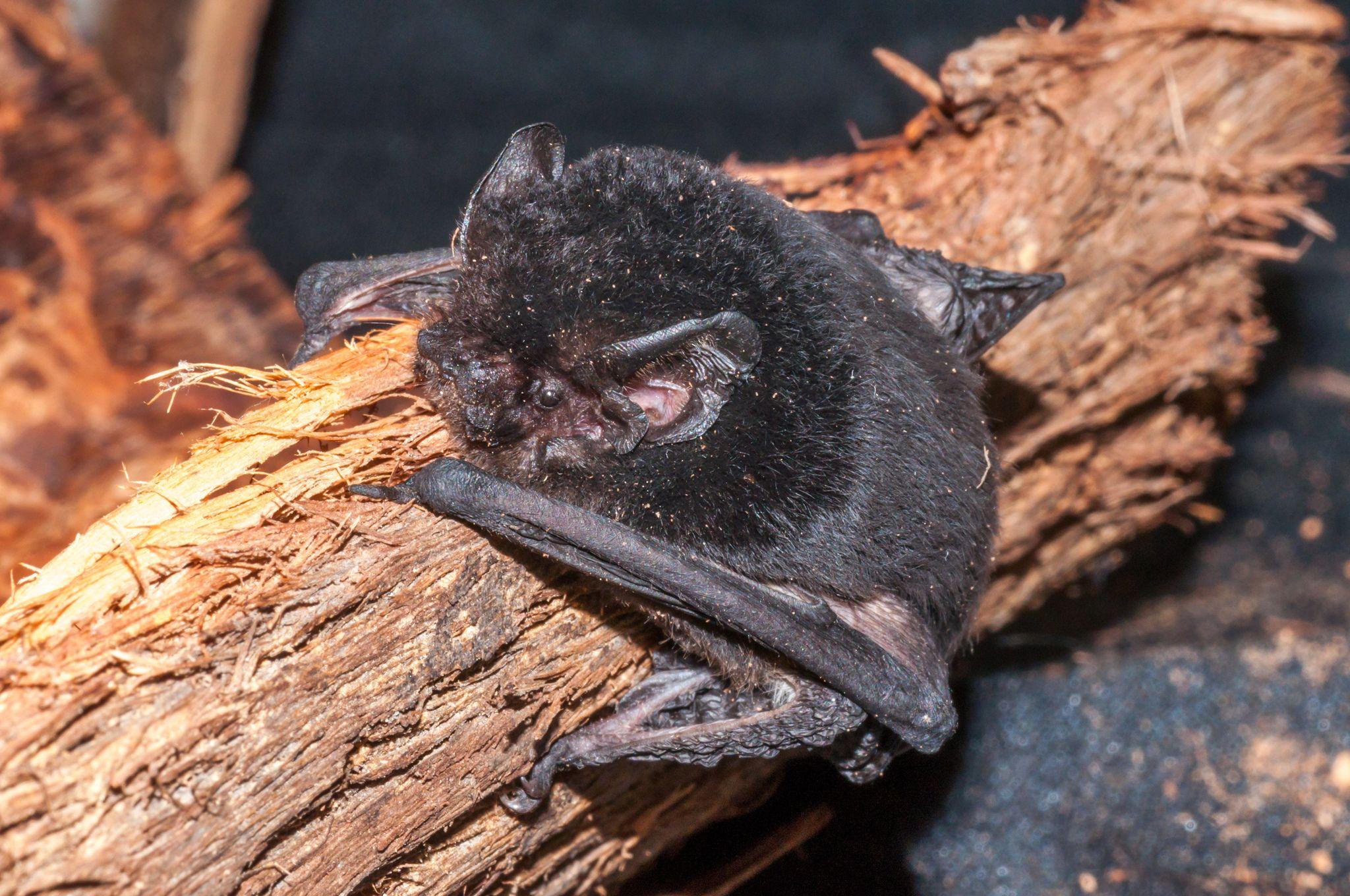
Source: Steve Amesbury / iNaturalist CC BY-NC
News story
14 April 2026
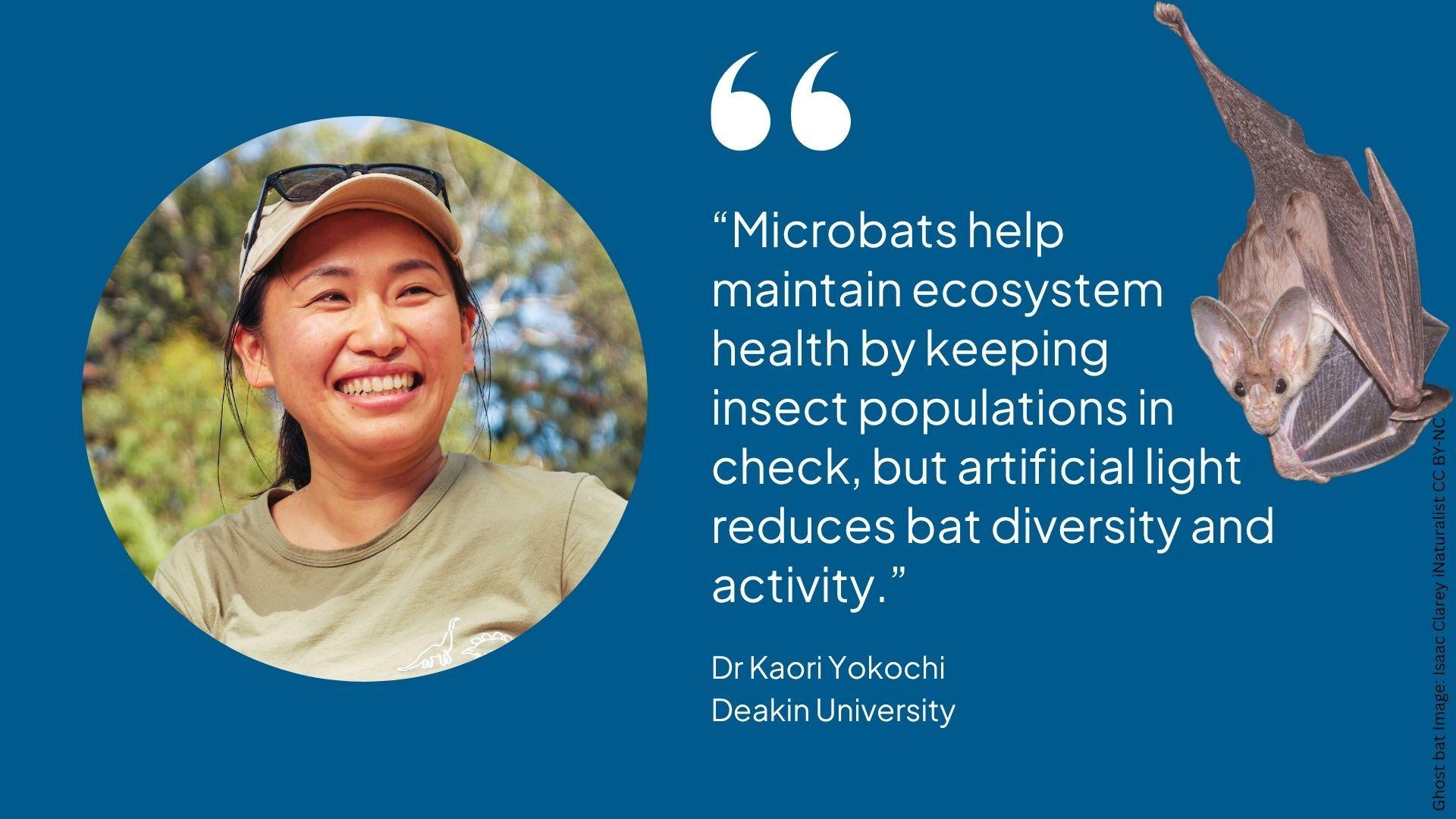
Reducing urban light pollution helps many native animals, including microbats that provide benefits to humans and whole ecosystems, Dr Kaori Yokochi, a lecturer and wildlife ecologist at Deakin University, explains.
Microbats are the most diverse group of mammals that we share our cities with. Up to 17 species have been recorded in the greater Melbourne region alone.
Many people don’t even realise they live with these small, quiet but mighty neighbours in their urban backyards and streets, or realise that simple garden lighting choices can have a big impact on them.
As hungry insectivores, microbats play critical roles in ecosystems by keeping flying insect populations at bay, including those that are harmful to agriculture and human health. However, living in cities comes at a cost for these incredible aerial acrobats, especially due to ever-increasing light pollution.
As nocturnal predators equipped with echolocation, they specialise in hunting in darkness. Staying in dark areas helps protect them from predators like cats and owls, for whom sight is an important cue.
For this reason, many species of microbats, like chocolate wattled bats, will avoid areas that are lit up, even if they are otherwise suitable habitats. This means that simply turning on a light can reduce the amount of available habitat for microbats and create barriers to their movement between dark habitats.

Many people don't notice the diverse species of microbats hunting above them at night, like Gould's wattled bat. Source: Sam Gordon / iNaturalist CC BY-NC-SA
Artificial lights also have another big impact - by reducing the amount and distribution of their food. Artificial lights lure many flying insects towards them, like a vacuum cleaner sucking the insects out of the dark habitat areas.
This creates a dangerous trade-off: bats must choose between accessing food in brightly lit areas, where they are more exposed to predators, or staying in darker habitat with less prey.
Despite their mesmerised move to the light, the light is not good for the insects either, as many get ‘trapped’, unable to leave and die of starvation and exhaustion. Over time, their populations suffer too, which compounds problems for the microbats.
We need diverse communities of microbats for healthy ecosystems. Artificial light reduces this diversity and, in bright light, even species that are considered adapted to open habitat and less sensitive to light - like Gould’s wattled bat - become less active.
In addition, just like humans and other living things, artificial light disrupts their circadian rhythms, which can reduce immune function and other biological processes. When nights stay naturally dark, it benefits us all.

Lights attract insects that get 'trapped', reducing the abundance of this important food-source in dark areas; the preferred hunting ground for bats. Source: dbgg1979 / Flickr CC BY 2.0
The consequences of light pollution in cities may be bleak for microbats, but taking action to help them by cutting light pollution is really simple.
There is something each of us can do to reduce light pollution. Turn off the light, close curtains, and use the dullest and warmest outdoor light possible, only where and when the light is needed.
Avoid uplighting and fairy lights in your trees and gardens or only turn them on briefly for very special occasions. Leave your garden dark to help your local wildlife at night.
Microbats are not the only ones that will benefit - you could also be helping gliders, possums, owls, bandicoots, day-active birds and many types of insects.
You can also scale up your impact by advocating for ecologically responsible use of light in your city. Let your friends and neighbours know how they can help. Ask your local council and businesses to reduce unnecessary public lighting.
Like other types of pollution, light pollution is cumulative; every light that gets switched off helps.
If you enjoyed this article, here is your next read.
A great yarn with young Indigenous astronomer Kai Lane, a proud Yorta Yorta and Barapa Barapa man and Trainee Ecologist at Ecology Restoration Australia, on how light pollution is impacting not just wildlife but also Indigenous cultural knowledge and practices.