The Biodiversity Council is a registered Australian not-for-profit charity, recognised by the Australian Charities and Not-for-profits Commission (ACNC), meeting national standards for integrity, transparency and accountability.
Acknowledgements
The Biodiversity Council acknowledges the First Peoples of the lands and waters of Australia, and pays respect to their Elders, past, present and future and expresses gratitude for long and ongoing custodianship of Country.
The Biodiversity Council is an independent expert group founded by 11 Australian universities to promote evidence-based solutions to Australia’s biodiversity crisis. It receives funding from 11 university partners and The Ian Potter Foundation, The Ross Trust, Trawalla Foundation, The Rendere Trust, Isaacson Davis Foundation, Coniston Charitable Trust, Angela Whitbread and the Nature Impact Collective.
Newsletter subscriptions
*You can read ourprivacy notice to learn how we handle the personal information of people who subscribe to our newsletter.
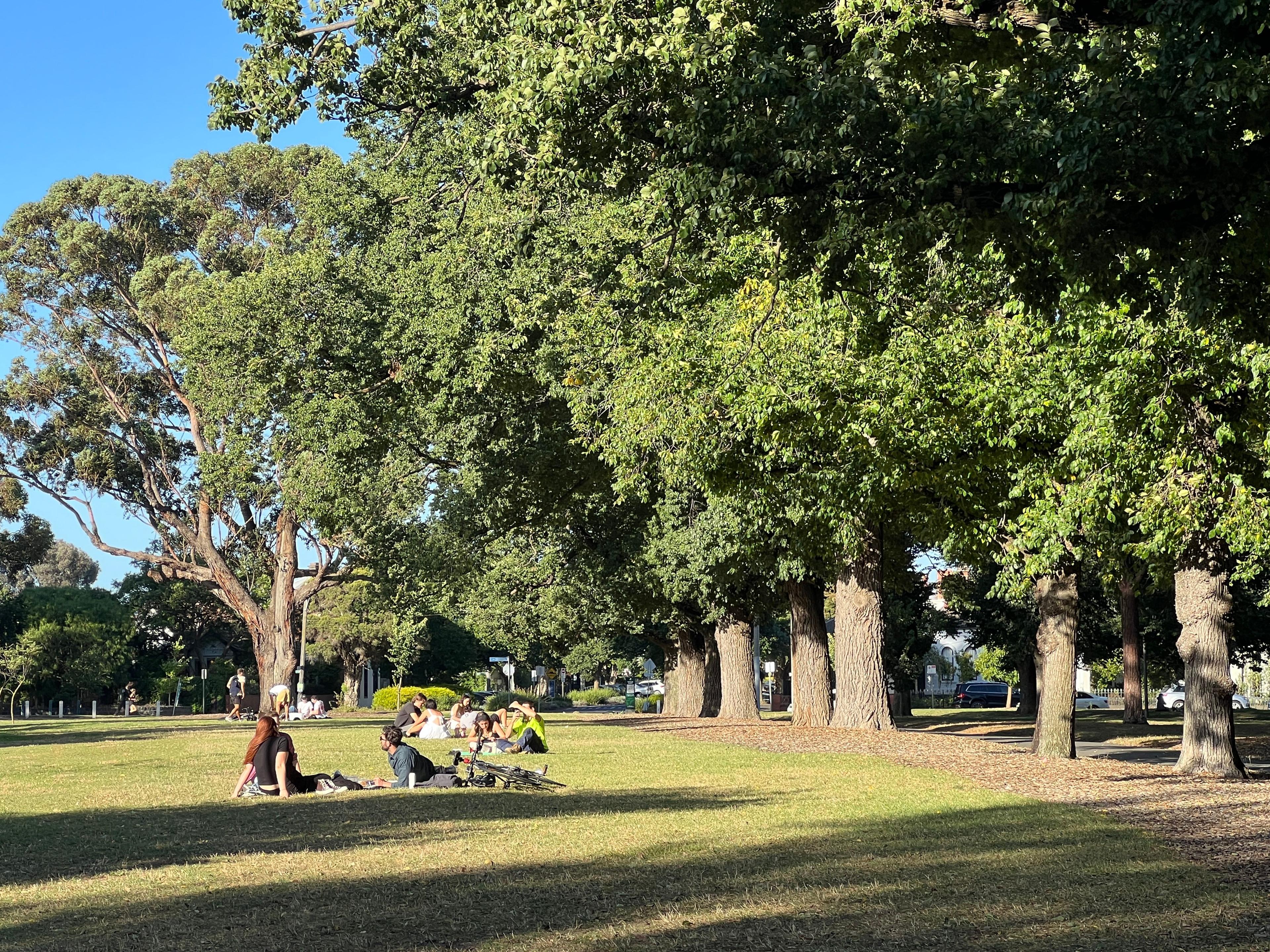
Year 5-6 students will understand how plants cool spaces and support wildlife and use this information to design a garden using local native or culturally significant plants.
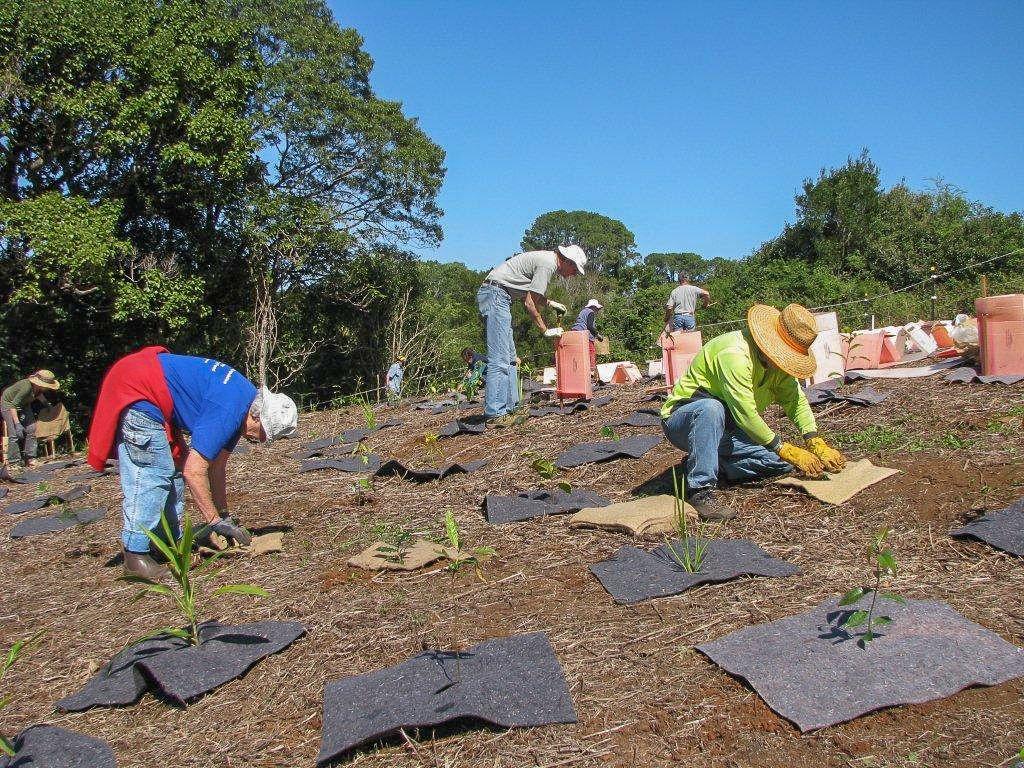
Year 5-6 students will explore how people influence their local environments and design practical solutions to help local environmental organisations address conservation challenges.
Year 5-6 students will learn how people can influence their environment by identifying organisations that help to support and influence biodiversity in their local area.
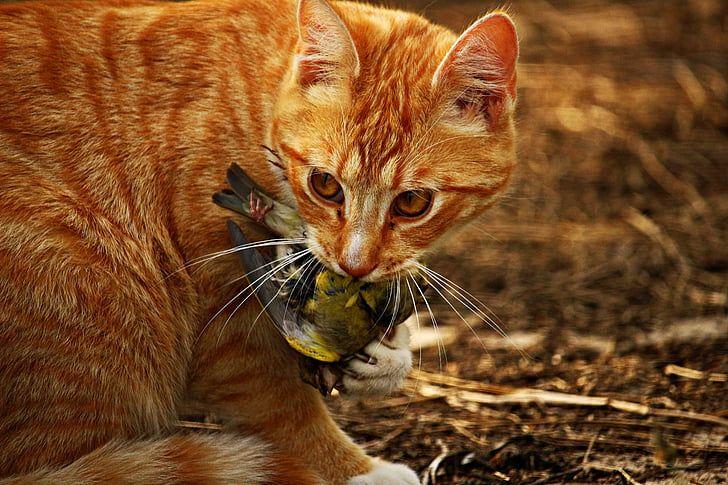
Year 5-6 students will examine how living things adapt to survive in human environments by investigating the types of plants or animals that co-exist within their community, and the things that can impact their survival.
Year 3-4 students will audit their school to identify features that help or harm wildlife, explore how everyday activities affect habitats and food chains, and work together to design a local Wildlife Improvement Plan.
Year 3-4 students will research local threats to biodiversity in their area and present possible solutions to eliminating the threats by creating a piece of media for a target audience.
Year 3-4 students will examine how both positive and negative messages about biodiversity are conveyed by analysing a variety of informative texts and identifying the language features used.
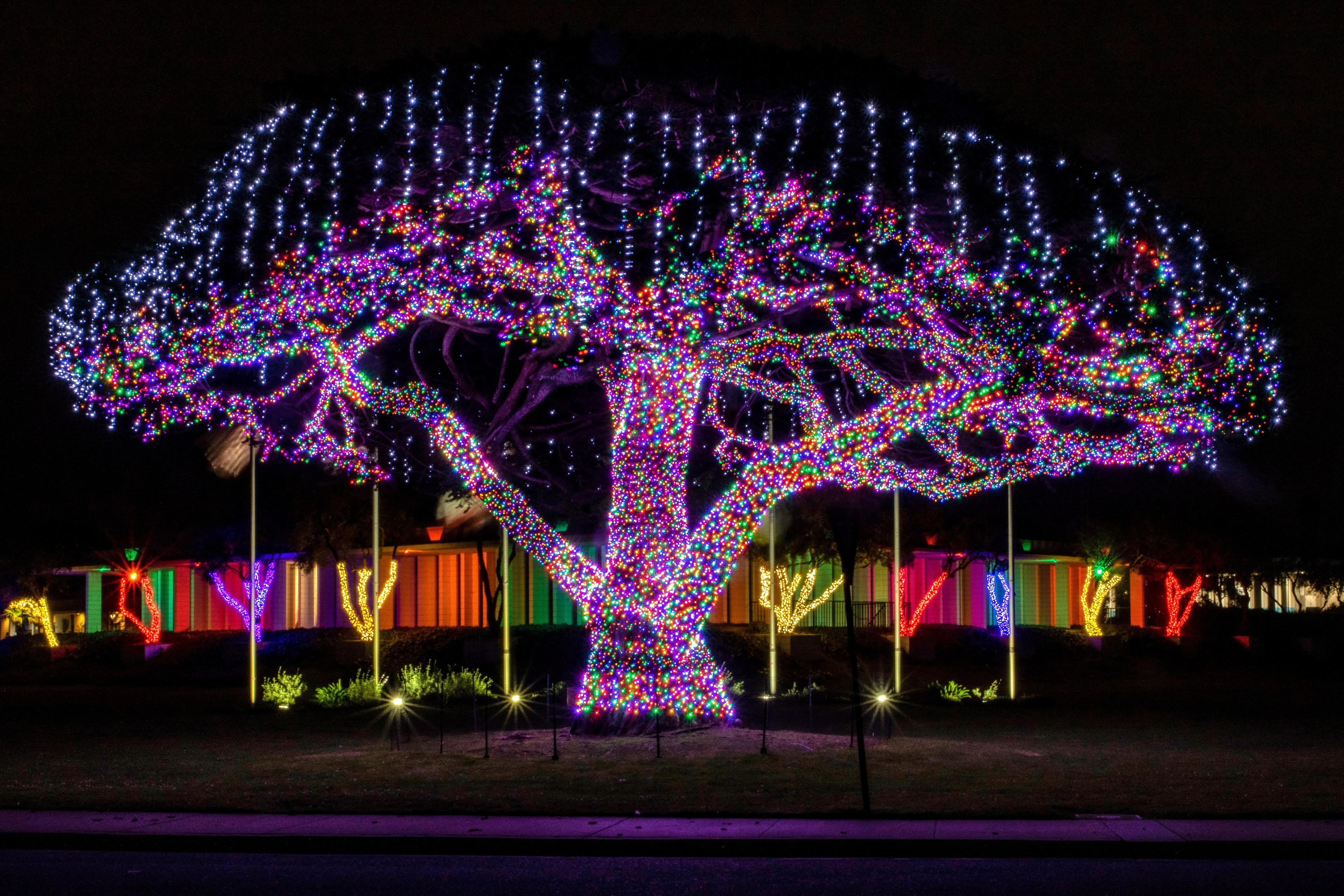
Foundation to Year 2 students will learn how to manage features of their environment by identifying sources of excess light within their community and planning ways to reduce this light.
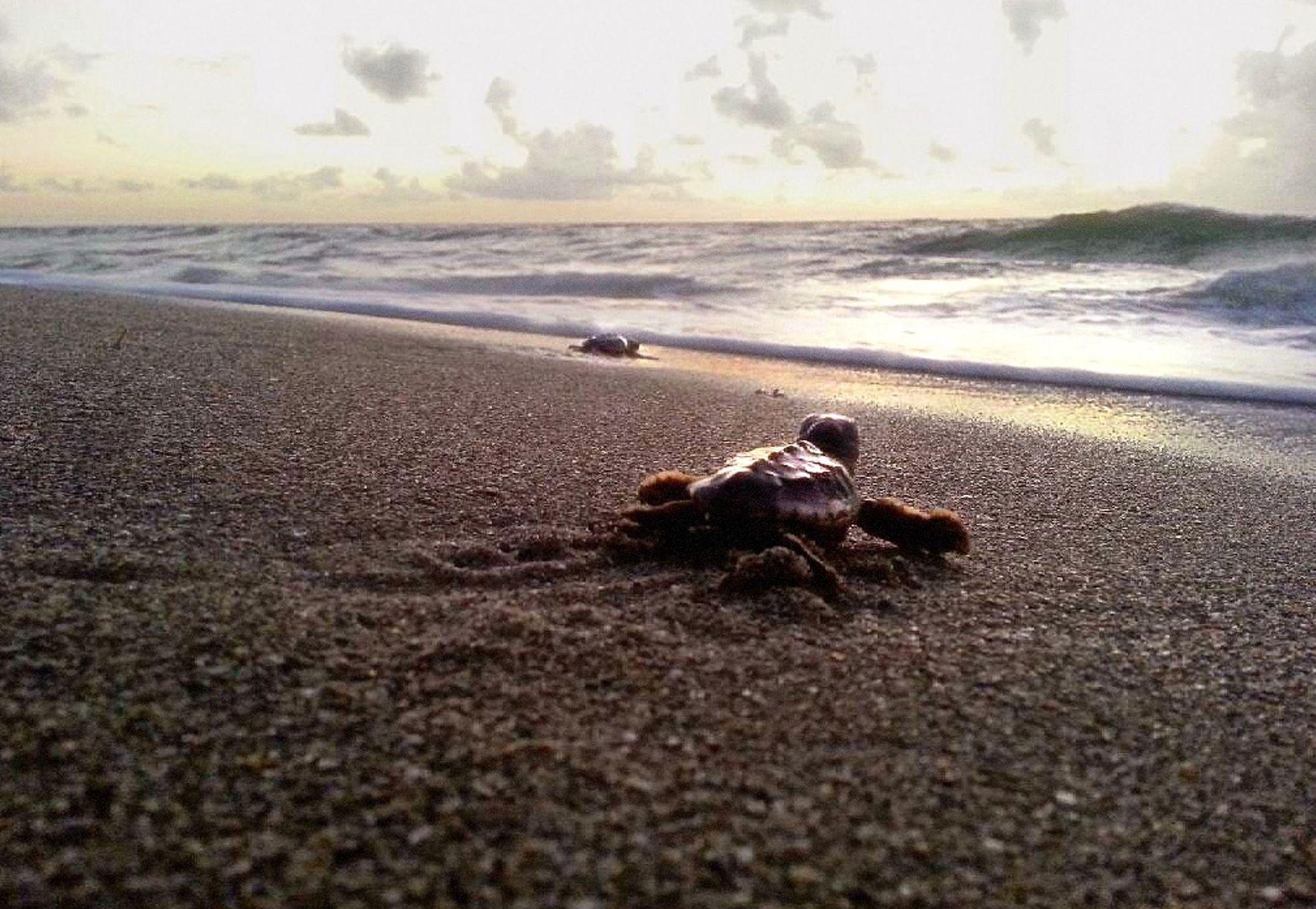
Foundation to Year 2 students will learn how light pollution affects nocturnal animals and their local habitats by creating a communication piece based on information they have viewed and read.